
In the past few months, Ozemfit has exploded across social media feeds, appearing in countless ads that promise “dramatic weight loss” through what they call a Japanese pink salt recipe. The marketing claims sound almost magical, lose up to 30 pounds in a few weeks, with no exercise or diet changes. Supposedly, the method is backed by Harvard, inspired by Japanese traditions, and loved by celebrities.
But once you take a closer look, the entire Ozemfit campaign starts to crumble. Behind the glossy ads lies a web of misleading tactics, fake endorsements, and emotional manipulation, all designed to get people to pull out their credit cards fast.
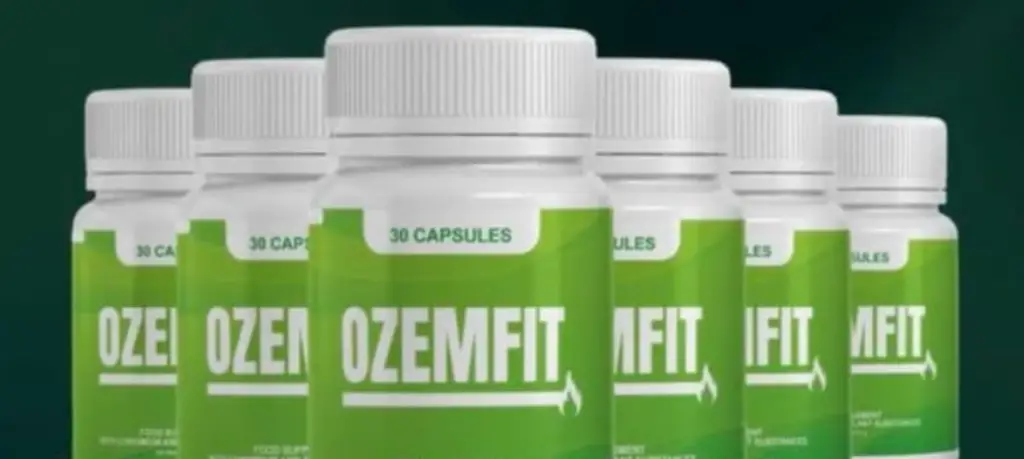
What Ozemfit Claims to Be
Ozemfit is marketed as a natural weight loss supplement that works by “activating dormant fat-burning cells” in your body. According to their ads, it’s made with a “rare pink salt extract” that melts fat effortlessly, boosts metabolism, and eliminates bloating.
Sounds too good to be true, right? That’s because it is.
There’s no clinical study, no scientific journal, and certainly no “Harvard” research to back up any of these claims. The so-called Japanese pink salt recipe is nothing more than a marketing hook, a catchy story designed to make the product sound exotic and trustworthy.
The Scam Formula
The Ozemfit scam follows a very familiar pattern that’s been used across dozens of fake supplement brands:
- Step 1: The Clickbait Video or Headline
You’ll see an ad claiming, “Japanese scientists shocked by this pink salt breakthrough!” or “Harvard confirms fat can be melted overnight.”
These ads often feature a woman in her 50s sharing her “miracle” story, sometimes paired with stock photos or AI-generated visuals. - Step 2: Fake News Pages
Once you click the ad, it redirects you to a webpage disguised as a trusted outlet like Fox News, BBC Health, or Women’s Health Daily. Everything looks professional, logos, comment sections, even fake “editor’s picks.” But these pages are entirely fabricated. - Step 3: The Ozemfit Sales Funnel
You’re encouraged to “claim your limited-time bottle” before the offer expires. Prices aren’t clearly listed until checkout, and many users later find unexpected subscription charges on their credit cards.
No Evidence, No Transparency
A legitimate supplement brand will usually provide:
- A clear ingredient list
- Verified manufacturing details
- Clinical evidence or at least citations from scientific sources
Ozemfit does none of this. The product’s label isn’t shown clearly on the website, and there’s no mention of where it’s made or who owns the company. Even the customer testimonials appear fake, reverse image searches show many of the faces belong to stock photo models.
Real Customer Complaints
Several people online have shared similar experiences with Ozemfit:
- “I was charged twice even after cancelling.”
- “No confirmation email, no tracking number.”
- “The bottle arrived with no manufacturer details.”
- “Didn’t lose any weight, just headaches and nausea.”
These are all strong signs of a fraudulent supplement scheme rather than a legitimate health product.
RWhy Ozemfit Is Dangerous
The biggest issue with Ozemfit isn’t just the waste of money, it’s the false hope it sells. People struggling with weight loss are especially vulnerable to emotional marketing that preys on insecurities and promises effortless results. When those promises fail, it can lead to frustration, discouragement, and even health risks if the ingredients are unknown.
Avoid Ozemfit
Ozemfit isn’t a miracle formula. It’s a marketing trap built on fake stories, false celebrity endorsements, and fabricated scientific claims. There’s no real evidence it works, and plenty of red flags suggest it’s part of a wider network of supplement scams rebranded under different names every few months.
Conclusion
If you’re serious about losing weight safely, look for clinically-backed methods or consult a registered dietitian. Supplements that rely on mystery ingredients and fake “Harvard studies” are never the answer.
Check out Horsepower Scrubber I reviewed earlier.