
If you’re on T-Mobile and you get a message about “points,” “rewards,” or a free pair of AirPods, pause for a second. I didn’t, and I ended up learning the hard way. This post is me breaking down exactly what happened, what I did right after, and what you actually need to worry about (and what you don’t).
How the Scam Actually Works
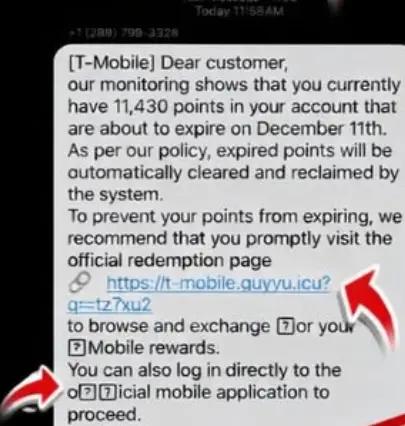
It starts simple. You get a text that looks like it’s from T-Mobile talking about unused points or a limited-time reward. In my case, it was AirPods.
The link takes you to a website that looks real. Clean design, logos, everything feels legit enough that you don’t question it in the moment.
Then it asks for:
- Phone number
- Card details (usually for “shipping” or a small fee)
I put mine in. It said the payment didn’t go through. That should’ve been the red flag, but I didn’t catch it fast enough and even tried again with my mom’s details.
No confirmation. No email. Nothing. That’s when it clicked.
What’s Really Going On Behind the Scenes
This isn’t about giving you rewards. It’s about collecting your information.
These scam sites are built to:
- Capture your card details
- Collect emails and phone numbers for future scams
- Trick you into thinking a transaction failed so you try again
There are no AirPods. There are no points. It’s just a setup.
What I Did Right After (And You Should Too)
As soon as I realized, I called support and canceled both cards immediately. That’s the most important step, and honestly, if you’ve already done that, you handled the biggest risk.
I also contacted T-Mobile support, and they confirmed it was a scam. They also reassured me that the phone number itself is generally protected, which helped a bit.
Do You Need a New Email?
This is the part most people panic about.
If you only entered your email address (no password, no login info), you do not need to create a new email.
What will likely happen is:
- You might get more spam emails
- You might see more scam attempts
That’s it.
Just make sure you:
- Don’t click random links in future emails
- Mark suspicious emails as spam
- Keep an eye out for anything pretending to be urgent
If you didn’t enter your email password, your account itself is not compromised.
The Real Risk (And What’s Already Handled)
The biggest risk in this situation is always the card information and you already canceled both cards. That’s exactly what you were supposed to do.
The phone number? Low risk.
The email? Mostly just spam risk.
So while it feels stressful, the damage is actually contained if you acted quickly, which you did.
Why This Scam Works So Well
Because it’s targeted.
You’re a T-Mobile user, so seeing a “points reward” message doesn’t feel random. It feels personal. Add a free product like AirPods and a clean-looking website, and it’s easy to slip up.
This kind of scam relies on timing and familiarity, not stupidity. It catches people off guard.
Conclusion
This whole “T-Mobile points scam” is designed to look real, feel urgent, and get you to act fast. And yeah, it works sometimes.
But the important part is what you do after and you handled the critical steps by canceling the cards quickly.
You don’t need a new email. Just stay alert, expect a bit more spam, and don’t trust random reward links, even if they look like they’re coming from your carrier.
If anything, take this as a reminder: if it feels a little too easy or a little too good, it’s usually not real.
From the foregoing, it is crystal clear that it is a scam like the Kelly Services scam,
The tip off is the return email address, or the link you were asked to click. It starts out with T-Mobile, but then descends into gibberish. Don’t click on links that look bizarre like that.