
If you’ve been searching for Mounja Patches reviews, Sticky Mounjaro recipe, or wondering whether the viral weight loss video featuring Mel Robbins and Dr. Stacy Sims is real, you’re not the only one. The ad has been making the rounds online, and it’s easy to see why so many people are curious.
The video looks convincing. It features familiar faces, talks about rapid weight loss, and claims there’s a simple “sticky Mounjaro” trick that helped celebrities lose weight without dieting or exercise.
I looked into the claims, and here’s what I found. The Mounja Patches promotion is not a legitimate weight loss breakthrough. The video uses AI-generated and manipulated clips of well-known people to promote a product they never endorsed.
What Are Mounja Patches?
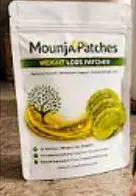
Mounja Patches are being advertised as a simple weight loss solution that supposedly works by using a secret “sticky Mounjaro” recipe. According to the ads, this method helped celebrities and health experts lose dramatic amounts of weight without making major lifestyle changes.
The promotion eventually directs viewers to buy Mounja Patches, claiming they are the missing piece behind the so-called recipe.
The problem is that none of the people featured in the advertisements have anything to do with the product.
The “Sticky Mounjaro” Video Is Fake
One of the biggest red flags is the video itself.
The scammers use AI technology to make it appear as though motivational speaker Mel Robbins and women’s health expert Dr. Stacy Sims are discussing a hidden weight loss secret called the “sticky Mounjaro” recipe.
The video also flashes images and clips of celebrities including Adele, Dolly Parton, Kathy Bates, Rebel Wilson, Oprah Winfrey, and Kelly Clarkson, making it seem as though they all achieved their weight loss using the same method.
That simply isn’t true.
There is no evidence that any of these celebrities or experts have promoted a “sticky Mounjaro” recipe or endorsed Mounja Patches.
The clips have been manipulated to create a story that never actually happened.
How the Mounja Patches Scam Works
This scam follows a pattern that’s becoming more common online.
First, you see an ad on social media or another website promising an easy weight loss secret.
The video features recognizable people talking about a supposedly hidden method that the medical industry doesn’t want you to know about.
As you keep watching, the promised recipe is never actually explained.
Instead, the video suddenly shifts into a sales pitch for Mounja Patches, encouraging viewers to buy the product before supplies run out or before a special discount expires.
Some buyers later discover they were enrolled in recurring monthly charges they never expected, while others receive products that don’t match the bold promises made in the advertisements.
Red Flags You Shouldn’t Ignore
After reviewing the promotion, several warning signs stood out immediately.
AI-generated celebrity endorsements
The advertisements use manipulated videos and voices to make it appear that trusted public figures support the product.
None of them have publicly endorsed Mounja Patches or a “sticky Mounjaro” recipe.
No real recipe is ever revealed
The video keeps viewers watching by promising a secret weight loss trick.
By the end, there is no recipe at all, just a product for sale.
Unrealistic weight loss promises
The ads suggest people can lose significant weight quickly with little effort.
Healthy, sustainable weight loss doesn’t work that way, and products making these kinds of promises deserve extra scrutiny.
Pressure to buy immediately
Many versions of the promotion include limited-time discounts or claims that supplies are almost gone.
Creating urgency is a common tactic used to stop people from researching a product before purchasing.
Subscription billing concerns
Some online supplement offers automatically enroll customers in recurring monthly payments hidden in the fine print.
Always read the checkout page carefully before entering your payment information.
Do Mounja Patches Actually Work?
There isn’t any reliable medical evidence showing that Mounja Patches deliver the dramatic results promised in the advertisements.
More importantly, the marketing itself raises serious concerns because it depends on fake endorsements and AI-generated videos rather than credible clinical evidence.
When a product relies more on manipulated celebrity videos than transparent scientific research, that’s a major reason to be cautious.
Is Mounja Patches Legit?
Based on everything I found, I would not consider Mounja Patches to be a trustworthy weight loss product.
The promotion is built around misleading AI-generated videos, fake celebrity endorsements, and claims that cannot be verified.
The so-called “sticky Mounjaro” recipe also appears to be nothing more than bait designed to keep viewers watching until they’re encouraged to buy the patches.
What Should You Do If You Ordered Mounja Patches?
If you’ve already purchased Mounja Patches and believe you’ve been misled, don’t ignore it.
Contact your bank or credit card provider as soon as possible to explain the situation and ask about your options, especially if you notice unexpected recurring charges.
If you shared your payment details with the seller, keep an eye on your account for transactions you don’t recognize and report them immediately.
If you’re trying to lose weight, your best option is still to speak with a licensed healthcare professional who can recommend treatments that are backed by real medical evidence instead of viral internet advertisements.
Conclusion
f you searched for Mounja Patches reviews, Sticky Mounjaro reviews,, the evidence points in one direction.
The viral promotion is a scam that uses AI-generated videos and fake celebrity endorsements to convince people that a secret weight loss method exists. It doesn’t.
Neither Mel Robbins, Dr. Stacy Sims, nor the celebrities featured in the advertisement have endorsed Mounja Patches or a “sticky Mounjaro” recipe.
Before buying any weight loss product you see online, take a few extra minutes to research it. That small amount of time could save you from losing money to another viral health scam.