
When your electricity bill keeps climbing, it’s easy to believe there’s a simple fix. That’s exactly why products like Power Plug Pro keep getting attention. The ads promise that you can plug a small device into your wall outlet and instantly reduce your electricity bill without changing how you use power. It sounds like an easy win, and that’s what caught my attention too.
Before buying one, I decided to look past the flashy ads and glowing reviews. After digging into the website, customer complaints, and how these products are marketed, I came to one conclusion.
Power Plug Pro is not a legitimate energy-saving device, and I would not recommend buying it.
What Is Power Plug Pro?
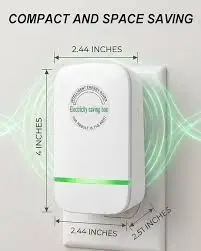
Power Plug Pro is advertised as an electricity-saving device that supposedly stabilizes your home’s electrical current, reduces wasted energy, and lowers your monthly utility bills.
According to the marketing, all you have to do is plug it into a wall outlet and let it work. Some advertisements even claim you can cut your electricity bill by as much as 50% or more without changing any of your daily habits.
If that sounds too good to be true, that’s because it is.
Does Power Plug Pro Really Work?
Based on everything I found, no.
There is no credible evidence that this little plug-in device can reduce the amount of electricity your home uses. Your electric bill is based on how much power your appliances actually consume. Simply plugging in a small plastic device cannot magically make your air conditioner, refrigerator, washing machine, or other appliances use less electricity.
In fact, this type of product has been circulating online for years under different names. If you’ve heard of Stop Watt, Miracle Watt, VoltBox, or similar “energy saver” devices, you’ve already seen this same scam with different branding.
The product changes names, but the sales pitch stays exactly the same.
The Fake Reviews Were My First Red Flag
One thing that immediately stood out was the so-called customer reviews.
The website displayed what looked like a Trustpilot score of 4.7 out of 5, complete with familiar-looking stars designed to make visitors think the rating came from Trustpilot.
It doesn’t.
The score appears to be completely made up and is only there to convince shoppers that thousands of happy customers have already tested the product.
Whenever I see a company creating fake review scores instead of linking to genuine review platforms, that’s a major warning sign.
The Hidden Monthly Charges Are Even Worse
The biggest problem isn’t even the device itself.
It’s the subscription.
During my research, I found reports that buyers were unknowingly enrolled in a recurring membership that charged $49.99 every month after placing an order.
That’s the part many people never expect.
You think you’re paying for one inexpensive gadget, but hidden somewhere in the checkout process is an agreement that can lead to recurring charges on your credit card.
Those monthly fees can end up costing far more than the original purchase price.
The Device Doesn’t Even Match the Name
Another thing I noticed was that the actual product often doesn’t even say “Power Plug Pro.”
Instead, it appears to be one of the many generic electronic devices that are mass-produced and sold under different names.
The marketers simply create a new brand, build a professional-looking website, and start advertising it as the latest breakthrough in energy savings.
The device usually lights up with a green LED, which gives the impression that it’s doing something important.
In reality, the green light is about the only thing it consistently does.
Fake Celebrity Endorsements Keep Appearing
Over the years, these energy saver scams have repeatedly used fake endorsements from well-known public figures, including Elon Musk.
The advertisements often imply that famous entrepreneurs or engineers support the product when they have absolutely no connection to it.
These fake endorsements are simply another way to build trust and encourage people to buy before they have time to research the product.
Why This Scam Keeps Coming Back
One thing I found interesting is that these scams seem to return whenever electricity bills start rising.
During the hottest months of summer, when air conditioners are running nonstop, or during winter when heating costs increase, more people start searching for ways to save money.
That’s exactly when scammers begin heavily advertising products like Power Plug Pro.
They know people are looking for solutions, and they take advantage of that.
Can You Actually Reduce Your Electricity Bill?
Yes, but not with a plug-in gadget.
If your goal is to lower your energy costs, there are real ways to do it:
- Use energy-efficient appliances.
- Turn off electronics you’re not using.
- Replace old light bulbs with LED bulbs.
- Improve your home’s insulation.
- Adjust your thermostat when possible.
- Ask your utility company whether they offer lower-cost usage plans.
These methods may require a little effort, but they’re backed by real savings instead of marketing hype.
Is Power Plug Pro Legit?
After looking into the claims, the fake review scores, the misleading advertising, and the hidden subscription charges, I don’t believe Power Plug Pro is a legitimate product.
The promises simply don’t match reality, and there is no reliable evidence that this device lowers electricity bills the way it’s advertised.
What concerns me even more are the reports of hidden monthly charges. A product that quietly signs customers up for recurring fees raises much bigger concerns than whether the device works.
Conclusion
My advice is simple: skip Power Plug Pro altogether. If you’ve already ordered one, keep a close eye on your bank or credit card statements for unexpected recurring charges. If you notice unauthorized billing, contact your card issuer immediately to dispute the charges and cancel the subscription. You should also report the incident to the FBI Internet Crime Complaint Center (IC3) if you believe you’ve been the victim of online fraud.
At the end of the day, there isn’t a magic plug that cuts your electricity bill in half. The only proven way to save money on energy is to reduce the amount of electricity you actually use, not to rely on a gadget making promises that sound far better than reality.