
Fuel prices have a way of making almost every driver look for ways to save money. So when I started seeing ads for the Eco Fuel Saver claiming it could improve gas mileage just by plugging a small device into a car’s OBD2 port, I understood why people were interested. The promise sounded simple: spend a little now and save hundreds on fuel later.
But after taking a closer look at how the product is marketed, the claims being made, and the people behind the advertisements, I quickly realized this wasn’t the fuel-saving breakthrough it claimed to be.
If you’re searching for an honest Eco Fuel Saver review before buying, here’s what I found.
What Is Eco Fuel Saver?
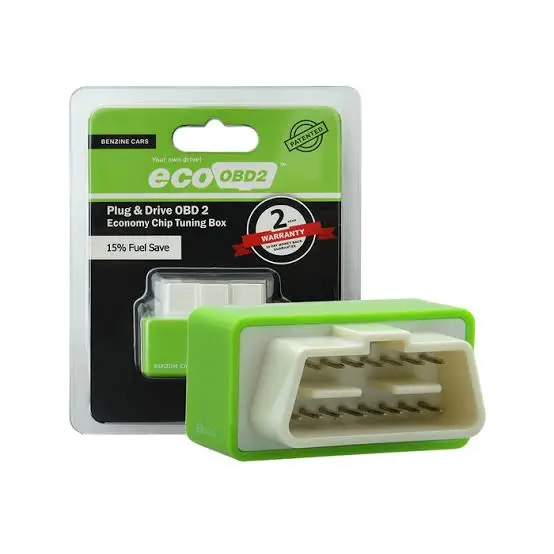
Eco Fuel Saver is advertised as a small device that plugs into your vehicle’s OBD2 port, which is usually located beneath the steering wheel. According to the sales page, the device learns your driving habits, optimizes your engine’s performance, and reduces fuel consumption without affecting power or reliability.
It sounds impressive, but that’s where the problem begins.
The website makes it seem like this tiny gadget can change how your vehicle uses fuel simply by being plugged in. Unfortunately, that’s not how modern vehicles work.
Does Eco Fuel Saver Really Work?
Based on everything I found, no.
There is no credible evidence that plugging a generic device into your car’s OBD2 port can magically improve fuel economy while keeping your vehicle running exactly the same.
The OBD2 port is primarily designed for diagnostics. Mechanics use it to read error codes, monitor engine data, and troubleshoot problems. Simply plugging in an inexpensive device does not rewrite your engine’s programming or create significant fuel savings.
If a product claims you can lower your gas bill without changing your driving habits, maintaining your vehicle, or making any mechanical upgrades, it’s worth questioning those claims.
In this case, the promises simply don’t match reality.
The TikTok Ad Was My First Red Flag
I first came across Eco Fuel Saver through a TikTok advertisement that led to a website called saveenergyfix.com.
The video confidently claimed the device had helped thousands of drivers reduce fuel costs. It was polished, convincing, and designed to create urgency.
The more I watched, though, the more things didn’t add up.
The presentation relied on bold promises but offered no independent testing, no verifiable engineering data, and no credible evidence that the device actually delivers the advertised results.
The “Inventor” Doesn’t Appear to Be Real
One detail immediately caught my attention.
The promotional video featured a man introduced as Markus Reeves, who was presented as the creator of Eco Fuel Saver.
After looking into it, I found no evidence that this engineer actually exists or developed the product.
Instead, the person shown appears to be either an AI-generated character or a deepfake designed to make the story seem more believable.
Unfortunately, fake experts and AI-generated spokespersons have become increasingly common in online product scams. Seeing an “inventor” in a video doesn’t automatically mean the person is real.
The Company Address Raises More Questions
Another thing that stood out was the company information listed on the website.
The site displayed the following address:
Emerson Electric Co.
8000 W Florissant Ave.
P.O. Box 4100
St. Louis, MO 63136
At first glance, that might make the business look established.
The problem is that this address belongs to Emerson Electric Co., a legitimate engineering and technology company that has been operating since 1890.
There is no connection between Emerson Electric and Eco Fuel Saver.
Using another company’s address is a major warning sign and can easily mislead shoppers into believing they’re buying from a trusted manufacturer.
It Looks Like Another Rebranded Gadget
After comparing Eco Fuel Saver with similar products sold online over the past few years, the device appears to be another generic OBD2 gadget that’s simply been given a new name and fresh marketing.
Scammers often buy inexpensive electronic devices in bulk, create a professional-looking website, invent a brand story, and advertise the product as revolutionary technology.
The branding changes.
The promises stay exactly the same.
Watch Out for Hidden Subscription Charges
Even if you’re only expecting to make a one-time purchase, it’s important to read every part of the checkout process carefully.
Other websites selling similar products have been linked to hidden monthly subscriptions, recurring charges, and money-back guarantees that customers say were never honored.
While every website may not operate exactly the same way, recurring billing has become a common complaint with products marketed like Eco Fuel Saver.
Before entering your payment information, double-check whether you’re agreeing to a subscription instead of a single purchase.
Are the Positive Eco Fuel Saver Reviews Real?
I would be careful about trusting every glowing review you find online.
Many websites promoting Eco Fuel Saver only highlight positive testimonials without offering any independent verification. Some reviews use stock photos, generic names, or vague stories that don’t provide much confidence that they came from real customers.
Whenever every review sounds almost identical and there’s little evidence of verified buyers, it’s worth doing additional research before spending your money.
Is Eco Fuel Saver a Scam?
After looking into the marketing, the unrealistic fuel-saving claims, the questionable company information, and the use of what appears to be an AI-generated spokesperson, I don’t believe Eco Fuel Saver is a legitimate product.
There is no credible evidence that plugging this device into your car will noticeably improve fuel economy, and the advertising relies on claims that simply aren’t supported by how modern vehicles operate.
Conclusion
My advice is to skip Eco Fuel Saver. If you’ve already placed an order, monitor your bank or credit card statements closely for unexpected charges, especially if the website mentioned subscriptions or trial offers. If you notice unauthorized billing, contact your payment provider immediately.
Saving money on fuel is absolutely possible, but it comes from practical steps like keeping your tires properly inflated, following your vehicle’s maintenance schedule, driving smoothly, and avoiding unnecessary idling. Those methods may not sound as exciting as a miracle gadget, but they’re backed by real results instead of marketing promises.
Just like Fuelsync, it does not work as claim.