
It seems like every week there’s another male enhancement supplement going viral online. This time, it’s Vapofil. If you’ve been scrolling through TikTok, Facebook, or other social media platforms, you’ve probably seen videos claiming that one simple “honey trick” can dramatically improve male performance in just days.
The videos look convincing. Famous celebrities appear to recommend the product, and some even make it sound like doctors have been hiding this secret for years. The problem however is, none of it is real.
If you’re searching for an honest Vapofil review, here’s what I found after looking into the product and its marketing.
What Is Vapofil?
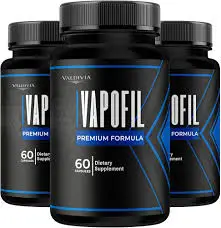
Vapofil is marketed as a male enhancement supplement that’s sold in pill or gummy form. The product claims it can improve male performance, boost stamina, increase confidence, and support overall sexual health using a natural formula.
Like many supplements in this category, the sales pages rely on bold promises and emotional marketing designed to convince buyers that they’ve finally discovered the solution they’ve been looking for. Unfortunately, the advertising raises far more questions than the product itself.
Vapofil Review
The first thing that caught my attention wasn’t the ingredient list. It was the advertising. Instead of focusing on scientific evidence or explaining how the supplement actually works, many Vapofil promotions rely on dramatic videos featuring celebrities who supposedly recommend the product. The problem is that these endorsements are fake.
The Celebrity Videos Are AI-Generated
One of the biggest red flags surrounding Vapofil is the use of AI-generated celebrity videos.
Scam advertisements have falsely portrayed celebrities including:
- Leonardo DiCaprio
- Sydney Sweeney
- Anya Taylor-Joy
- Mia Khalifa
- Bill Gates
- Jason Statham
- Tom Cruise
- Sylvester Stallone
- Joe Rogan
These videos are not genuine endorsements. They’ve been created using artificial intelligence to make it appear as though these well-known figures are recommending Vapofil. There is no credible evidence that any of these celebrities have promoted, used, or partnered with the product. Using fake celebrity endorsements is a common tactic in online supplement scams because familiar faces make people more likely to trust what they’re seeing.
The “Honey Trick” Isn’t Real
Another major selling point is the so-called “Honey Trick.” The advertisements suggest there’s a special honey-based method that dramatically improves male performance when combined with Vapofil. Despite how convincing the videos sound, there is no reliable medical evidence supporting the existence of this miracle “Honey Trick.” It’s simply another marketing hook designed to grab attention and encourage impulse purchases. Whenever a product claims there’s a secret method doctors don’t want you to know about, it’s worth slowing down and asking for actual scientific proof.
No Real Medical Endorsements
Many Vapofil advertisements also try to create credibility by suggesting that doctors, hospitals, universities, or medical researchers support the supplement. I couldn’t find reliable evidence supporting those claims. As far as publicly available information shows, no major medical organization, university, or recognized healthcare institution has endorsed Vapofil as a proven treatment for male performance issues. That’s an important distinction because marketing language often makes products sound medically approved when they aren’t.
What About the Ingredients?
Like many dietary supplements, Vapofil may contain ingredients commonly found in male wellness products. Even if some individual ingredients have been studied, that doesn’t automatically prove the finished supplement delivers the dramatic results shown in the advertisements. Strong marketing claims require strong clinical evidence. At the moment, I couldn’t find publicly available clinical studies demonstrating that Vapofil itself produces the extraordinary results being advertised.
The Risk of Subscription Traps
Another concern involves how some of these supplement offers are sold. Products promoted through aggressive online advertisements sometimes include recurring billing programs buried in the checkout process. Some customers report being enrolled in monthly subscription plans without fully realizing it. Others say they struggled to obtain refunds despite money-back guarantees advertised on the sales pages. This doesn’t necessarily happen with every order, but it’s something buyers should carefully watch for before completing a purchase. Always read the checkout page closely and look for any recurring payment terms before entering your card details.
Upselling After You Buy
Some buyers also report receiving phone calls after placing an order. Instead of simply confirming the purchase, the callers attempt to sell additional supplements or larger packages by claiming they’ll produce even better results. High-pressure upselling is another warning sign that the focus may be more on maximizing sales than helping customers.
Red Flags I Found
While researching Vapofil, these warning signs stood out the most:
- AI-generated celebrity endorsement videos.
- Fake claims linking celebrities to the product.
- The “Honey Trick” marketing story isn’t supported by reliable evidence.
- No verified medical endorsements from hospitals or universities.
- Big promises without strong product-specific clinical research.
- Reports of recurring subscription billing and refund issues.
- Aggressive upselling after purchase.
Is Vapofil Legit?
Based on everything I found, I’d be very cautious. My biggest concern isn’t simply the supplement itself, It’s the way it’s being promoted. When a product relies on fake AI celebrity videos, unsupported medical claims, and sensational stories instead of solid scientific evidence, it becomes difficult to trust the marketing. If a company truly had a breakthrough product, it shouldn’t need fabricated endorsements to convince people to buy it.
Conclusion
The use of AI-generated celebrity videos featuring famous names like Leonardo DiCaprio, Tom Cruise, Joe Rogan, and others is misleading. The so-called “Honey Trick” has no reliable scientific support, and I couldn’t find credible evidence showing that Vapofil delivers the dramatic results promised in its advertisements.
Before spending money on Vapofil, take the time to research the product beyond social media videos. If you’ve already purchased it and notice unauthorized recurring charges or have trouble obtaining a refund, contact your bank or credit card provider as soon as possible and review your statements carefully. When it comes to supplements that rely more on viral marketing than verifiable evidence, a healthy dose of skepticism can save you both money and frustration.
Check out Horsepower Scrubber I reviewed earlier.