
A bottle of pills promising to cure Alzheimer’s and dementia is the kind of claim that deserves a very close look. That is exactly what caught my attention with MemoFix. The product is being promoted online as a memory supplement, but the sales presentation goes much further by connecting MemoFix with a supposed “morning memory elixir” made with honey, cinnamon, and a mysterious brown ingredient. The way the offer is presented can make it look like doctors and well-known public figures have discovered a simple solution for serious memory problems. That impression is misleading.
After looking into the MemoFix offer and the way it is being advertised, I would not consider MemoFix a legitimate Alzheimer’s or dementia cure. The marketing relies heavily on dramatic health claims, misleading videos, and unauthorized AI-generated depictions of famous people. There are also serious concerns about what happens when customers reach the checkout page, including unexpected charges, recurring payments, upsells, and problems with the advertised money-back guarantee.
So, if you are searching for MemoFix reviews, here is what you should know before spending your money.
What Is MemoFix?
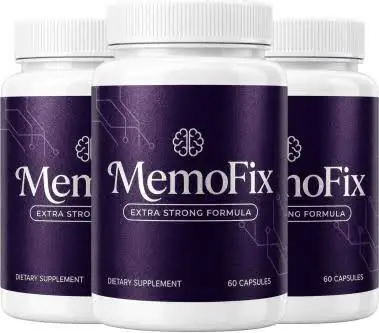
MemoFix is presented as a supplement supposedly designed to support memory and cognitive health. However, the advertising surrounding the product makes claims that go well beyond what I would expect from an ordinary dietary supplement. The sales pitch suggests that MemoFix can help with serious conditions such as Alzheimer’s disease and dementia.
That is where I would immediately slow down.
Alzheimer’s disease and dementia are serious medical conditions, and a supplement should not be promoted as a cure without strong scientific evidence and appropriate medical approval. A product claiming to reverse or cure these conditions with a simple supplement or kitchen recipe is a major red flag. The MemoFix presentation also promotes what it calls a “morning memory elixir.” The recipe reportedly involves honey, cinnamon, and another brown-colored ingredient. The presentation makes the mixture sound like a hidden discovery that people have supposedly been kept from knowing about.
That type of storytelling is common in online supplement scams because it creates curiosity and gives viewers the feeling that they are being let in on a secret.
How the MemoFix Scam Works
The MemoFix advertising does not necessarily begin with someone actively searching for the product. Instead, short advertisements can appear in places such as mobile games, social media feeds, and around online news content.
Someone may see an advertisement suggesting that researchers have discovered an unusual way to improve memory. Clicking the ad takes the person to a much longer sales video.
This is important because the short advertisement gets the viewer interested, while the lengthy video does most of the selling. Instead of simply explaining what is inside the MemoFix bottle, the presentation builds an elaborate story around memory loss, aging, Alzheimer’s disease, and a supposedly overlooked natural remedy. The longer someone watches, the more convincing the presentation may seem. That is often how these offers work. They don’t simply say, “Buy these pills.” They create a story first and introduce the product later.
The Fake Celebrity and Doctor Endorsements
One of the biggest red flags surrounding the MemoFix presentation is the use of unauthorized AI depictions of recognizable people.
The video reportedly includes AI-generated versions of Meryl Streep, Dr. Yoshinori Ohsumi, Steve Martin, Jamie Lee Curtis, Jane Pauley, Bill Gates, and other well-known figures. Their images are used in a way that can make viewers believe these people are connected to the memory treatment being promoted.
They are not. There is no legitimate endorsement from these celebrities, doctors, universities, hospitals, or other respected medical organizations supporting MemoFix as an Alzheimer’s or dementia cure.
Using an AI-generated version of a famous person to make a health product appear trustworthy is especially troubling. A person watching the video quickly might assume that a recognizable face appearing in the presentation means that the individual actually supports the product.
It doesn’t.
Seeing a famous person in a video is not proof that they endorsed the product, especially when the footage has been digitally created or manipulated.
What About the Honey and Cinnamon Memory Recipe?
The “morning memory elixir” is another major part of the MemoFix story. The presentation promotes a recipe involving honey, cinnamon, and a mysterious brown ingredient, suggesting that this combination can have remarkable effects on memory.
There is nothing wrong with discussing foods or ingredients that may be part of a healthy diet. The problem begins when a simple mixture is presented as a secret treatment for Alzheimer’s disease or dementia.
There is no reason to believe that making a honey-and-cinnamon drink suddenly provides a cure for Alzheimer’s disease. People dealing with memory problems should be especially careful with claims like this because delaying proper medical evaluation can have serious consequences.
The recipe is mainly being used as part of the sales story. It gives the presentation something memorable to talk about before the MemoFix pills are introduced.
Are MemoFix Pills Legit?
Based on the marketing tactics described above, I would not treat MemoFix as a legitimate Alzheimer’s or dementia cure.
The biggest issue is not simply whether the bottle contains supplements. The problem is the way the product is being sold. Claims about curing serious diseases, fake-looking celebrity endorsements, AI-generated depictions of public figures, secret recipes, and dramatic health promises are all warning signs.
A legitimate health product should not need to trick people into believing that famous doctors, celebrities, or news personalities support it. And if a supplement actually cured Alzheimer’s disease or dementia, that would be an enormous medical breakthrough. It would not be something quietly sold through random advertisements and a lengthy online sales video.
MemoFix Reviews and Customer Complaints
Another area I would be careful about is the checkout process.
After watching the sales presentation, consumers may eventually be sent to a page where they can purchase MemoFix. The price shown during the presentation may not always be the final amount a customer ends up paying.
There are reports and warnings associated with this type of offer involving unexpected charges, recurring monthly fees, and additional supplement sales. Some customers may also receive phone calls after placing an order, with representatives attempting to sell them other products. That can turn what looked like a relatively inexpensive purchase into a much more expensive experience.
Before entering your card information, always read the checkout page carefully. Look for terms relating to subscriptions, monthly shipments, additional products, shipping charges, and cancellation policies. Don’t assume that a low price mentioned in a video is the amount you will ultimately be charged.
Be Careful With the MemoFix Money-Back Guarantee
The money-back guarantee is another thing that deserves attention.
Sales presentations for these types of products can make the guarantee sound very reassuring, sometimes suggesting that customers are protected by a 100% money-back guarantee. But the actual refund experience can be very different.
In some cases involving aggressive supplement offers, customers who try to get their money back may discover that the company only offers a partial refund, such as 50%, rather than returning the full amount they expected.
That is why I would never rely on a big “100% money-back guarantee” statement alone. Read the actual terms before purchasing and keep copies of your order confirmation, receipts, emails, and any communication with the company.
Why the MemoFix Advertising Is a Red Flag
When I put all of the pieces together, the biggest concern isn’t just the MemoFix bottle itself. It’s the entire sales strategy surrounding it.
You have a dramatic story about Alzheimer’s and dementia, a supposedly secret morning drink, mysterious ingredients, famous people appearing through unauthorized AI depictions, claims involving doctors and researchers, and then a sales page where customers are asked for their payment information.
That is a lot of warning signs in one offer. A real treatment for Alzheimer’s disease would be supported by credible medical research and would not depend on fake celebrity appearances to convince people to buy it.
What I Think About The Memofix
MemoFix is not something I would recommend buying as an Alzheimer’s or dementia treatment. The claims surrounding the product are far too serious to accept based on an online sales video, especially when the presentation uses unauthorized AI depictions of famous people and suggests that a simple supplement or honey-based recipe can solve major memory problems.
If you came across a MemoFix advertisement and wondered whether the celebrities shown in the video really support the product, the answer is no. There is no legitimate endorsement from Meryl Streep, Steve Martin, Jamie Lee Curtis, Jane Pauley, Bill Gates, Dr. Yoshinori Ohsumi, or the other recognizable people reportedly shown in the presentation.
The checkout process is another reason to be cautious. Unexpected charges, recurring subscriptions, aggressive upsells, and difficulties obtaining the promised refund can make the purchase much more expensive than it first appears.
Conclusion
So, before buying MemoFix pills, I would strongly recommend stepping away from the sales video and looking at the claims objectively. MemoFix is not a proven cure for Alzheimer’s disease or dementia, and the marketing tactics surrounding the product contain enough red flags that I would avoid the offer.
If you or someone you care about is experiencing memory problems, it is much safer to speak with a qualified healthcare professional rather than relying on an internet supplement promising a miracle cure.
Check out the Beplain Cleansing Oil that I reviewed earlier.