Saving money at the gas pump sounds great right now, which is probably why products like Fuel Sync are so easy to market. A small device that plugs into your car’s cigarette lighter and supposedly improves gas mileage sounds like a cheap and simple way to cut fuel costs.
But when I looked closer at the Fuel Sync gas saver claims, the story became much less convincing.
Fuel Sync is promoted through online and TikTok ads as a fuel-saving device that supposedly uses “electromagnetic waves” to improve your vehicle’s fuel efficiency. The idea is that you plug the little device into your car and somehow get better gas mileage without changing the way you drive.
That sounds impressive, but there is a problem: there is no good reason to believe this device can actually lower your fuel consumption.
There is also a much bigger issue that potential buyers need to know about. The websites selling Fuel Sync have been associated with a hidden $49.99 monthly subscription that can be easy to miss during checkout.
So, is Fuel Sync legit? Does the Fuel Sync gas saver really work? And what is the Aviroo Home Member charge that buyers need to watch out for? Let’s take a closer look.
What Is Fuel Sync?
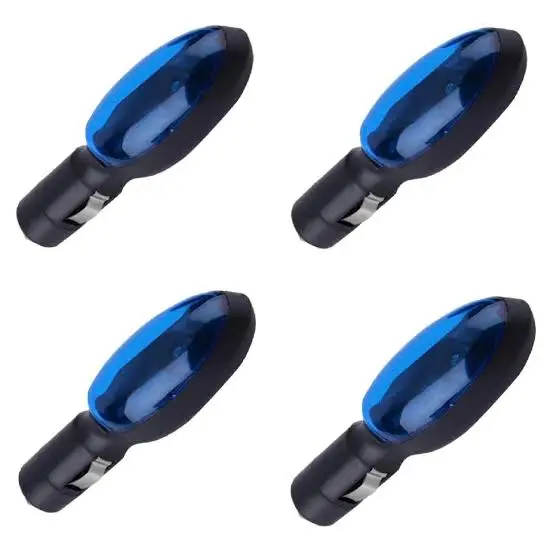
Fuel Sync is a small electronic device designed to plug into a vehicle’s 12-volt cigarette-lighter or accessory socket. The marketing makes a simple promise: plug it in, leave it running, and supposedly improve your vehicle’s fuel economy. The product is advertised as a modern fuel-saving technology that uses electromagnetic waves or similar electronic technology to somehow help your engine burn fuel more efficiently.
That is where I would start asking questions. A device that simply plugs into a power socket does not automatically have access to the engine’s fuel injection system, oxygen sensors, engine control unit, or other components that control how modern vehicles manage fuel.
So the claim that this little gadget can magically improve gas mileage deserves a very healthy dose of skepticism.
Does Fuel Sync Really Work?
In my view, no, Fuel Sync does not appear to be a legitimate gas-saving device. The marketing makes the product sound much more sophisticated than what the device actually appears to be.
Modern vehicles already use computers and sensors to control fuel delivery, ignition timing, air-to-fuel ratios, and other important parts of engine operation. Simply plugging a cheap accessory into the cigarette lighter does not mean it can override or improve all of those systems. The phrase “electromagnetic waves” also sounds scientific, but impressive-sounding terminology is not proof that a product works.
This is an important lesson when shopping online. A scam product does not always make an obviously ridiculous claim. Sometimes the marketing uses technical words that sound believable enough to make people think there must be real science behind them.
That does not make the technology real.
Why You Should Be Careful
If you search for Fuel Sync reviews, you may come across advertisements and promotional pages that make the device sound like an easy solution to high gas prices.
The problem is that promotional material is not the same as independent testing. Before believing a fuel-saving product, I would want to see reliable testing showing that vehicles actually use less fuel after installing the device.Not a TikTok video, Not a picture showing fuel prices, Actual testing.
The vehicle should be tested under controlled conditions before and after the device is installed, with the results made available for consumers to examine.
Without that kind of evidence, there is no good reason to assume that Fuel Sync can improve fuel economy.
The Fuel Sync Cigarette-Lighter Device
The physical design of Fuel Sync is another reason I would not expect much from it. The device is essentially a small plug-in gadget that goes into the vehicle’s cigarette-lighter or 12V outlet.
That type of product is easy to manufacture and inexpensive to ship. It may have flashing lights or other features that make it look like something important is happening inside the device.
But lights and electronic components do not prove that a gadget is changing how your engine operates. This is where consumers need to separate appearance from function. A product can look high-tech without actually doing anything useful.
The “Electromagnetic Waves” Fuel-Saving Claim
The phrase “electromagnetic waves” is one of the biggest selling points in the Fuel Sync advertising. It sounds scientific enough to make someone think, “There must be some advanced technology inside this thing.” But ask a simple question: what exactly is the device doing to the engine? Where is it measuring fuel consumption? How is it communicating with the engine computer? How is it changing fuel injection? What independent testing demonstrates an improvement in miles per gallon? Those are the questions that matter. If the seller cannot clearly explain how the device produces measurable fuel savings, the technical language is just marketing.
Fuel Sync and TikTok Ads
The use of TikTok and other social media platforms is another part of the marketing strategy worth paying attention to. Short videos are perfect for products like this because the advertisement can show someone plugging a small device into a car and then make a big claim about saving money on gas. There is usually not enough time in a short advertisement for the viewer to stop and ask whether the technology actually makes sense. The ad may also use dramatic claims about rising fuel prices to create urgency. That emotional connection is powerful. Nobody likes paying more at the pump, so the idea of a $20 or $30 gadget cutting fuel costs can be very tempting.
But expensive gasoline does not make an unproven device effective.
The Hidden $49.99 Monthly Subscription
The Fuel Sync product itself is not the only concern. The bigger financial warning involves the $49.99 monthly subscription associated with the checkout process. According to the information surrounding the offer, buyers can encounter an “Aviroo Home Member” option during checkout on the Solivo Home website, the problem is that this membership button does not look like the kind of obvious subscription offer most shoppers would expect to see.
That creates a serious transparency problem.
Someone may believe they are simply purchasing a fuel-saving device and fail to realize that they are also agreeing to another recurring charge. A $49.99 charge every month can quickly cost far more than the original Fuel Sync purchase.
What Is Aviroo Home Member?
Aviroo Home Member is the name buyers should watch for when checking the Fuel Sync checkout page and their bank statements. If you are purchasing Fuel Sync, do not just look at the price of the device. Read the entire checkout page carefully. Look for membership terms, recurring billing language, trial periods, and anything mentioning monthly charges. If you have already bought the product, check your bank or credit card statements for a $49.99 charge that you were not expecting.
This is one of the biggest reasons I would tell people not to rush through the checkout process.
Fuel Sync Scam Warning Signs
There are several red flags here that should make potential buyers stop and investigate before paying.
First, there are the exaggerated claims about improving gas mileage with a small cigarette-lighter device.
Then there is the technical-sounding “electromagnetic waves” explanation without convincing independent evidence that the technology actually works.
The product also appears to be a cheap gadget that can be sourced and shipped at relatively low cost, despite being marketed as an advanced fuel-saving solution.
And then there is the $49.99 monthly Aviroo Home Member subscription issue.
Put all of these things together and the offer starts looking much less like an innovative fuel-saving product and much more like an aggressive online sales funnel.
Where Is Fuel Sync Made?
Another thing that caught my attention is the apparent origin of the physical product.
The device appears to be a cheap imported gadget rather than some breakthrough American automotive technology.
There is nothing automatically wrong with a product being manufactured outside the United States. Many perfectly legitimate products are manufactured overseas.
The problem is when an inexpensive generic-looking gadget is wrapped in impressive technology claims and sold as though it contains some revolutionary fuel-saving system.
The manufacturing location alone does not prove fraud.
The unsupported claims are the bigger issue.
Can Fuel Sync Lower Your Gas Bill?
I would not count on it.
If your goal is to reduce fuel costs, there are much more realistic ways to improve fuel economy.
Keeping your tires properly inflated, avoiding unnecessary idling, maintaining your vehicle, removing unnecessary weight, driving smoothly, and keeping up with scheduled service can all make more sense than relying on a plug-in gadget promising miraculous fuel savings.
Your driving habits can also have a surprisingly large effect on how often you visit the gas station.
A cheap electronic device that claims to dramatically improve mileage without changing anything else should therefore be treated with skepticism.
What If You Already Bought Fuel Sync?
If you already ordered Fuel Sync, check your purchase confirmation and your bank or credit card statement.
Look specifically for the $49.99 recurring charge connected with the Aviroo Home Member offer.
If you discover a subscription you did not knowingly authorize, contact the company and request cancellation. Keep records of your cancellation request and any confirmation you receive.
If the charge continues or you believe you were misled, contact your bank or credit card provider and ask what options are available for disputing the transaction.
Also be careful about sales calls or additional offers after your original purchase. You do not have to agree to another product simply because someone calls you after placing an order.
Is Fuel Sync a Scam?
Based on the claims and checkout practices described above, I would avoid Fuel Sync.
The main problem is not simply that it is a cheap plug-in device. The bigger concern is that the product is promoted with claims that do not appear to have credible evidence behind them, while the purchasing process can expose buyers to an unexpected $49.99 monthly membership charge.
That combination is enough for me to consider this a product consumers should stay away from.
I would not spend money on Fuel Sync expecting it to improve my car’s fuel economy, and I would certainly not provide payment information without carefully checking every part of the checkout page.
Is Fuel Sync Legit?
So, is Fuel Sync legit?
I would say no. I would not consider the Fuel Sync gas saver a trustworthy solution for improving fuel economy.
The promise is simple: plug the device into your car and supposedly save money on gas through “electromagnetic waves.” But there is no convincing evidence that a gadget like this can deliver the fuel savings being advertised.
The bigger concern is the checkout process. Buyers need to watch carefully for the Aviroo Home Member option and the reported $49.99 monthly subscription charge. A product that costs a relatively small amount can become much more expensive if a recurring membership is attached to the purchase.
So if you are searching for Fuel Sync reviews, my advice is to save your money and avoid the offer.
Conclusion
There is nothing wrong with wanting to spend less on gasoline. Most drivers would happily take any legitimate way to improve fuel economy. But a flashing gadget plugged into your cigarette lighter is not a substitute for real automotive technology, proper vehicle maintenance, and sensible driving habits.
And if a checkout page hides a $49.99 monthly subscription behind a button that does not clearly look like a subscription, that is an even bigger reason to close the page before entering your card details.
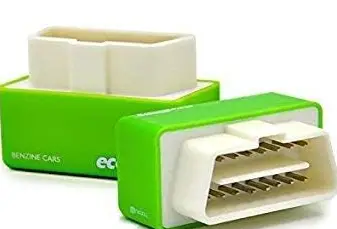
Check out Eco OBD2 Fuel Saver that I reviewed earlier.