
When a weight loss advertisement appears to show a familiar face on Fox News talking about a product, it is easy to let your guard down. The video looks like a news report, the presenter appears convincing, and the supposed expert seems to explain a simple trick that could finally make losing weight easier. That is exactly the reaction the people behind the LipoTrine Gummies promotion appear to be trying to create. What looks like a television segment featuring Melania Trump, Dr. Jennifer Ashton, Oprah Winfrey, Dr. Peter Attia and Ainsley Earhardt is not a genuine Fox News endorsement of LipoTrine Gummies. The videos are AI-generated or manipulated promotional material designed to make a weight loss product appear to have credibility that it does not actually have.
I looked into the claims surrounding LipoTrine Gummies because the advertisements don’t simply make the usual promises about losing a few pounds. They build an entire story around a supposed breakthrough weight loss method, sometimes describing it as an at-home “bariatric gelatin recipe” or a natural version of retatrutide. The presentation makes it sound as though viewers are about to discover a secret that the pharmaceutical industry or mainstream medicine doesn’t want them to know about. You are encouraged to watch the video to learn the recipe, but the promised recipe never really becomes the point. Instead, viewers are directed toward bottles of LipoTrine Gummies and a sales funnel designed to get them to place an order.
That is a very different situation from finding a legitimate weight loss supplement with a celebrity spokesperson. In this case, the celebrity connection is the bait.
Is LipoTrine Gummies a Scam?
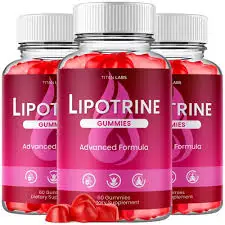
Based on the deceptive marketing described above, I would treat LipoTrine Gummies as a weight loss scam operation rather than a trustworthy celebrity-endorsed supplement. The most serious problem isn’t simply whether the gummies contain useful ingredients. It is the way the product is being promoted through fabricated or unauthorized videos involving recognizable public figures.
There is no legitimate endorsement from Melania Trump, Dr. Jennifer Ashton, Oprah Winfrey, Dr. Peter Attia or Ainsley Earhardt establishing LipoTrine Gummies as a product they recommend for weight loss. The use of their likenesses in these advertisements is intended to create the impression that a trusted public figure has personally investigated or approved the product. That impression is false.
This tactic has become increasingly common in online health advertising. Someone scrolling through Facebook, YouTube or another website may see what looks like a news clip and assume the product has been covered by a reputable television network. Once the viewer clicks through, however, the supposed news story turns into a sales page. By then, the familiar faces and television branding have already done most of the psychological work.
The Fake Fox News Story Is a Major Part of the LipoTrine Scam
The fake Fox News presentation is particularly clever because it takes advantage of something people already recognize. A conventional supplement advertisement saying “buy our gummies and lose weight” is easy to ignore. A video that appears to show a respected news program revealing a breakthrough treatment feels completely different.
The LipoTrine advertisements reportedly use AI-generated depictions of Melania Trump, Dr. Jennifer Ashton and other public figures while presenting the story as though they are discussing an extraordinary weight loss discovery. Their faces and voices are used to give the advertisement an authority that the product itself has not earned.
This is why I would not treat screenshots from these advertisements as evidence that LipoTrine Gummies appeared on Fox News. A fake television graphic, an AI-generated presenter and a convincing voiceover can be assembled surprisingly quickly. None of those things establish that a real broadcast took place.
The same applies to the supposed involvement of doctors. Seeing Dr. Jennifer Ashton or Dr. Peter Attia appear to recommend something in an online video is not the same as having an authentic statement from either physician. The source of the endorsement matters, particularly when the product is being sold as a solution for weight loss.
What Is the “Bariatric Gelatin Recipe” Supposed to Be?
One of the stranger parts of the LipoTrine Gummies marketing is the promise of an at-home “bariatric gelatin recipe.” The advertisement makes it sound as though viewers are about to discover a simple recipe that can somehow reproduce the weight loss effects associated with bariatric procedures.
That wording is designed to make the offer sound both accessible and revolutionary. You don’t need surgery, the story suggests. You don’t need an expensive treatment. You supposedly need a simple homemade ritual that can trigger dramatic weight loss from home.
But there is a problem with that narrative: the promised recipe isn’t actually the product you end up being sold.
Instead of reaching a genuine medical explanation or a clearly documented recipe with evidence behind it, the sales process ultimately pushes LipoTrine Gummies. The “secret” functions as a hook to keep people watching and clicking rather than as a meaningful treatment that can be independently evaluated.
That should make anyone pause before entering payment information.
What Does “Natural Retatrutide” Have to Do With LipoTrine?
Another phrase associated with these advertisements is “natural retatrutide.” That wording is particularly attractive to someone who has heard about the newer generation of weight loss drugs and is looking for something similar without a prescription.
The problem is that calling a supplement a “natural retatrutide” does not turn it into retatrutide. Retatrutide is an investigational drug, and describing a gummy supplement as its natural equivalent creates a very different impression from simply saying that the product contains ingredients that may support weight management.
This is an important distinction because people searching for weight loss solutions are often dealing with genuine frustration. Someone who has tried diets, exercise programs and various supplements may see the phrase “natural retatrutide” and reasonably assume they have found an alternative to a pharmaceutical treatment. The marketing takes advantage of that expectation.
There is no reason to assume that a bottle of LipoTrine Gummies can reproduce the pharmacological effects of an investigational drug simply because an advertisement uses the phrase “natural retatrutide.”
Why the Celebrity Endorsements Make This More Serious
Fake celebrity endorsements aren’t just another exaggerated advertising technique when they are being used to sell a health-related product. The entire purpose is to borrow the reputation of someone the consumer already knows.
Melania Trump doesn’t need to be a weight loss expert for her appearance in an advertisement to influence a viewer. Oprah Winfrey doesn’t need to explain the science personally for her image to make a product seem more established. Likewise, putting a doctor such as Jennifer Ashton or Peter Attia into what appears to be a television interview can make people assume the product has passed some kind of professional review.
It hasn’t.
The people appearing in these LipoTrine advertisements have not endorsed the gummies simply because an AI-generated video makes them appear to do so. The use of their likeness should therefore be viewed as part of the deceptive sales presentation rather than as evidence supporting the product.
What Happens When You Try to Buy LipoTrine Gummies?
This is where the situation can become considerably more expensive than the initial advertisement suggests.
According to reports associated with the LipoTrine promotion, consumers who provide their contact information or purchase the gummies may subsequently receive calls from sales representatives attempting to sell additional supplements. What initially looks like a straightforward purchase can turn into a much more aggressive sales process, with customers being encouraged to spend substantially more money.
The concern is particularly serious when recurring charges are involved. A person who thinks they are purchasing a one-time bottle may discover that they have been placed into a recurring order arrangement or that additional products have been added to the transaction. In some reported cases, consumers have described monthly charges reaching hundreds of dollars.
This is why the checkout page deserves just as much attention as the advertisement itself. A cheap-looking introductory offer can become very expensive if the terms are unclear or if additional products and recurring payments are attached to the purchase.
LipoTrine Refund Problems
Another complaint associated with the LipoTrine sales process involves refunds. Consumers may be offered only a partial refund, reportedly around 50%, rather than receiving the full amount they believe they are owed.
If you paid for something you did not authorize, were enrolled in recurring billing without clearly agreeing to it, or were charged an amount different from what you understood you were purchasing, accepting a partial refund isn’t necessarily the best first step.
I would keep records of the advertisement, order confirmation, emails, receipts, transaction amounts and any communication with the seller. Those records can become important if you need to explain the transaction to your bank or card issuer.
LipoTrine Gummies Customer Service Information
Some promotional material associated with LipoTrine Gummies has listed (970) 406-7582 as a customer service or support number and [email protected] as an email address. A Colorado address at 19655 E 35th Dr, Suite 100, Aurora, CO 80011, USA has also been associated with the product.
Having a phone number, email address or physical mailing address does not by itself establish that a supplement company is legitimate. Those details can be useful if you are trying to contact a seller or document a transaction, but they should not be confused with independent proof that the product is safe, effective or endorsed by the people shown in the advertisements.
For a health product making extraordinary weight loss claims, I would want to see transparent company information, verifiable scientific evidence, genuine independent customer feedback and legitimate endorsements that can be traced back to the people supposedly making them.
What Should You Do If You Bought LipoTrine Gummies?
If you already purchased LipoTrine Gummies and believe you were misled, don’t panic, but don’t ignore the transaction either. Start by saving everything connected to the purchase. Keep the order confirmation, screenshots of the advertisement, emails, receipts and records of any phone calls. If you were charged repeatedly or believe the transaction was unauthorized, contact your bank or credit card company as soon as possible and explain exactly what happened.
I would also be cautious about accepting a partial refund simply because a caller tells you that it is the only option. If you believe you were improperly charged, ask your card issuer what dispute or fraud protections are available for the transaction. Your bank or card company can explain the appropriate process based on how the payment was made.
If someone who sold you LipoTrine Gummies calls offering another supplement, I would not provide additional payment information simply because the caller already knows details from your original order. A follow-up sales call doesn’t prove that the person is authorized to handle your account.
Does LipoTrine Gummies Really Work for Weight Loss?
The marketing makes it sound as though LipoTrine Gummies are capable of producing dramatic weight loss, but the advertising itself should not be treated as scientific evidence. The fake celebrity and television endorsements are especially problematic because they create the impression that respected medical professionals have already established that the product works.
That isn’t how evidence works.
A legitimate weight loss supplement should be evaluated according to its actual ingredients, dosages, clinical evidence and safety profile. The fact that a product is packaged as gummies doesn’t make it inherently effective, and calling something a “natural” alternative to a prescription drug doesn’t establish that it produces the same results.
In the case of LipoTrine, the most prominent claims are wrapped inside an advertisement that itself is deceptive. That makes me even less comfortable treating the product’s weight loss promises as credible.
Conclusion
After looking at the way LipoTrine Gummies are being promoted, I would stay away from this offer. The fake Fox News-style videos and unauthorized AI depictions of Melania Trump, Dr. Jennifer Ashton, Oprah Winfrey, Dr. Peter Attia and Ainsley Earhardt are enough to make the marketing unacceptable to me, regardless of what is actually inside the bottle.
The “bariatric gelatin recipe” and “natural retatrutide” claims add another layer to the problem by suggesting that viewers are about to discover a revolutionary weight loss secret. Instead, the story ultimately leads back to a supplement purchase, followed in some cases by aggressive upselling and concerns about recurring charges and incomplete refunds.
So, is LipoTrine Gummies a scam? I would describe the advertising campaign as deceptive and fraudulent, particularly where it uses AI-generated or manipulated depictions of public figures to imply endorsements that don’t exist. I would not rely on the supposed Fox News segment, the celebrity appearances or the claims about “natural retatrutide” when deciding whether to buy the product.
For anyone searching online for LipoTrine Gummies reviews, the main thing to understand is that these pieces of the story are connected. The celebrity video is there to make the product look trustworthy; the secret recipe is there to make the offer sound revolutionary; and the gummies are ultimately what you are being asked to buy.
That is not the kind of weight loss product promotion I would trust with my money, and I certainly wouldn’t base a health decision on an AI-generated video pretending to be a real television interview.
Check out Mansculpt wave therapy plus that I talked about earlier.