
Tonsil stones are one of those annoying problems that can be much harder to deal with than they sound. You can feel something stuck in the back of your throat, notice a bad taste or persistent breath odor, and sometimes even see a small white lump sitting inside one of the tonsil crypts. The frustrating part is that ordinary brushing and mouthwash do not always get rid of them, which is why products designed specifically for tonsil stone removal have become so popular.
Oralis TonsilVision takes a slightly different approach from the simple metal picks and water irrigators that are usually sold for this purpose. It combines a small illuminated camera with a suction mechanism, allowing you to look at the tonsils through a smartphone-connected app while attempting to remove visible tonsil stones. The advertised price is around $79, so this is not the cheapest tonsil stone remover on the market, and naturally the question is whether having a camera and suction actually makes the extra cost worthwhile.
After looking at what Oralis TonsilVision is designed to do, I think it is an interesting idea, but I would be careful about treating it as a completely risk-free home solution. The camera could make it easier to see what you are doing, but the back of the throat is a sensitive place to be poking around, and having a better view does not automatically make tonsil stone removal safe or easy.
What Is Oralis TonsilVision?
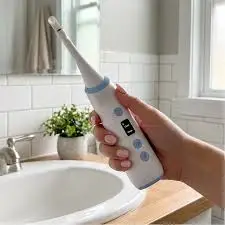
Oralis TonsilVision is a home tonsil stone removal device that combines two functions in one tool. There is an illuminated camera scope that is intended to give you a close-up view of your tonsils, while the suction component is designed to help remove visible tonsil stones from the crypts.
The smartphone connection is probably the part that will appeal to people who have struggled with traditional tonsil stone removers. Instead of trying to look into your mouth with a bathroom mirror while holding a small tool and hoping you are aiming at the right place, the idea is that you can see the area on your phone screen in real time. That can potentially make it easier to locate a stone and understand exactly where it is sitting.
The suction is also a sensible addition in theory. Tonsil stones can be surprisingly stubborn, particularly when they are tucked into deeper crypts. A tool that can gently pull a visible stone out rather than requiring you to scrape at it with a rigid object sounds more convenient.
At roughly $79, though, Oralis TonsilVision is asking buyers to pay considerably more than they would for a basic tonsil stone kit, so I would expect the camera, app and suction system to provide a meaningful improvement rather than simply making the product look more sophisticated.
How Does Oralis TonsilVision Work?
The basic idea is fairly straightforward. You connect the camera to your smartphone, use the illuminated scope to inspect the tonsil area and look for stones hiding inside the crypts. Once you identify one, the suction mechanism can be positioned over the visible stone and used to try to draw it out.
That sounds simple when explained on a product page, but anyone who has actually tried to examine their own tonsils knows that the reality can be a little different. The back of the throat is difficult to reach comfortably, your tongue gets in the way, saliva can make everything slippery and your natural gag reflex can make it difficult to keep the device in position long enough to see what you are doing.
This is probably the biggest practical issue with Oralis TonsilVision. The camera may give you a much better view, but you still have to put a device near a very sensitive part of your mouth. Some people may manage that without much trouble, while others may find themselves gagging almost immediately.
For someone who frequently gets visible tonsil stones and already feels comfortable examining their tonsils, the camera could be genuinely useful. For somebody with a strong gag reflex, however, the smartphone display may not make much difference because getting the device into the right position could be the difficult part.
Oralis TonsilVision for Tonsil Stones
The main reason anyone would consider buying this product is obviously tonsil stones. These are small deposits that form when food particles, mucus, bacteria and other debris become trapped in the folds and crypts of the tonsils. They can be tiny and barely noticeable, or large enough to cause irritation, coughing, a sensation that something is stuck in the throat and unpleasant breath.
A home tonsil stone remover can be useful when the stone is clearly visible and sitting relatively close to the surface. That is where Oralis TonsilVision’s camera could have an advantage over a basic tonsil stone pick. Being able to see the stone on a phone screen could make it easier to position the suction without blindly poking around.
I would not expect it to magically remove every tonsil stone, though. A stone that is buried deep inside a tonsil crypt is a different situation from one that is sitting near the surface. Trying repeatedly to reach a difficult stone could irritate the tonsil or cause bleeding, and that is not something I would recommend doing simply because the device gives you a magnified image.
The camera is therefore best thought of as a visibility aid rather than a guarantee that every tonsil stone can be safely removed at home.
Does Oralis TonsilVision Actually Work?
There is a reasonable idea behind Oralis TonsilVision, and I can understand why someone dealing with recurring tonsil stones would be interested in it. Seeing the tonsil on your phone while using a suction tool makes more sense to me than trying to use a sharp-looking metal instrument while staring into a mirror.
However, I would separate the usefulness of the design from the bigger claims that people may make about tonsil stone removal devices. A camera does not treat the reason you are developing tonsil stones in the first place, and removing one stone does not necessarily prevent another from forming.
The same applies to bad breath. If your breath odor is being caused by a visible tonsil stone, getting the stone out may help. But persistent bad breath can have many causes, including dental problems, gum disease, dry mouth, reflux and other conditions, so I would not buy Oralis TonsilVision expecting it to solve chronic halitosis regardless of the cause.
The most realistic expectation is much simpler: it is a tool intended to help you locate and remove visible tonsil stones yourself.
Is Oralis TonsilVision Safe?
This is the part I would take seriously before spending $79.
Anything being inserted into or held against the tonsil area needs to be used gently. Tonsils can bleed when irritated, and repeatedly pressing, scraping or suctioning the tissue can potentially cause soreness or injury. A device being marketed specifically for tonsil stones does not mean that every stone should be removed with it.
The gag reflex is another practical issue. If you start gagging while holding the device at the back of your throat, there is a risk of moving the tool unexpectedly. That is one reason I would not treat this like cleaning your teeth with an electric toothbrush. You need to be able to control the device comfortably before attempting to remove anything.
I would also avoid using a home tonsil stone remover on an area that is already very painful, swollen or actively bleeding. If you have frequent tonsil infections, significant swelling, difficulty swallowing, fever, persistent throat pain or tonsil stones that are deeply embedded and difficult to reach, seeing a doctor or ENT specialist makes more sense than repeatedly trying to dig them out yourself.
Oralis TonsilVision Price
The advertised price for Oralis TonsilVision is approximately $79, which puts it in a very different category from inexpensive tonsil stone picks and basic oral irrigators.
Whether $79 is reasonable really comes down to how much you value the camera. If you regularly get tonsil stones and find it difficult to see where they are located, the ability to inspect the tonsils on your smartphone could make the device considerably more useful than a standard remover.
If you only get an occasional small tonsil stone, however, spending around $79 may feel excessive. There are much cheaper ways to manage occasional visible stones, so I would not assume that the smartphone feature automatically makes Oralis TonsilVision the best buy.
Before ordering, I would also check the exact checkout price, shipping charges, return terms and what is included in the package. With products sold through online advertisements, the amount shown in the initial promotion is not always the complete amount you eventually pay.
What Should Buyers Look For?
When looking at Oralis TonsilVision reviews, I would pay more attention to comments about the actual device than vague statements about getting rid of bad breath or having a “cleaner throat.” The useful questions are whether the camera connects reliably, whether the image is clear enough to identify a tonsil stone, whether the suction is gentle but effective, whether the device is comfortable to hold and clean, and whether people can actually use it without triggering an unbearable gag reflex.
Those details tell you much more about whether this product is worth $79.
I would also be cautious about assuming that a handful of glowing testimonials proves that Oralis TonsilVision works for everyone. Tonsil anatomy varies considerably from person to person. Someone with large, easily visible tonsil crypts may have a completely different experience from someone whose stones are tucked deep inside the tissue.
My Take on Oralis TonsilVision
I actually like the basic concept more than I expected to. The camera solves a genuine problem with home tonsil stone removal because it is difficult to remove something you cannot properly see. Combining magnification and lighting with suction could make the process less awkward than using a traditional pick and mirror.
The $79 price is where I become less enthusiastic. This is a specialized device for a very specific problem, and the smartphone camera does not change the fact that you are still working around sensitive throat tissue. If you have a strong gag reflex or your tonsil stones are buried deeply, you may find the device frustrating even though the technology itself sounds clever.
I also would not confuse removing tonsil stones with treating the underlying reason they keep coming back. If you are constantly dealing with large stones, persistent throat problems or bad breath that does not improve after removing the stones, it is worth getting the underlying issue checked instead of simply buying a stronger removal tool.
Conclusion
So, is Oralis TonsilVision worth $79?
It could be useful for the right person, but I would not call it a must-have tonsil stone remover. The illuminated camera and smartphone connection are genuinely practical features, particularly for people who struggle to see their tonsil crypts, and the suction approach is more appealing to me than repeatedly scraping the tonsils with a hard tool.
At the same time, the product requires you to work very close to sensitive throat tissue, and a camera cannot eliminate the discomfort or gag reflex that comes with putting a device that far back in your mouth. It is also important to understand that removing a tonsil stone is not the same thing as preventing future stones or treating an underlying throat condition.
If you regularly get visible tonsil stones and want a dedicated device that lets you see what you are doing, Oralis TonsilVision is at least a reasonable concept to consider. If your stones are deep, your throat is painful or swollen, or you find yourself repeatedly trying to dig stones out, I would skip the DIY approach and talk to a healthcare professional instead.
For me, the biggest question is not whether the camera idea makes sense; it does. The real question is whether the device performs well enough in everyday use to justify the roughly $79 price. Based on the way it is designed, I would approach it as a specialized convenience tool rather than a miracle tonsil stone cure.
Check out Mansculpt wave therapy plus that I talked about earlier.