
Lungora is marketed as a daily supplement for people who want to support their lung health, improve respiratory function, and protect their bodies against oxidative stress. Its advertised formula contains magnesium glycinate, turmeric extract, and Coenzyme Q10 (CoQ10), three ingredients that may sound reassuring to anyone looking for a simple way to support their health. However, the bigger concern surrounding Lungora is not just whether these ingredients can deliver the promised benefits. Its online promotion has been flagged for allegedly using AI-generated testimonial videos featuring well-known public figures, alongside a website presentation designed to resemble CNN. Anyone considering buying Lungora should understand what these marketing tactics mean before trusting the product’s claims.
In this review, we would look at the advertised ingredients, whether there is credible evidence that the supplement improves lung function, and the concerns surrounding its promotional videos. We will also examine why celebrity endorsements, even when they appear convincing, should not be accepted as proof that a health product works.
What Is Lungora?
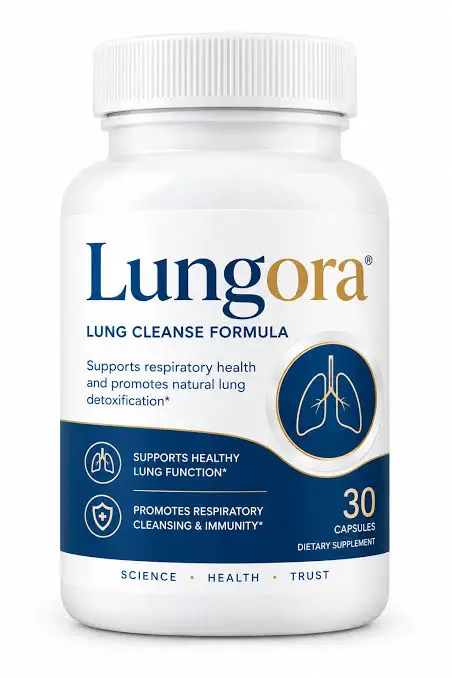
Lungora is sold as a once-daily capsule intended to support healthy lungs, respiratory cleansing, and antioxidant protection. The marketing appeals to people concerned about breathing difficulties, environmental pollutants, respiratory health, and the effects of oxidative stress on the body. For someone who has been dealing with respiratory concerns or simply wants to protect their lungs as they get older, a supplement promising convenient daily support may sound attractive.
The problem is that advertising a supplement for lung health does not establish that it can clean the lungs, improve breathing, or treat an underlying respiratory condition. These are meaningful health claims, and consumers deserve evidence that goes beyond a well-produced sales video or a list of familiar ingredients.
Lungora’s promotional approach raises additional questions because of the alleged use of AI-generated videos featuring figures such as Dr. Sanjay Gupta, Dr. Drew Pinsky, Pat Sajak, and Anderson Cooper. These are recognizable names, and their apparent involvement could make an advertisement seem more trustworthy than an ordinary supplement commercial. However, the appearance of a public figure in a promotional video is not proof that the person has actually endorsed the product.
Lungora Fake AI Testimonials: Are the Celebrity Endorsements Real?
One of the most troubling allegations surrounding Lungora is that its marketing uses AI-generated testimonial videos that falsely suggest well-known personalities support the supplement. The names associated with these videos reportedly include CNN medical correspondent Dr. Sanjay Gupta, physician and television personality Dr. Drew Pinsky, television host Pat Sajak, and journalist Anderson Cooper, among others.
These videos deserve particular scrutiny because artificial intelligence can now produce convincing imitations of a person’s face and voice. A video may show a familiar presenter apparently discussing a medical breakthrough or recommending a particular supplement, even when the person has never made those statements. Viewers who encounter such an advertisement while browsing social media may initially assume they are watching a genuine interview or news report.
Unless an endorsement can be independently verified, consumers should not assume that the person shown in a Lungora advertisement actually recommends the product. If AI-generated footage is being used to imply an endorsement that never happened, that would be deceptive marketing rather than legitimate evidence of the supplement’s effectiveness.
Why Does the Lungora Website Look Like CNN?
Another concern is the reported use of a website design resembling CNN’s presentation. Familiar news branding can make a sales page appear more authoritative, particularly when it includes medical language, professional-looking layouts, photographs of public figures, and claims about scientific discoveries.
The purpose of this kind of presentation, whether intentional imitation or another form of misleading design, is a legitimate question for consumers to consider. A page that looks like a news report can encourage readers to treat its contents as independently investigated journalism, even when the page is actually selling a product.
CNN’s recognizable appearance does not mean CNN has reviewed, tested, or endorsed Lungora. The same applies to any other media outlet whose name, logo, or visual style appears in a supplement advertisement. Before believing a story about a health breakthrough, readers should check whether it appears on the publication’s genuine website and whether the article identifies credible sources.
If the Lungora sales page presents promotional material in a way that could lead visitors to believe it is an authentic CNN report, that is a substantial reason to question the credibility of the advertising. Consumers should be able to tell whether they are reading independent reporting or a sales pitch designed to look like one.
Lungora Ingredients: Magnesium Glycinate, Turmeric and CoQ10
Lungora is marketed as containing magnesium glycinate, turmeric extract, and Coenzyme Q10. These ingredients have been studied for different aspects of human health, but their presence in a supplement does not automatically prove that the finished product can improve respiratory function.
Magnesium glycinate is a form of magnesium commonly used in dietary supplements. Magnesium plays an important role in normal muscle and nerve function, and the body needs adequate amounts to maintain various physiological processes. However, evidence that magnesium is an essential nutrient does not demonstrate that taking additional magnesium will cleanse the lungs or improve breathing in otherwise adequately nourished people.
Turmeric extract contains compounds associated with antioxidant and anti-inflammatory activity, particularly curcumin. Some research has examined curcumin in relation to inflammation and other health conditions, but findings from laboratory studies or research involving different formulations cannot automatically be applied to Lungora. The amount of turmeric extract, its curcumin content, its absorption, and the dosage used all matter when assessing whether a particular product could produce a meaningful effect.
Coenzyme Q10 (CoQ10) is a substance involved in cellular energy production and antioxidant processes. It is sold in supplement form and has been investigated for several health applications. Nevertheless, general research into CoQ10 does not establish that Lungora can remove pollutants from the lungs, repair respiratory damage, or provide noticeable improvements in breathing.
The important question is whether the exact Lungora formula has been tested in reliable human studies and shown to deliver the advertised respiratory benefits. Based on the information available for this review, I could not establish that such product-specific clinical evidence exists. Without that evidence, the supplement’s claims remain unproven, regardless of whether its individual ingredients have legitimate uses in other contexts.
Does Lungora Really Cleanse the Lungs?
The phrase “lung cleansing” sounds appealing, but consumers should be careful about what it actually means. Lungora’s marketing suggests that the supplement supports respiratory cleansing and healthy lung function, yet those descriptions do not explain precisely what the capsules are supposed to remove, how they would remove it, or how the results have been measured.
The lungs already have natural mechanisms for protecting themselves and clearing mucus and inhaled particles. A supplement should not be assumed to improve those processes simply because its ingredients have antioxidant properties. Nor does the presence of antioxidants establish that a product can reverse the effects of smoking, air pollution, or a chronic respiratory illness.
There is a considerable difference between supporting normal nutritional needs and claiming to restore or cleanse an organ. To justify stronger claims about Lungora, the manufacturer would need credible evidence showing that the finished formula produces measurable respiratory benefits in people who take it.
Until such evidence is available, claims that Lungora cleans the lungs or meaningfully improves breathing should be treated with skepticism. People experiencing persistent coughing, wheezing, chest tightness, or shortness of breath should seek appropriate medical advice instead of relying on an online supplement.
Is Lungora a Scam or Legit?
The biggest concern with Lungora is the credibility of its marketing. If the reported AI-generated videos falsely portray doctors, journalists, or television personalities as endorsing the supplement, that would be a serious reason not to trust the seller’s promotional claims. The alleged CNN-style presentation raises a related concern because it could give a commercial sales page the appearance of independent news coverage.
These issues matter even before considering the supplement’s effectiveness. A product can contain familiar ingredients and still be marketed deceptively. Equally, a supplement’s ingredients may have legitimate nutritional or research applications without proving that the specific product can deliver everything promised in its advertisements.
Based on the information available, I would not treat Lungora’s celebrity-style testimonials or news-like presentation as reliable evidence of its benefits. I also could not establish independent clinical evidence confirming that Lungora improves lung function or cleanses the respiratory system as advertised.
It would be too strong to declare the product itself fraudulent solely on the basis of the information provided. However, the reported marketing tactics and lack of verified product-specific evidence give consumers good reasons to be cautious. The seller should be able to substantiate its health claims and clearly explain who manufactures the product, what each capsule contains, and what evidence supports its advertised benefits.
Should You Buy Lungora?
I would be hesitant to buy Lungora based on its current marketing claims. The supplement may sound convincing when presented alongside familiar ingredients and videos featuring recognizable personalities, but neither the ingredient list nor an apparent celebrity endorsement proves that it can improve lung health.
Before placing an order, look for a complete Supplement Facts label, the exact amounts of each ingredient, identifiable manufacturer information, and credible independent testing. It is also worth reading the refund policy and checking whether the checkout page includes recurring payments or additional charges. These details should be clear before you hand over your payment information.
Most importantly, do not use Lungora as a substitute for prescribed medication or medical treatment for asthma, COPD, or another respiratory condition. Even ingredients sold as natural supplements can cause side effects or interact with medication, so anyone with an existing health condition should consult a qualified healthcare professional before taking it.
Conclusion
Lungora is promoted as a daily supplement for lung support, respiratory cleansing, and antioxidant protection, but the available information does not establish that it delivers these benefits. Its formula contains magnesium glycinate, turmeric extract, and CoQ10, yet research into those ingredients cannot substitute for clinical evidence involving the finished product.
More concerning are the allegations that Lungora’s promotional campaign uses AI-generated testimonials featuring public figures such as Dr. Sanjay Gupta, Dr. Drew Pinsky, Pat Sajak, and Anderson Cooper, along with a website presentation resembling CNN. Those endorsements should not be trusted unless they can be independently verified. A convincing video or familiar news-style design is not proof of a genuine recommendation.
I would approach Lungora with considerable caution and would not recommend buying it on the strength of its current promotional claims. The respiratory benefits have not been adequately established, and the reported use of AI-generated endorsements raises serious questions about the credibility of its marketing. Until the seller provides verifiable evidence supporting the product’s claims and the endorsements can be authenticated, consumers would be wise to keep their money and look for better-substantiated options.
Check out Mansculpt wave therapy plus that I talked about earlier.