
Is HoneyPezil a legitimate supplement for Alzheimer’s and dementia, or is it another online health scam targeting people who are worried about memory loss? I looked into the sales presentation, and what I found is not what someone would expect after watching the advertisements. The promotion uses familiar names, dramatic health claims and a supposed home remedy involving Vicks VapoRub to get people interested. But after keeping viewers watching for a lengthy presentation, the promised remedy turns into a sales pitch for a bottle of pills called HoneyPezil.
What bothers me most about this promotion is the way it targets people who are genuinely worried about their memory or the health of someone they love. Alzheimer’s and dementia are serious conditions, and families dealing with them are often desperate to find something that might help. Using that fear to sell a supplement through fake celebrity videos and misleading medical claims is simply wrong.
I went through the HoneyPezil promotion to see what is actually being sold, why Elon Musk and Dr. Travis Stork appear in the advertisements, and what buyers should know about the money-back guarantee and recurring charges. From what I found, HoneyPezil is part of a deceptive supplement scam, and I would not recommend spending money on it.
What Is HoneyPezil?
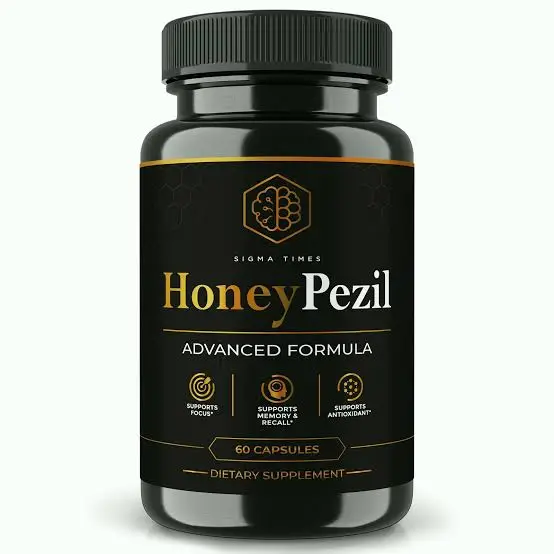
HoneyPezil is marketed as a brain health supplement that supposedly helps with memory loss, brain fog and other problems associated with ageing and cognitive decline. Its advertising targets people who are worried about forgetting things, struggling to concentrate or noticing changes in their memory.
The name is presented as a solution for people looking for ways to protect their brain health, and the sales pitch makes some very attractive suggestions about reversing or improving memory problems. Rather than simply advertising a bottle of supplements, however, the sellers use a much longer presentation built around a supposed discovery involving an ordinary household ingredient.
The presentation makes viewers believe they are about to learn a simple home remedy that could help with memory problems. Eventually, the focus shifts to HoneyPezil pills, which viewers are encouraged to purchase as the solution.
That is quite different from what someone might expect after clicking an advertisement promising a simple recipe. If I clicked on an advert expecting to learn about a home remedy, I would not expect to sit through a lengthy sales video before discovering that the real purpose was to sell me an expensive supplement.
The HoneyPezil Vicks VapoRub Recipe Is a Sales Trick
One of the main attractions used to promote HoneyPezil is a supposed home recipe involving Vicks VapoRub. The advertisements suggest that this familiar product contains something that could help with memory problems when combined or used in a particular way.
Vicks VapoRub is something many people already have in their homes, so using its name makes the advertisement sound familiar and interesting. Someone dealing with brain fog or worrying about dementia might be curious enough to watch the presentation just to find out what the supposed secret recipe involves.
But instead of simply explaining the promised mixture, the presentation uses the recipe as a way to keep viewers interested until it can introduce HoneyPezil. The home remedy becomes a route into a supplement sales pitch.
I find this misleading because people are not necessarily clicking on the advertisement because they want another bottle of pills. They are being attracted by the promise of a simple household remedy, only to be directed towards a product they were not originally expecting to buy.
There is also no credible evidence that rubbing or mixing Vicks VapoRub into a home remedy can prevent or reverse Alzheimer’s disease. I would not experiment with household products as a treatment for memory loss based on claims made in an online sales video.
HoneyPezil Uses Fake Elon Musk and Dr. Travis Stork Videos
Another part of the HoneyPezil promotion that deserves attention is the use of famous personalities to make the product look trustworthy. The advertisements feature AI-generated or manipulated videos involving Elon Musk and Dr. Travis Stork.
Elon Musk is a well-known public figure, while Dr. Travis Stork is recognised for his television appearances and medical background. Putting their faces into a health advertisement can make viewers believe that the product has been recommended by people with influence or medical knowledge.
But there is no legitimate endorsement from either of them for HoneyPezil. Their names and likenesses are being used to attract attention, and viewers should not mistake these promotional videos for genuine interviews or recommendations.
This is a particularly nasty way to market a supplement because people tend to trust familiar faces. Someone who has never heard of HoneyPezil might become interested simply because they believe a famous person or doctor has discovered something important about Alzheimer’s disease.
I would not take these videos seriously. AI technology makes it possible to create convincing-looking clips using a person’s face and an artificial voice, even when that person has never promoted the product or agreed to appear in the advertisement.
The False NASA Claims Behind HoneyPezil
The promotion also brings NASA into the story, suggesting that the supposed brain health discovery has some connection to research or information from the space agency.
This is another way of making the product sound more advanced and scientifically supported than it actually is. NASA is a familiar organisation, and mentioning it in a health advertisement can make viewers think that the supplement is connected to important scientific discoveries.
However, using NASA’s name in a sales presentation does not mean the organisation developed, tested or approved HoneyPezil. I have not seen credible evidence establishing any official NASA connection to this supplement or proving that NASA research supports its claims about Alzheimer’s and dementia.
If a company wants people to believe its product is based on scientific research, it should provide actual studies and verifiable information rather than relying on impressive names in a promotional video.
Does HoneyPezil Really Work for Alzheimer’s and Dementia?
This is probably the biggest question for anyone considering buying the supplement. Unfortunately, I have not seen reliable clinical evidence showing that HoneyPezil can prevent, reverse or treat Alzheimer’s disease or dementia.
There is a big difference between taking a supplement that claims to support general brain health and using something that supposedly treats a serious condition such as Alzheimer’s. The latter requires proper scientific evidence, not dramatic stories from an online sales presentation.
Alzheimer’s disease is a complex condition, and there is no simple household mixture or miracle pill that has been proven to reverse it. A supplement cannot be assumed to work simply because its advertisement uses medical language, celebrity videos or claims about secret research.
I would be especially careful if someone is already experiencing memory problems. It is not a good idea to delay a proper medical assessment while trying products advertised online. Memory loss can have different causes, and a qualified healthcare professional is in a much better position to investigate what is happening.
As far as HoneyPezil is concerned, the sellers have not provided enough convincing evidence to support the health claims being used to promote it.
HoneyPezil Money-Back Guarantee and Hidden Subscription Charges
The sales presentation also uses a money-back guarantee to make the purchase seem less risky. This is common with online supplement offers because buyers may feel more comfortable spending money when they believe they can simply request a refund if the product does not work.
However, a guarantee is only useful when the seller actually honours it. In the HoneyPezil promotion, there are concerns about the way the offer is presented and the possibility of customers facing difficulties when trying to get their money back.
I would also pay close attention to the checkout process. Hidden recurring charges are a problem with many questionable supplement sales funnels, where customers believe they are making a one-time purchase but later discover additional payments being taken from their cards.
Before entering any payment details, make sure you understand the total price, whether the order includes automatic refills and what the refund conditions actually say. Do not assume that a large money-back guarantee printed on a sales page means getting your money back will be easy.
I would not trust a seller’s promises without clear information about who is taking the payment, how to cancel an order and where refund requests should be sent.
Is HoneyPezil a Scam or Legit?
From what I found, I would consider HoneyPezil a deceptive supplement offer and a scam worth avoiding. The promotional campaign relies on fake or manipulated celebrity and doctor videos, a misleading Vicks VapoRub recipe and unsupported claims involving NASA to persuade people to buy the product.
The biggest problem is that the marketing targets people who may be frightened about developing Alzheimer’s or watching a loved one struggle with memory loss. Instead of presenting clear information about the ingredients and providing proper evidence for its claims, the sellers use a lengthy presentation designed to build excitement around a supposed discovery before introducing a bottle of pills.
I also have concerns about the money-back guarantee and the reported hidden subscription charges. People should not have to deal with confusing payment arrangements or difficult refund processes after being persuaded to buy a health supplement through misleading advertising.
I would stay away from HoneyPezil. There is no convincing evidence that it treats Alzheimer’s, reverses dementia or delivers the results suggested in its advertisements.
Already Bought HoneyPezil? Here’s What You Should Do
If you have already purchased HoneyPezil and noticed unexpected payments, contact your bank or credit card company. Explain that you believe you have been charged without proper authorisation and ask about disputing the transactions and preventing further payments.
If the purchase included an automatic subscription, request cancellation in writing and keep a copy of the communication. Save your order confirmation, receipts, promotional advertisements and any messages from the seller in case you need them when making a complaint.
You can also report suspected online fraud to the relevant consumer protection or fraud reporting authority in your country. If you are in the United States, you can submit a complaint to the Federal Trade Commission at ReportFraud.ftc.gov.
Most importantly, if you or someone close to you is experiencing memory loss, speak with a qualified healthcare professional rather than relying on HoneyPezil or another supplement advertised as an Alzheimer’s cure.
Stay Away From HoneyPezil
I would not recommend HoneyPezil to anyone looking for help with memory loss, brain fog, Alzheimer’s or dementia. The advertising is built around a supposed Vicks VapoRub recipe that eventually turns into a sales pitch for pills, while fake AI videos involving Elon Musk and Dr. Travis Stork are used to make the product appear more credible.
The NASA claims also do not establish that the supplement has any scientific backing, and there is no convincing clinical evidence that HoneyPezil can treat or reverse dementia.
What I find most upsetting is that this kind of marketing takes advantage of people who are already worried about their health or the health of their parents and loved ones. They deserve honest information, not fake celebrity endorsements and promises of a miracle cure.
HoneyPezil is a scam I would avoid. Do not let the Vicks VapoRub recipe, fake doctor videos or NASA claims convince you to spend your money on a supplement that has not been proven to do what its sellers promise.
Check out Necklow Sleep Pillow that I reviewed, earlier.