
With electricity bills becoming more expensive, I can understand why a heater advertised as using very little electricity would attract so much attention. Nobody wants to spend a fortune keeping their home warm, especially during the colder months. So when I came across advertisements for the German Graphene Wall Heater, I could see why people would be interested.
The product is advertised as a new type of heating technology that can warm your home without the high electricity consumption associated with ordinary heaters. The adverts make it look incredibly simple. You get a thin heating sheet, stick it to your wall, plug it in, and supposedly enjoy a warm room without worrying about your electricity bill.
But the more I looked into these claims, the less convincing they became. There are questions about how much heat this little sheet can actually produce, what you receive when you order it, and whether the product has anything particularly special about it. I also found that the German connection being used in its marketing does not necessarily mean you are buying a German-engineered heating appliance.
Here is what I found.
What Is the German Graphene Wall Heater?
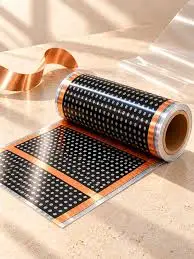
The German Graphene Wall Heater is advertised as a thin, flexible electric heating panel that can be attached directly to a wall. Unlike traditional heaters that take up floor space, this product is supposed to sit against the wall and provide heat without getting in the way.
Its marketing focuses heavily on graphene technology. Graphene is a real material with interesting properties, including excellent electrical and thermal conductivity. It is used in different areas of technology, and heating products made with graphene do exist.
The idea itself is not completely far-fetched. Electric heating films and infrared heating panels are already available, and some use carbon-based heating elements. The problem is that sellers appear to be using the word graphene to make an ordinary electric heating product sound like something far more advanced than it actually is.
The German Graphene Wall Heater is promoted as a high-tech far-infrared heating solution that warms up quickly and provides comfortable heat throughout a room. Its thin design also makes it look quite different from the bulky portable heaters most people are familiar with.
However, the advertisements do not provide enough convincing technical information to show exactly what makes this particular product better than other electric heating panels.
German Graphene Wall Heater Claims: How Much Can It Really Heat?
One of the biggest selling points is how little electricity the heater supposedly uses. Some advertisements suggest it can run throughout the night while consuming just 1–2 kWh of electricity. That sounds attractive, particularly if you are trying to reduce your heating expenses.
There are also claims that the small heating sheet can warm large rooms, with some promotions even suggesting coverage of up to 200 square metres. This is where I start having serious doubts.
Heating a room requires a certain amount of energy. The size of the room, ceiling height, insulation, outdoor temperature and heat loss all affect how much power is needed. A small heating sheet cannot simply produce enough heat for an entire house because the advertisement says it can.
Think about an ordinary electric heater. A 2,000-watt heater uses 2 kWh of electricity when running continuously for one hour. If it runs for five hours, that is 10 kWh. The same basic principle applies to an electric heating film. It needs electricity to produce heat, and the amount of heat it can provide depends on its actual power rating.
So, where is the supposed massive energy saving coming from?
The advertisements do not give a convincing explanation. Graphene does not make electricity disappear, and calling something infrared heating does not automatically mean it uses less electricity than every other electric heater.
Does Graphene Technology Make It More Energy Efficient?
I think this is one of the most misleading parts of the marketing because graphene sounds impressive, and sellers know that many people will associate it with advanced technology.
Graphene can be used in heating elements, but that does not mean every product containing graphene is automatically an energy-saving device. An electric resistance heater still converts electrical energy into heat. This is also what happens with an ordinary electric space heater.
A standard electric resistance heater already converts nearly all the electricity it consumes into heat inside the room. A graphene heating film cannot magically produce several times more heat from the same amount of electricity.
Infrared heating can feel comfortable because it warms people and objects directly rather than relying entirely on heating the surrounding air. That can be useful in certain situations, especially when heating a specific area. However, it does not mean a small wall sheet can heat a large home for almost nothing.
If the German Graphene Wall Heater is genuinely more economical to operate, the seller should be able to provide its actual wattage, heating capacity and independent test results. Simply mentioning graphene and infrared technology is not enough.
What Do You Actually Get When You Order?
Another issue that caught my attention is what some buyers reportedly receive after ordering these heaters.
According to complaints and product investigations, some versions arrive as little more than a bare heating film. Buyers have reported missing power cords, thermostats and proper installation instructions.
Now, imagine ordering a heater because an advertisement shows you a complete, ready-to-use heating system, only to receive a thin sheet that you cannot even plug in without sourcing additional components.
That is not what most people expect when buying a household heating appliance.
There is also the question of electrical safety. A heating element is not something I would recommend experimenting with, particularly when it involves mains electricity. Without proper wiring, temperature controls and clear installation instructions, there is a risk of overheating, electrical faults or fire.
A proper heating product should come with clear specifications, suitable electrical connections and instructions explaining how to install and operate it safely. Having to figure these things out yourself is not acceptable for a product being advertised as an easy home heating solution.
Is the German Graphene Wall Heater Really Made in Germany?
The name certainly makes it sound German, but I would not automatically believe that the product is manufactured in Germany simply because the seller uses that description.
There are many generic heating films and carbon-based infrared panels available from overseas manufacturers. Some look very similar to the products being promoted in viral social media advertisements.
This raises the possibility that the German Graphene Wall Heater is another generic product being marketed under an impressive-sounding name. The same basic heating technology may be available from different sellers, with different branding and considerably different prices.
I have not seen convincing manufacturing information establishing that this particular heater is a specially developed German appliance. Without a verifiable manufacturer, factory details or proper product documentation, the German branding does very little to convince me.
Is the German Graphene Wall Heater a Dropshipping Product?
I would be particularly careful about where you order this heater. The online marketing makes the product look like a revolutionary invention, but the heating film itself appears to belong to a category of generic electric heating products that can be sourced from overseas suppliers.
This is a common way some online stores operate. They find an inexpensive product from a wholesale supplier, give it a new name, create attractive advertisements and sell it at a much higher price. The customer may believe they are buying a specially developed appliance when they are actually receiving a generic item.
The problem becomes more serious when something goes wrong. If the heater arrives without the necessary accessories, does not perform as advertised or develops a fault, getting help from the seller may not be straightforward.
I would want to know exactly who manufactures the product, where returns are sent, whether the seller has a working customer support service and whether the advertised refund policy is actually honoured. I would not rely on a flashy advertisement to answer these questions.
German Graphene Wall Heater: Is It Worth Buying?
Personally, I would not spend my money on the German Graphene Wall Heater based on the claims currently being used to promote it.
I am not saying that graphene heating films are fake or that every infrared heating panel is useless. They are real products, and electric wall heating can be useful when properly designed and installed. What I find difficult to accept is the suggestion that a small adhesive heating sheet can warm an enormous space while consuming almost no electricity.
The reported problems with missing power cords, thermostats and installation instructions make the purchase even less appealing. A heater should arrive as a properly specified and safe appliance, not as a collection of parts that the buyer has to figure out.
The German Graphene Wall Heater is heavily overhyped, and I would avoid buying it. The energy-saving promises are not supported by convincing technical evidence, the German branding has not established any special manufacturing credentials, and the product appears to be closely related to generic heating films already available on the market.
If you genuinely need an energy-saving heating solution, I would rather buy a properly rated heater from an established manufacturer, with a clear wattage, thermostat, safety features and accessible customer support. At least then you know what you are paying for instead of gambling your money on impressive claims that do not add up.
Check out Necklow Sleep Pillow that I reviewed, earlier.