
I bought a 1500-watt heater from Target for $45, so when I came across Heatoor being advertised for around $100, I wanted to see what made it worth more than twice the price. The adverts make it look like some special heating invention that can warm your room while cutting your electricity bills. They even tell a story about a certified HVAC technician who supposedly developed the product after discovering a better way to heat homes. But when I looked beyond the sales pitch, I found that Heatoor appears to be another rebranded generic heater being sold at an inflated price.
The physical product does not even carry the Heatoor name. It looks like the same cheap hot-air blower being sold under different names on websites such as AliExpress and Temu. This is something I have seen repeatedly with these viral heating products. A seller takes an ordinary device, gives it a new name, creates an impressive-looking website and starts advertising it as a revolutionary invention. Heatoor follows that same pattern, and I would not spend $100 on it when I can buy a heater from a recognised brand for much less.
What Is Heatoor ?
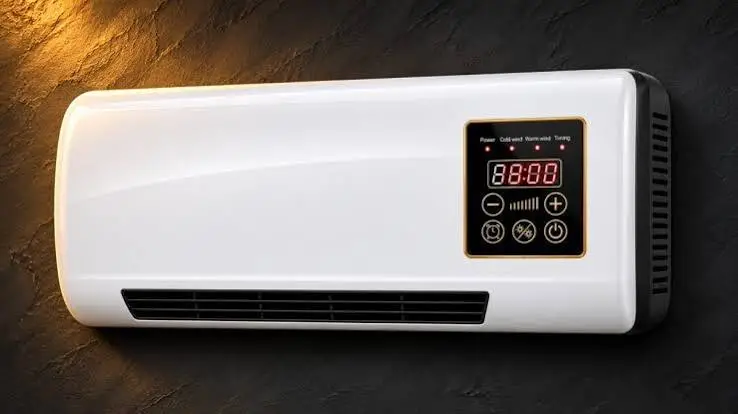
Heatoor is advertised as a compact wall-mounted heater that plugs directly into an electrical socket. The sales pages claim it can quickly warm a room without taking up much space, making it sound like a convenient alternative to larger electric heaters. The adverts also suggest that it can help households save money on electricity bills, which is probably one of the biggest reasons people become interested in it.
There is nothing particularly unusual about a small plug-in fan heater. These products use electricity to power a heating element and a fan that blows warm air into the room. They can be useful for heating a small area, but they still consume electricity while operating. Calling one a revolutionary energy-saving device does not change how it works.
What I found more interesting was the price. Heatoor is advertised at around $100 for one unit, even though the same basic type of heater is available under generic names for much less. I could not find anything about this product that justified paying such a high price.
Heatoor Is a Rebranded Generic Heater
When I looked at the actual device, one detail stood out: the words Heatoor are nowhere on the physical product. That is because this does not appear to be a specially developed heater made exclusively for the Power Heat Pro brand. It looks like a generic hot-air blower that can be purchased from wholesale suppliers and online marketplaces.
You can find similar heaters on AliExpress and Temu, often listed under ordinary descriptions rather than a special brand name. Sellers can source these products cheaply, put together their own sales pages and advertise them under different names. The customer sees a polished website and assumes they are buying a unique invention, when they may simply be paying a large markup for a mass-produced device.
I have seen this same approach with other seasonal products, including Alpha Heater and Alpha Heat. Every winter, new names appear on social media advertising small heaters as if they have discovered a completely new way to warm a home. When summer comes around, similar marketing appears for portable air conditioners that are supposedly capable of cooling entire rooms while using almost no electricity.
Heatoor looks like another version of the same business model. The name changes, the website changes and the adverts tell a new story, but the generic product underneath remains much the same.
The $100 Price Does Not Make Sense
I paid $45 for a 1500-watt Honeywell heater from Target. It is a recognisable brand, sold through a retailer I know, and I did not have to spend $100 on a mysterious device advertised through social media.
You can also find 1500-watt heaters from established brands such as Honeywell through retailers like Target. These heaters are not being presented as magical inventions that somehow escape the normal cost of using electricity. They are sold for what they are: electric heaters that produce warmth by using power.
That is why the Heatoor price bothers me. If the product is essentially a generic hot-air blower, why should someone pay around $100 for it? I would rather put that money towards a heater from a recognised manufacturer, with proper product information and a retailer I can contact if something goes wrong.
Is the Heatoor Invented by an HVAC Technician?
The website Heatoor.com tells a story about a certified HVAC technician named Dan Whitaker who supposedly came up with the Heatoor heater. This is used to make the product sound as though it was developed by someone with years of experience in heating systems.
I would not accept that story without proper evidence. A name and a photograph on a sales page do not prove that someone invented the product or designed its internal components. More importantly, the fact that the physical heater appears to be a generic device sold under other names does not support the idea that Power Heat Pro is some unique invention.
The adverts also claim the product has been featured by USA Today, Fox News, ABC, NBC, CBS, the Today show and Digital Journal. These claims are designed to make the website look more established, but displaying the names of famous media organisations is not proof that they have actually reviewed or recommended the heater. I found no credible reason to believe these outlets endorsed Heatoor.
Heatoor Money-Back Guarantee and Customer Service
Another thing I would be careful about is the money-back guarantee. The website makes buying the heater sound risk-free, but a guarantee is only useful if the seller actually honours it when customers ask for their money back. There have been concerns about how difficult it can be to get refunds from websites selling products like this, so I would not rely on the promise without reading the full terms.
The contact information is also limited. The website provides the email address [email protected], but does not clearly provide a customer service phone number. If you receive a heater that is different from what you expected, or discover that you have been charged more than the advertised price, you may find it difficult to get the problem sorted out.
I would also pay close attention to the checkout page. Some websites selling viral products have been accused of adding unexpected recurring charges or other payments after customers place an order. I am not saying every Heatoor order will result in a subscription charge, but I would check the final amount carefully and make sure there are no extra products or recurring payments selected without your understanding.
Does Heatoor Really Save Electricity?
I would not buy Heatoor because of the promise that it can slash electricity bills. A plug-in electric heater still needs electricity to produce heat, and a small device does not automatically become more energy-efficient because the sales page calls it revolutionary.
Heatoor is advertised as a 1500-watt-style heating device, and a heater using 1500 watts consumes 1.5 kilowatt-hours of electricity for every hour it runs at full power. The actual cost depends on your electricity tariff and how long you use it. A heater that runs for several hours can add to your bill, regardless of the name printed on its website.
A small heater may be useful when you only want to warm the area around you rather than heat an entire house. That is a normal use for portable electric heaters. But I would not confuse this with a special technology that dramatically reduces the amount of electricity needed to produce heat.
Is Heatoor a Scam or Legit?
After looking at the product and comparing it with other heaters, I would avoid Heatoor. It appears to be a generic hot-air blower sold under a new name at a much higher price, with advertising that makes it sound like a special invention. The claims about HVAC technician Dan Whitaker and appearances on major media outlets are not backed by convincing evidence, and I would not trust the sales page simply because it includes familiar names and logos.
The price is another reason I would walk away. I bought a 1500-watt Honeywell heater from Target for $45, while Heatoor is being sold for around $100. I see no good reason to pay more for a generic device when established brands offer ordinary heaters through reputable retailers.
My advice is to skip Heatoor and buy from a recognised heater brand instead. Do not let the claims about huge electricity savings or the supposed HVAC technician convince you that this is something special. It looks like another overpriced seasonal product being pushed through flashy adverts, and I would rather spend my money on a heater that comes from a manufacturer I can actually identify.
Check out Necklow Sleep Pillow that I reviewed, earlier.