
I came across FuelSync again while looking through TikTok advertisements for products claiming to reduce fuel costs. This time, I investigated the offer on November 22, 2026, and what I found was much the same as the fuel-saving scams I have looked into before. FuelSync is advertised as a small device that can supposedly double or even triple your car’s fuel economy. With petrol prices putting pressure on drivers, I can understand why someone would be tempted by that promise. Nobody wants to keep spending more money at the pump than they have to.
The advertising also gives the product an interesting backstory. It claims that a former Ford engineer called Michael developed FuelSync to fight back against the big oil and energy industries. According to the story, this engineer came up with a way to help ordinary drivers use much less fuel, while the companies making money from petrol supposedly want to keep the discovery hidden. It makes for a convincing sales pitch if you do not stop to question it, but I found no credible evidence that this story is true. The engineer’s story is part of the marketing used to sell the device, not proof that FuelSync works.
After following the advertisements and checking the websites involved, I found that the offer leads to a misleading sales page and, eventually, a checkout website where recurring charges are hidden in the terms. This is not simply a case of buying a device that fails to deliver the promised fuel savings. There is also the risk of paying for something you did not realise you had signed up for.
What Is FuelSync and What Does It Claim to Do?
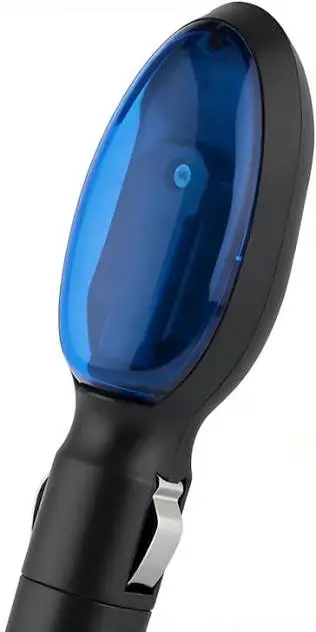
FuelSync is promoted as a fuel-saving device that supposedly improves how efficiently your vehicle uses petrol. The main promise is that fitting this small gadget to your car can dramatically increase fuel economy, with some advertisements suggesting that drivers could double or triple the distance they get from the same amount of fuel.
That would be an extraordinary improvement. Imagine filling your tank and getting twice or three times as many miles without changing your driving habits or buying a more efficient vehicle. It is exactly the sort of result that would get drivers interested, particularly people who spend a lot of money commuting or travelling long distances.
The problem is that the advertising does not provide convincing evidence that a little plug-in gadget can achieve anything close to those results. A car’s fuel consumption depends on several things, including its engine, condition, weight, driving style and road conditions. A small device cannot simply override all of that and suddenly make an ordinary vehicle use a fraction of its normal fuel.
I have looked into these fuel-saving gadgets before, and the same basic promise keeps appearing under different product names. They are presented as clever technology that the car industry supposedly does not want drivers to discover, but the sellers rarely provide proper technical evidence to support the claims. FuelSync follows that same pattern.
The Fake Former Ford Engineer Story
The FuelSync advertisements I investigated started on TikTok. They introduce a man called Michael, who is described as a former Ford engineer responsible for creating the fuel-saving device. The story suggests that he developed it because he wanted to help ordinary drivers fight back against the big oil and energy companies.
I would be much more interested in this story if there were credible information to back it up. Where did Michael work? What exactly did he develop? Is there any independently verifiable engineering research showing that FuelSync can produce the claimed fuel savings? The advertising does not give convincing answers to these questions.
Instead, the story is used to make the product sound like a discovery that powerful companies have been trying to suppress. It is a familiar marketing trick: create a supposed inventor, give the product a dramatic backstory and make customers feel they are being let in on something the public was never meant to know.
I found no credible evidence that a former Ford engineer named Michael invented FuelSync or that the device has any connection to Ford. The story should not be treated as genuine simply because it appears in a TikTok advertisement.
Where the FuelSync Advertisements Lead
I followed the TikTok advertisements to see where someone interested in buying the product would end up. The ads first directed me to smartconsumerlivingtips.com, a landing page presenting the FuelSync claims and repeating the story about the supposed former Ford engineer.
From there, the sales journey led to aviroohome.com, where the actual offer and checkout process appeared. This matters because someone clicking an advert may think they are simply reading about a new fuel-saving invention, but they are being moved through a series of sales pages designed to get them to place an order.
The claims on the first page are what make the product attractive, while the final website is where customers are asked to pay. I also found that Aviroo Home hides recurring membership or subscription charges in its terms. This is particularly concerning because the TikTok advertising focuses on saving money on petrol, not signing up for ongoing monthly payments.
A buyer could therefore believe they are making a one-time purchase of a fuel-saving gadget, only to discover that their card is being charged again later. These recurring charges can be easy to overlook when the important information is buried in lengthy terms rather than clearly explained before payment.
The Hidden Monthly Subscription Charges
The subscription issue is one of the main reasons I would stay away from FuelSync. The Aviroo Home website includes recurring fees in its terms, but customers may not realise they are agreeing to monthly payments when they arrive through the advertising and sales pages.
When someone is buying a device advertised at a particular price, they should be told clearly if that purchase also signs them up for a monthly membership. Hiding that information in the terms is not the same as making the charges obvious during checkout.
It is especially frustrating with a product that is supposedly meant to save drivers money. Someone might order FuelSync hoping to spend less on fuel, only to find additional payments leaving their bank account. Even if the original device is inexpensive, recurring charges can quickly turn the purchase into something much more costly.
If you have already ordered FuelSync, check your card or bank statements carefully for payments from Aviroo Home or any unfamiliar company connected to the order. Do not assume that paying once means the transaction is finished.
Can Any Device Really Double or Triple Your Fuel Economy?
This is the biggest question, and my answer is no. There is no credible basis for believing that FuelSync can double or triple a car’s fuel economy simply by installing a small device.
A genuine improvement in fuel efficiency usually comes from things such as maintaining the vehicle properly, keeping tyres at the correct pressure, avoiding unnecessary weight, driving smoothly and dealing with mechanical problems that increase fuel consumption. Even then, the savings depend on the condition of the car and how it is driven. They are not the kind of dramatic results FuelSync promises.
I would put these gadgets in the same category as the old miracle products that claim to solve problems with one simple trick. The sales pitch sounds exciting, but the promised results are not supported by convincing evidence. Changing the product name or adding a story about a former engineer does not make the technology real.
Is FuelSync a Scam?
Yes. Based on my investigation, I consider FuelSync a scam and would not recommend buying it. The claim that it can double or triple your fuel economy is not supported by credible evidence, and the story about a former Ford engineer called Michael appears to be a fictional sales pitch. The TikTok advertisements lead through smartconsumerlivingtips.com before sending buyers to Aviroo Home, where recurring monthly charges are hidden in the terms.
What bothers me most is that the offer targets people who are already trying to manage rising fuel costs. The promise of dramatically cheaper driving is attractive, but there is no good reason to believe this device can deliver it. Instead, customers risk wasting money on a gadget that does not provide the advertised savings and may also leave them dealing with unwanted subscription payments.
I would avoid FuelSync altogether. If you want to improve your car’s fuel economy, stick to practical maintenance and advice from a qualified mechanic rather than trusting a gadget promoted through dramatic social media advertisements.
Already Bought FuelSync? What You Should Do
If you ordered FuelSync and have noticed monthly charges you did not knowingly agree to, contact your bank or credit card company. Explain what happened, ask them to investigate the payments and find out whether they can stop further charges or help you dispute the money already taken. Keep your order confirmation, payment records and any messages from the seller.
You can also report the matter to the FBI’s Internet Crime Complaint Center at IC3.gov. If you believe the advertising misled you or you have been charged for a subscription you did not knowingly authorise, include those details in your complaint. The more information you can provide about the advertisements, websites and payments, the more useful your report will be.
Check out Necklow Sleep Pillow that I reviewed, earlier.