
The internet is full of wellness brands promising life-changing results, but few have raised as many red flags as Dear Apothecary. Marketed as a premium line of natural supplements, everything from Blood Flow to Magnesium+, Detoxify, and Golden Turmeric, these products are being pushed aggressively online with promises to boost circulation, detox your liver, balance hormones, and more.
But are these products legit, or just another slickly marketed scam? I dug deep into their claims, websites, and supposed endorsements, and what I found was deeply concerning.
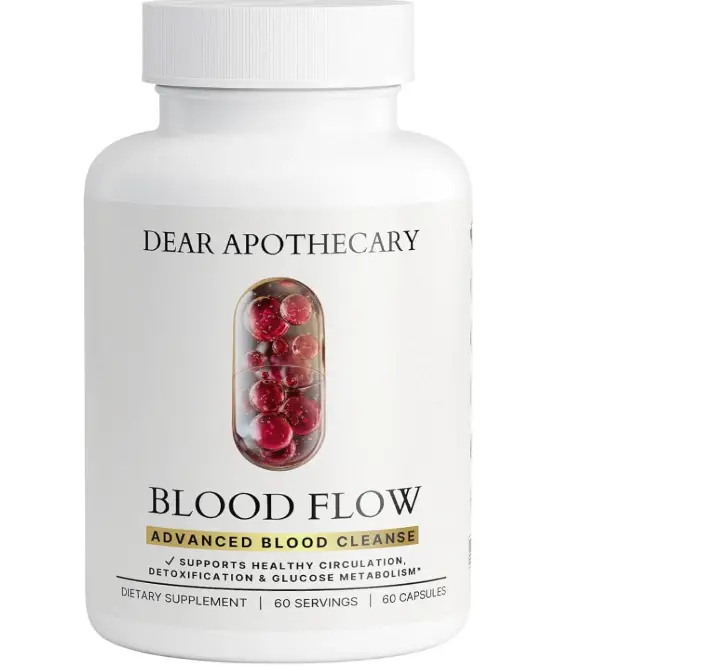
The “Too Good to Be True” Promise
If you visit the dearapothecary.com store, you’ll see a long list of health supplements:
- D3-K2 Max Absorb+eal.
- Blood Flow
- Detoxify
- Golden Turmeric
- Moringa
- Pure Saffron
- Ashwagandha
- Liver Detox
- Berberine HCI
- Magnesium+
- Prostate Max
- Beetroot
- Women’s Balance
- Collagen+
- Colon Detox
- Primal Root
They’re promoted as all-natural, doctor-approved, and backed by science. But that shiny veneer starts to crumble the moment you look closer.
Fake Doctors, Fake Endorsements, and False Credibility
One of the biggest red flags came from their marketing pages, many of which appear on holisticmdjournal.com, a site that mimics the look of a legitimate health publication but is clearly just a promotional funnel.
Here’s what I uncovered:
Made-Up Medical Experts
- They claim endorsements from a Dr. Ana Müller, supposedly an associate professor at the Scientific Research Institute of Medical Parasitology and Tropical Medicine.
- They also mention a Dr. Johann Hofmann, described as a cardiovascular researcher with 15+ years of experience.
But after checking academic databases, LinkedIn, and institutional staff lists, I found no trace of either person existing. To make matters worse, the photo of “Dr. Ana Müller” is clearly AI-generated, you can spot the telltale uncanny features if you look closely.
- Misusing Barbara O’Neill’s Likeness: Another article on holisticmdjournal.com falsely suggests that Barbara O’Neill endorsed Blood Flow. In reality, O’Neill has no connection to Dear Apothecary at all, and her name and image have been repeatedly misused in various online supplement scams. This is a serious attempt to borrow her credibility without consent.
Red Flags on the Official Website
When I visited dearapothecary.com, the issues only multiplied:
- They display “As Seen On” logos from GQ, Vogue, Forbes, Well+Good, and Women’s Wear Daily, but none of these outlets have ever featured or reviewed Dear Apothecary.
- The listed return address is 8152 S. Welby Park Dr, West Jordan, Utah 84088, which belongs to Ship Central, a third-party fulfillment center. This means the company is not actually based there and could be hiding its real location.
- There is no phone number anywhere on the contact page, only a form and a vague privacy policy that points to a questionable offshore address.
- They dangle a “money-back guarantee,” but these are notoriously never honored by scam supplement sites.
I even emailed the company days ago asking for clarification. So far, I’ve received no reply. If they do respond, I’ll update this review, but the silence speaks volumes.
Why This Matters
Supplements are supposed to support your health, not gamble with it. The fact that Dear Apothecary uses fabricated doctors, fake press coverage, and shady contact information should make anyone pause. There’s zero clinical data, no published research, and no transparency about who is manufacturing these pills or where they’re coming from.
In other words: you don’t know what you’re putting in your body.
Conclusion
After investigating their marketing, products, and business practices, my conclusion is clear: Dear Apothecary is not a reputable supplement brand.
The elaborate health claims, fake endorsements, and hidden company identity are classic signs of an online supplement scam. If you’re seeing their ads on Facebook, Instagram, or TikTok, do yourself a favor, scroll past and don’t buy.
Check out the Frownies Patch I reviewed earlier.