
If you’ve been searching for Memobrew reviews, Memobrew coffee trick recipe, or Memobrew reviews and complaints, chances are you’ve already run into one of those dramatic videos online.
The ads usually claim there’s a “7-second coffee hack” that can restore memory, reverse brain fog, and even help with conditions like dementia or Alzheimer’s disease. It’s the kind of promise that grabs attention quickly, especially for people worried about memory decline.
But once you take a closer look at how Memobrew is being promoted, a few things start to stand out.
This article isn’t calling the Memobrew supplement itself a scam, but the marketing tactics used to promote it raise several serious red flags that consumers should understand before buying anything.
The “Memobrew Coffee Trick” You Keep Seeing Online
Many people discover Memobrew through videos that look like investigative news reports. Some are styled to resemble segments from programs like “60 Minutes.”
These videos claim that a Japanese neuroscientist and Nobel Prize winner named Dr. Yoshinori Ohsumi supposedly discovered a simple trick involving coffee that can restore a key brain chemical called acetylcholine.
According to the ads, this trick can supposedly help with:
- Memory loss
- Brain fog
- Dementia
- Alzheimer’s disease
- Lack of focus
The video usually says the trick only takes seven seconds and involves something you already have in your kitchen.
But here’s the catch.
The so-called coffee recipe never actually appears.
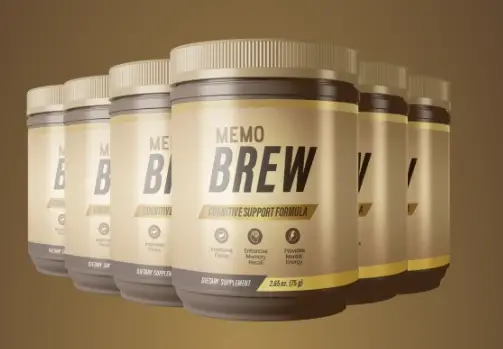
Instead, viewers eventually get redirected to a page selling a bottle of Memobrew cognitive support supplements.
Celebrity Deepfakes Used in the Ads
Another reason people are searching for Memobrew reviews and complaints is the strange list of celebrities appearing in these advertisements.
Some versions of the video appear to show or mention well-known public figures such as:
- Jane Fonda
- Clint Eastwood
- Denzel Washington
There are also references to medical personalities like:
- Dr. Sanjay Gupta
- Dr. Oz
- Dr. Peter Attia
- Dr. Phil
- Dr. Eric Berg
- Dr. Jennifer Ashton
These videos make it look as if these celebrities and doctors are discussing the coffee trick or endorsing the product.
However, there is no evidence that any of these individuals have ever supported or promoted Memobrew. The clips appear to be edited footage or deepfakes designed to make the marketing seem more credible.
Fake Experts and Questionable Claims
The ads also mention a supposed Stanford neurologist named Dr. Hiroshi Tanaka, along with claims about groundbreaking research.
But when people try to verify these claims, it becomes difficult to find legitimate sources supporting them.
This is a common tactic used in online supplement marketing: combining scientific language with invented or exaggerated credentials.
The goal is to make the product appear backed by serious medical research, even when the claims are not verified.
Why It’s Hard to Find Real Memobrew Reviews
Another unusual detail is how difficult it is to find genuine Memobrew customer reviews.
Instead of normal feedback from real users, many search results lead to:
- Low-effort video reviews
- Websites repeating the same promotional claims
- Pages showing extremely high ratings without proof
One example often mentioned is a website called My Cart Panda, which shows a rating of 9.8 out of 10 based on 42,534 reviews. That exact style of rating appears on many unrelated supplement pages and is widely considered a template used in affiliate marketing funnels.
When review numbers look that polished but there’s no verifiable customer feedback, it’s a sign to be cautious.
The “Miracle Recipe” Marketing Pattern
The Memobrew coffee hack fits a pattern that’s been used in many online supplement promotions.
The video usually promises:
- A simple kitchen ingredient
- A daily ritual
- A hidden toxin supposedly harming your body
In the Memobrew ads, the toxin mentioned is often fluoride, which they claim drains your brain’s “memory messenger.”
The video suggests that a quick coffee trick can stop this process and restore brain function.
But again, the promised trick never appears, only the supplement bottle.
Complaints About Refunds
Many of these marketing pages also promise a money-back guarantee, which is meant to make the purchase feel risk-free.
However, across many similar supplement funnels online, people frequently report difficulties when trying to request refunds.
Some customers say they were only offered partial refunds, sometimes around 50%, instead of the full amount originally promised.
This doesn’t necessarily apply to every purchase, but it’s something people should keep in mind when ordering products from unfamiliar websites.
Why These Ads Keep Appearing
The reason the Memobrew coffee trick scm marketing spreads so easily is that it mixes several powerful persuasion techniques:
- Celebrity appearances
- Medical authority figures
- Scientific-sounding explanations
- A simple home remedy involving coffee
Together, these elements make the story feel believable, even if the claims themselves aren’t supported by real evidence.
Conclusion
The rise in searches for Memobrew reviews and complaints shows that more people are starting to question the ads they see online.
While Memobrew may exist as a supplement product, the marketing surrounding it, especially the 7-second coffee trick videos and fake “60 Minutes” reports, should be approached with caution.
If you’re concerned about memory loss, brain fog, or cognitive decline, the safest step is always to consult a qualified healthcare professional rather than relying on dramatic internet ads promising miracle solutions.
When it comes to health products online, taking a moment to verify the claims can make a big difference.
Check out the Frownies Patch I reviewed earlier.