
Garmin has built a reputation for making some of the best fitness wearables on the market, so when rumors and discussions about the Garmin Cirqa started gaining attention, I was curious. The idea sounds appealing: a lightweight screenless fitness tracker that quietly collects health and recovery data while working alongside existing Garmin devices. For athletes who are tired of bulky smartwatches, that sounds like a dream. But after looking deeper, I think there are a few things potential buyers should know.
Why I Was Interested In The Garmin Cirqa
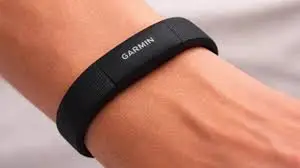
I’ve always liked the idea of a screenless fitness tracker. Sometimes you want the data without another glowing display demanding your attention every few minutes.
The Garmin Cirqa appears designed for exactly that type of user. Instead of replacing your smartwatch, it works as a companion device focused on collecting biometric data in the background while syncing with the Garmin ecosystem. On paper, that’s a smart idea.
First Impressions
The biggest thing that stands out is the minimalist design. There is no display, no flashy interface, and no endless notifications. It looks more like a simple fitness band than a traditional smartwatch.
For some people, that’s a major advantage. For others, it may feel strange paying premium money for a device that doesn’t even have a screen. Whether that’s a positive or negative depends entirely on what you’re looking for.
What The Garmin Cirqa Does Well
The strongest feature appears to be passive tracking. The device focuses on collecting health and fitness metrics throughout the day without requiring constant interaction.
Heart rate monitoring, movement tracking, recovery data, sleep analysis, and workout detection are all designed to operate quietly in the background. When paired with Garmin Connect and compatible Garmin devices, the experience becomes much more useful.
If you’re already invested in the Garmin ecosystem, the Cirqa makes more sense. The automatic workout recognition and recovery tracking can provide a detailed overview of daily activity without requiring you to constantly start and stop workouts manually.
Battery Life Is A Major Strength
One thing Garmin typically does well is battery life, and the Cirqa appears to continue that trend.
Without a display draining power throughout the day, the device can focus its resources on sensor tracking and data collection. For active users, fewer charging sessions is always a welcome feature. No one buys a fitness tracker hoping to charge it every night.
The Reality Of The Tracking Performance
This is where things become more complicated.
For walking, running, sleep monitoring, and basic daily activity, the Cirqa seems capable of producing useful data. However, some users have reported inconsistencies during more complex workouts. Strength training, mixed circuit sessions, and activities involving significant wrist movement can create motion artifacts that may affect tracking accuracy. That’s not unusual in the wearable industry, but it’s worth mentioning because some marketing materials make it sound almost flawless. No fitness tracker is perfect.
The Biggest Drawback
The lack of a display will divide buyers. Personally, I understand the appeal. I don’t always want another screen on my wrist. At the same time, it’s difficult to ignore the fact that you’re paying premium pricing for a device that relies heavily on another device or app to fully access your information. For some users, that trade-off is worth it. For others, it may feel limiting.
Is Garmin Cirqa Worth The Money?
The answer depends on who you are.
If you’re already using Garmin watches, regularly check Garmin Connect, and want a lightweight tracker focused on recovery and passive monitoring, the Cirqa could fit nicely into your setup. If you’re expecting a standalone smartwatch replacement, you’ll probably be disappointed. Much of its value comes from integration rather than independence.
What I Think About The Garmin Cirqa
What I like about the Garmin Cirqa is that it doesn’t try to be everything. It focuses on activity tracking, recovery metrics, and health monitoring without turning into another distraction machine. What I don’t like is the premium price tag attached to a device with no display and limited standalone functionality. Some users may question whether the convenience justifies the cost. The technology is interesting. The concept is smart. But the value proposition will depend heavily on how invested you already are in Garmin’s ecosystem.
The Garmin Cirqa is not a revolutionary fitness breakthrough, but it is an interesting product for athletes who want passive health tracking without wearing a traditional smartwatch all day. Its strengths include solid battery life, seamless Garmin Connect integration, recovery monitoring, and automatic activity tracking.
However, buyers should go in with realistic expectations. The lack of a display won’t appeal to everyone, complex workouts can sometimes challenge tracking accuracy, and the premium price may be difficult to justify for users seeking a fully independent fitness device.
Conclusion
If you’re already a Garmin user looking for a lightweight companion tracker, the Cirqa could be worth considering. If you’re searching for a complete fitness wearable experience, there may be better options available for the money.
Check out Frownies Patch I reviewed earlier.