
If you have seen BrainLive memory capsules advertised online, especially through social media ads, you may have wondered whether this supplement is the real deal or just another viral health product making big promises.
In this review, we would be taking a closer look at the claims surrounding BrainLive supplements, the Bill Gates endorsement claims, fake celebrity videos, the “coffee ritual” marketing strategy, and the warning signs consumers should know before buying.
What Is BrainLive Memory Supplement?
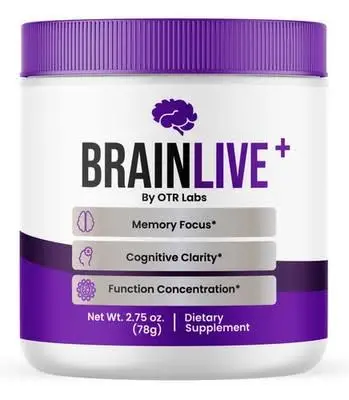
BrainLive is marketed as a memory support supplement that claims to help with brain health, focus, and cognitive function. The product is promoted through online advertisements and long video presentations that suggest it can improve memory and even reverse serious conditions like Alzheimer’s disease and dementia.
These claims have attracted attention from people looking for solutions to memory concerns, but the marketing behind BrainLive raises major questions about its legitimacy.
Does Bill Gates Really Recommend BrainLive?
No. There is no evidence that Bill Gates created, endorsed, or recommended BrainLive memory capsules.
The advertisements promoting BrainLive falsely use Bill Gates’ name and image to make the product appear trustworthy. These types of fake endorsements are a common tactic used by supplement scams to convince consumers that a famous person supports a product.
Bill Gates has not promoted BrainLive as a cure for memory loss, Alzheimer’s, dementia, or “brain rot.”he feel of a mattress, but it cannot completely fix a mattress that has serious problems like broken support layers, deep sagging, or major damage.
BrainLive Scam Warning Signs
The biggest red flag with BrainLive is the way it is marketed.
Many consumers reportedly encounter long video presentations that start by promoting a simple “secret” recipe or natural solution using common household ingredients. The videos are designed to keep viewers watching until the end, where they eventually introduce BrainLive capsules as the product being sold.
This marketing approach is often used in supplement scams because it builds trust before presenting the sales offer.
Other warning signs include:
- Fake celebrity endorsements
- AI-generated videos or deepfake appearances
- Claims of reversing serious medical conditions
- Promises of a hidden discovery ignored by doctors
- Pressure to purchase after watching a long sales presentation
Fake Doctors And Celebrity Claims
The BrainLive promotions have reportedly used fake videos featuring well-known public figures and claimed that famous people helped create or support the product.
Names connected to these false claims include Bill Gates, Dr. Yoshinori Ohsumi, Clint Eastwood, and Lesley Stahl.
However, there is no verified endorsement from these individuals, medical professionals, hospitals, or universities supporting BrainLive.
The claim that a “60 Minutes” investigation featured BrainLive is also false. The program did not report that BrainLive is a breakthrough memory supplement.
Does BrainLive Really Cure Memory Loss Or Dementia?
There is no reliable evidence that BrainLive can cure Alzheimer’s disease, dementia, or reverse age-related memory decline.
Memory problems can have many causes, and anyone experiencing changes in memory should speak with a qualified healthcare professional instead of relying on online supplement claims.
A supplement may contain ingredients marketed for general wellness, but that does not mean it can treat or reverse serious medical conditions.
BrainLive Customer Reviews And Complaints
Online supplement scams often create confusion because some reviews may come from promotional websites rather than independent customers.
One common complaint with similar products is unexpected recurring billing. Some buyers report being charged monthly subscription fees after signing up, sometimes without realizing they agreed to ongoing payments.
Consumers should carefully review checkout pages, terms and conditions, and billing information before entering payment details.
Is BrainLive Legit Or A Scam?
Based on the marketing tactics used, BrainLive shows many warning signs associated with scam supplement offers.
The fake celebrity endorsements, misleading health claims, and AI-generated promotional videos are serious concerns. Consumers should be cautious of any product claiming to be a secret cure for major health conditions while relying heavily on emotional marketing.
A legitimate health product should provide transparent information, realistic claims, and avoid pretending that famous people or medical experts support it when they do not.
What To Do If You Bought BrainLive
If you purchased BrainLive and believe you were misled or charged unexpectedly, contact your bank or credit card company as soon as possible to report the issue and ask about disputing the charges.
Review your bank statements and collect any details connected to the transaction, including company names, phone numbers, and addresses.
You can also report suspected fraud to the Internet Crime Complaint Center at IC3.gov.
What I Think About The BrainLive Supplement
BrainLive memory capsules appear to be promoted using misleading advertising tactics rather than trustworthy medical evidence. The claims involving Bill Gates, celebrity endorsements, and a supposed breakthrough memory cure are major warning signs.
If you or someone you know is dealing with memory concerns, the safest step is to speak with a healthcare professional rather than trusting a viral supplement advertisement.
Conclusion
Before buying any memory supplement online, research the company, check independent reviews, and be careful with products that promise impossible results.
Check out the Beplain Cleansing Oil that I reviewed earlier.