
There is something especially disturbing about scams that target people who are worried about memory loss. When someone is afraid of Alzheimer’s disease, dementia, or simply noticing that they are becoming more forgetful, a promise of a simple natural solution can sound incredibly appealing.
That is where the Memo Honey marketing comes in.
People searching for Memo Honey reviews may come across advertisements and long sales videos claiming that Bill Gates discovered or formulated something called a “Honey Shield” or “Honey Protocol.” The story suggests that a special honey recipe can somehow protect the brain, improve memory, or even help with Alzheimer’s disease and dementia.
But there is a major problem with this story. There is no credible reason to believe that Bill Gates formulated a “honey shield,” created a secret honey protocol for Alzheimer’s disease, or endorsed Memo Honey supplements. The promotional videos appear to use AI-generated or manipulated depictions of recognizable people to make the story look authentic.
After looking into the claims surrounding this offer, I would stay away from Memo Honey. The marketing has too many warning signs, and the supposed celebrity endorsements should not be trusted.
What Is Memo Honey?
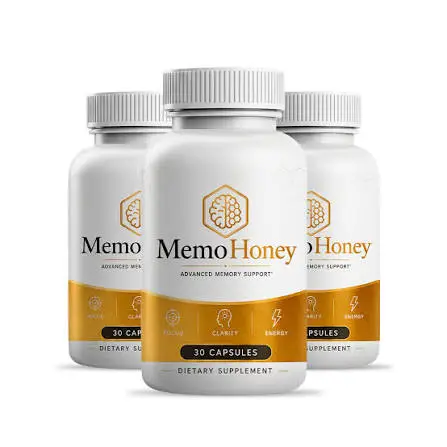
Memo Honey is marketed as a supplement for memory and brain health. The product is presented as a natural solution for people dealing with memory problems, brain fog, and other concerns related to cognitive health. That sounds like something many people would want to try. Nobody enjoys feeling forgetful, and the idea of improving memory with a simple supplement is attractive. The problem begins when the marketing moves beyond general wellness claims and starts suggesting that the product is connected to a secret discovery involving Alzheimer’s disease and dementia. That is where consumers need to slow down.
The Fake “Honey Shield” Story
The phrase “Honey Shield” is one of the biggest hooks used in the Memo Honey campaign. It is presented as though it is a real scientific or medical protocol that people have somehow overlooked. The marketing may make it sound like Bill Gates uncovered a special combination involving golden honey that can help protect the brain. But the name itself does not establish that the protocol exists. Calling something a “shield” or a “protocol” can make it sound scientific, but a catchy name is not medical evidence.
The story appears to be designed to make viewers curious enough to continue watching the sales presentation. Once the viewer accepts the idea that a secret honey discovery exists, the supplement being sold at the end of the video suddenly seems much more believable. That is how the trick works.
Bill Gates Did Not Endorse Memo Honey
The use of Bill Gates is one of the most important red flags in the entire campaign. The marketing reportedly uses AI-generated or manipulated depictions of Gates to make it appear as though he is discussing the supposed Honey Shield or memory solution. That should not be confused with a genuine endorsement.
Artificial intelligence has made it much easier for scammers to create convincing videos of famous people saying things they never actually said.
The fact that a person appears on screen does not mean they participated in the advertisement.
If Bill Gates were genuinely promoting a groundbreaking treatment for Alzheimer’s disease, that would be a major medical story that could be independently verified through legitimate sources.
A random sales video is not enough.
Other Famous People Used in the Videos
The Memo Honey campaign does not appear to rely on only one recognizable face. The marketing has also reportedly used AI-generated depictions of people such as Morgan Freeman and Scott Eastwood, as well as Clint Eastwood and other familiar personalities. Why use so many celebrities?
Because recognition creates trust. A viewer may not know anything about Memo Honey, but they know who Morgan Freeman is. They may not understand the science behind memory supplements, but they recognize Bill Gates. The scammer’s goal is to borrow that trust. It creates the impression that famous and successful people have discovered something the public does not know about. In reality, a celebrity’s face can be copied or manipulated without that person ever being involved.
Is the Honey Shield Real?
This is one of the most important questions to ask when reading Memo Honey reviews.
There is no credible evidence that a special “Honey Shield” protocol created by Bill Gates is a legitimate Alzheimer’s or dementia treatment.
Honey itself is a real food and has been studied for various nutritional and biological properties. But that does not mean a particular honey recipe can prevent, reverse, or cure Alzheimer’s disease or dementia.
This distinction matters.
Scammers often take something familiar, such as honey, turmeric, apple cider vinegar, or another common food, and wrap it in a dramatic medical story.
They may mention scientific studies or use complicated terminology to make the story sound legitimate.
But research on a food or ingredient is not proof that a particular supplement can treat a serious disease.
Memo Honey and Alzheimer’s Claims
The Alzheimer’s angle makes this scam especially troubling.
There is currently no reason to believe that Memo Honey capsules can cure Alzheimer’s disease or dementia simply because the sales presentation says they can.
People dealing with memory problems should be particularly careful about these claims.
Memory loss can have many possible causes, and serious or worsening memory problems deserve proper medical evaluation.
Buying an online supplement because a fake celebrity video promises a cure can delay that process.
It can also cost people a lot of money.
For an older person or someone already worried about their memory, that is a serious risk.
Does Memo Honey Really Work?
Based on the information available, I would not rely on Memo Honey for memory loss, brain fog, Alzheimer’s disease, or dementia.
The marketing claims are not enough to establish that the product works.
I would want to see credible clinical evidence on the actual Memo Honey formula before believing that it can produce meaningful improvements in memory.
That is something consumers should remember with every supplement.
Even if an ingredient has been studied, that does not prove the finished product works.
And even if one person says a supplement helped them remember things better, that does not establish that it can treat a neurological disease.
The bigger the medical claim, the stronger the evidence should be.
Memo Honey Capsules: What’s Actually Being Sold?
Another concern is the physical product itself.
Memo Honey capsules appear to be presented as a specialized brain-health supplement, but the packaging does not prove that the product has any special ability to treat memory problems.
A bottle with an impressive name and a professional-looking label can be produced very easily.
That is why I would pay more attention to the manufacturer, ingredients, dosages, testing, and independent evidence than the design of the bottle.
From the marketing tactics surrounding Memo Honey, the product looks much more like another supplement being pushed through an aggressive sales funnel than a breakthrough Alzheimer’s treatment.
Memo Honey Reviews and Customer Testimonials
You may find positive customer stories when searching for Memo Honey reviews.
Be careful with those.
Testimonials published as part of a sales presentation are marketing material. They are not the same as independent clinical evidence.
A person may genuinely believe that a supplement helped them. That still does not prove the supplement caused the improvement.
Memory is particularly complicated because people’s experiences can change from day to day.
If a company wants consumers to believe that its product can treat Alzheimer’s disease or dementia, the standard should be much higher than a few testimonials.
Watch Out for the Memo Honey Sales Call
There is another part of the Memo Honey purchasing process that deserves attention.
Past data surrounding similar supplement offers indicates that customers who purchase the product may receive a phone call from a salesperson afterward.
The caller may try to sell additional supplements or larger packages.
That can become a problem if the customer does not fully understand what they are agreeing to or if recurring subscription charges are involved.
Someone who initially thinks they are making a small one-time purchase can end up paying much more.
If you buy any supplement online, carefully review your receipt and bank statement afterward.
Look for recurring payments, automatic shipments, memberships, or additional charges that you did not expect.
Memo Honey Scam Warning Signs
Several red flags stand out in this campaign:
- A supposed “Honey Shield” that is presented as a secret discovery
- False or misleading use of Bill Gates in promotional videos
- Apparent AI-generated celebrity depictions
- Use of Morgan Freeman, Scott Eastwood, Clint Eastwood, and other recognizable figures
- Claims involving Alzheimer’s disease and dementia
- A long sales presentation designed to appear educational
- A supplement presented as the solution at the end of the video
- Limited reason to believe the finished product can deliver the promised medical benefits
- Potential sales calls after purchase
- Attempts to upsell additional supplements
- Possible recurring subscription charges
When a memory supplement needs fake celebrity endorsements to sell itself, that is a very good reason to walk away.
Is Memo Honey a Scam?
Based on the marketing tactics described above, I would treat Memo Honey as a scam and avoid buying it.
The biggest issue is not simply that it is a dietary supplement.
It is the story being used to sell it.
The supposed Bill Gates “Honey Shield” does not become real because an AI-generated video makes it look convincing. The appearance of Morgan Freeman or another famous person does not prove that they endorsed the product either.
The Alzheimer’s and dementia claims make the situation even more serious because people may make decisions about their health based on completely fabricated information.
A supplement seller should not need to impersonate famous people to convince customers that its product works.
What Should You Do If You Already Bought Memo Honey?
If you already purchased Memo Honey, check your bank or credit card statement for additional charges. Pay particular attention to recurring payments or charges for products you did not knowingly order. If you notice something suspicious, contact the company and request cancellation, but keep records of every communication.
You should also contact your bank or card provider if you believe an unauthorized transaction occurred and ask what options are available.
Keep your order confirmation, emails, receipts, text messages, and screenshots of the sales page. Those records can be useful if you need to dispute a transaction.
And if someone calls offering another supplement, do not feel pressured to buy it.
Avoid the Memo Honey Offer
So, is Memo Honey legit?
I would say no, I would not trust this offer.
The supposed Bill Gates “Honey Shield,” “Honey Protocol,” and secret honey recipe are presented in a way that makes them sound like legitimate medical discoveries, but there is no good reason to believe that Bill Gates created or endorsed such a treatment or that he endorsed Memo Honey capsules.
The apparent use of AI-generated versions of Bill Gates, Morgan Freeman, Scott Eastwood, Clint Eastwood, and other recognizable people is another major warning sign.
If you are searching for Memo Honey reviews, my advice is to stay away from the sales offer.
Conclusion
Do not let a convincing AI video make you believe that a celebrity has discovered a secret cure for Alzheimer’s disease or dementia.
Memory problems deserve real medical attention, not a miracle recipe from a fake video.
The technology behind deepfake videos may be impressive, but that does not make the story being told in the video true. When someone’s health and money are at stake, it is worth taking a step back, checking the source, and looking for real medical evidence before buying anything.
Check out the Frownies Patch I reviewed earlier.