
I keep seeing the same trick dressed up in slightly different clothing, and the latest version uses the name of Dr. Dale Bredesen to sell something called Harm Brain.
The pitch sounds convincing at first. There is a long video. There are impressive health claims. There is a supposed breakthrough involving rosemary and honey. There are familiar faces appearing to support the story. And because the entire presentation is aimed at people worried about memory loss, Alzheimer’s disease, or dementia, it can feel especially believable.
But there is a problem with the whole thing.
Dr. Dale Bredesen did not create a “honey shield,” “honey protocol,” rosemary recipe, or Alzheimer’s cure for Harm Brain. He did not endorse Harm Brain supplements.
The videos using his likeness are part of the deception, so if you’re here because you searched for Harm Brain reviews, please read this before ordering anything.
This isn’t a review where I’m going to tell you that Harm Brain might work and leave you guessing. After looking into the claims and the way this product is being promoted, I would not buy it.
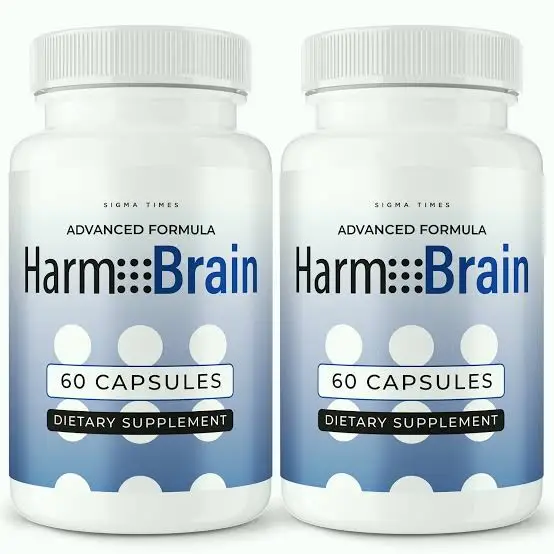
What Is the Harm Brain Scam?
Harm Brain is presented as a brain-health supplement, but the way people are being introduced to it is much more concerning than an ordinary supplement advertisement.
The scam starts with an advertisement, you might see it while playing a mobile game, scrolling through social media, reading a news article, or browsing another completely unrelated website.
The advertisement catches your attention with a frightening subject: memory loss, Alzheimer’s disease, dementia, or the possibility of losing your independence as you get older.
From there, you’re directed to a long sales video, and this is where the story becomes elaborate.
The video allegedly explains a hidden breakthrough involving rosemary, honey and brain health, while presenting what appears to be a medical expert explaining why this supposed discovery works. The name being used to give the presentation credibility is Dr. Dale Bredesen, but that endorsement isn’t real.
Dr. Dale Bredesen Did Not Endorse Harm Brain
This is the part I really want people to understand.
Dr. Dale Bredesen is a physician and researcher known for his work and theories concerning cognitive decline and Alzheimer’s disease.
That does not mean he endorsed this product, the Harm Brain advertising uses unauthorized AI-generated depictions of Bredesen to make it appear as though he is personally explaining or recommending the product.
He isn’t, the scammers have essentially taken a recognizable medical professional and put words into his mouth.
And it’s particularly disturbing because someone watching this presentation may not realize that what they’re seeing isn’t a genuine interview or endorsement.
There Is No Secret “Honey Shield” Alzheimer’s Cure
The sales presentation also pushes language about a “honey shield” or “honey protocol.”
It sounds scientific enough to make you pause, then comes the rosemary recipe.
The story suggests that this simple combination can somehow protect the brain or reverse the processes associated with Alzheimer’s and dementia, there is no legitimate reason to believe that a viral sales presentation has suddenly uncovered a secret Alzheimer’s cure that medical professionals have somehow failed to tell patients about.
And if someone truly discovered a treatment capable of reversing Alzheimer’s disease, that would be a major medical development. It would not need to be sold through a suspicious video filled with celebrity appearances and a supplement checkout page.
The Rosemary Story Is Designed to Sound Familiar
This is clever marketing because rosemary itself isn’t some strange, frightening ingredient, most people have heard about rosemary. It’s a common herb. You can buy it at a grocery store.
So when someone says there is a “natural” rosemary recipe for memory, it doesn’t immediately sound ridiculous, but there’s a massive difference between studying an ingredient and proving that a particular recipe can prevent, reverse or cure Alzheimer’s disease. Those things aren’t interchangeable.
The Harm Brain presentation takes that gap and turns it into a sales pitch.
Look Closely at the People Appearing in the Video
This is another reason I consider the Harm Brain promotion such a serious scam.
The video doesn’t rely on Dr. Bredesen alone.
It reportedly uses unauthorized AI depictions of several recognizable people, including “60 Minutes” correspondents, Bill Gates, Steve Martin, Michael Caine, Morgan Freeman and Jane Pauley.
Think about how powerful that is psychologically, a person watching the video sees one famous person after another apparently discussing the same breakthrough. It creates the impression that everybody knows about this, it makes the product feel established, it makes the viewer think, Surely this many famous people couldn’t all be involved if it weren’t legitimate.
But that’s exactly the trick, they aren’t endorsing Harm Brain. Their likenesses are being used to manufacture credibility.
Why the Fake Celebrity Endorsements Matter
I don’t care how convincing an AI-generated video looks, a fake endorsement is still a fake endorsement, it doesn’t become legitimate because the voice sounds right, it doesn’t become legitimate because the face looks right. And it certainly doesn’t become legitimate because the video has been edited to look like a television news segment.
This is one of the biggest warning signs I look for in supplement scams now, when a product needs fake appearances from doctors, celebrities, television journalists or billionaires to convince people to buy it, there’s a very good reason to question what the company is actually selling.
The Fake “60 Minutes” Connection
The use of familiar television branding is another clever part of the presentation, a long-form video can be made to resemble a serious investigative television report. That gives the viewer the feeling that they’re watching journalism rather than an advertisement, but don’t confuse the appearance of a news program with an actual news report. The scammers are borrowing the credibility people associate with established media, that’s why you should never assume a video is genuine simply because it looks like a television interview.
Is Harm Brain Legit?
No. I would not consider Harm Brain a legitimate Alzheimer’s treatment or a trustworthy supplement based on the way it is being marketed, the unauthorized use of Dr. Dale Bredesen’s likeness is enough to make me walk away.
Add the fake celebrity appearances, the supposed rosemary and honey breakthrough, the dramatic Alzheimer’s claims and the long sales video, and the pattern becomes very familiar, this isn’t how legitimate medical breakthroughs are normally presented.
It’s how a high-pressure supplement funnel is presented.
The Sales Funnel Doesn’t End With the First Purchase
There is another part of this that worries me, especially for older people.
According to my research into the Harm Brain sales process, people who place an order may receive a phone call from a salesperson afterward, and the purpose of that call may be to sell additional supplements, this is known as an upsell.
You think you’ve finished your purchase, and then somebody calls offering another product that supposedly works even better or is necessary to get the full benefit, and then costs can start climbing.
Watch for Recurring Charges
This is something I would pay very close attention to before entering payment information.
Some supplement sales funnels use recurring subscriptions or additional charges that customers don’t fully understand when they’re placing the original order.
I’m not saying every Harm Brain buyer will automatically receive the same charge. But the possibility of recurring billing is exactly why I would read the checkout page extremely carefully. Look at the final price, look for words such as subscription, membership, recurring, monthly, auto-renewal or continuity program.
And don’t assume the price mentioned at the beginning of a sales video is the amount you’ll ultimately pay. if the company is asking you to enter your card details before you’ve clearly understood what you’re purchasing, that’s a good time to stop.
Why Older People Are Particularly Vulnerable to This Scam
This is the part that makes me angry, the scam isn’t selling a meaningless novelty product.
It’s targeting something people are genuinely afraid of, memory loss is frightening, nobody wants to watch a parent, spouse or grandparent struggle with dementia.
Someone who has recently noticed memory problems may be desperate for something that gives them hope, that’s exactly the emotional state these advertisements exploit. They don’t need you to understand neuroscience, they need you to be scared enough to believe that you’ve found a treatment doctors supposedly don’t want you to know about.
That’s a very different thing.
Harm Brain Is Not a Substitute for Alzheimer’s Treatment
Please don’t make the mistake of treating this product as an Alzheimer’s cure.
If you or someone you love is experiencing memory problems, there are legitimate medical avenues for evaluation and treatment, a supplement advertised through an AI-generated video should never replace that process.
And be especially suspicious of anybody claiming that Alzheimer’s disease can be reversed with one secret recipe that costs a few dollars, real medical conditions are complicated.
There isn’t a magic bottle waiting to fix everything.
Why I Believe Harm Brain Is a Rebranded Scam Product
One thing that stood out during my research is how familiar this entire formula feels, the names change, the bottle changes, the supposed “discovery” changes. But the sales strategy stays remarkably similar, first, scare people about a serious health problem, then introduce a secret natural solution.
Next, bring in a doctor who appears to endorse it, add celebrities, add a fake news-style presentation, tell viewers that the medical establishment doesn’t want them to know about it, create urgency, then send them to a checkout page for supplements.
That’s not how I want anyone making health decisions, and Harm Brain fits that pattern far too closely.
Don’t Confuse Reviews With Proof
You may find glowing Harm Brain reviews claiming that people feel sharper, remember more, or have experienced dramatic improvements, be careful with those reviews. A personal story doesn’t establish that a supplement treats Alzheimer’s disease, and when the product is already being promoted through deceptive-looking videos and unauthorized celebrity endorsements, I wouldn’t use testimonials from the same sales funnel as proof that it works.
What matters is reliable evidence, not a stranger saying a bottle changed their life.
What I Think About Harm Brain
Harm Brain is not something I would recommend buying, the biggest warning sign isn’t even the supplement itself, it’s the way the product is being sold. The advertising uses unauthorized AI depictions of Dr. Dale Bredesen and other recognizable figures to create the appearance of medical and celebrity support. The sales video promotes a supposed honey shield, honey protocol and rosemary-based Alzheimer’s solution that Dr. Bredesen did not create or endorse, then there is the aggressive supplement sales funnel, including reports of follow-up calls designed to sell additional products and concerns about recurring charges.
That’s too many red flags for me.
Conclsion
Dr. Dale Bredesen did not endorse Harm Brain, and the supposed rosemary-and-honey Alzheimer’s cure being promoted through these advertisements should not be confused with legitimate medical treatment.
What makes this scam particularly ugly is the audience it targets. These advertisements aren’t simply trying to sell somebody another vitamin. They’re reaching people who are frightened about losing their memory or watching someone they love lose theirs.
That deserves better than an AI-generated sales pitch.
So if you’re searching for Harm Brain reviews or wondering whether Harm Brain is a scam, my advice is simple: don’t give this sales funnel your money or your trust. If you’ve already entered your payment information, keep an eye on your statements for unexpected or recurring charges, and don’t agree to additional supplements just because someone calls claiming they’re necessary.
When a product has to borrow a doctor’s face, fake a television appearance and invent a miracle cure to make the sale, that’s all the information I need.
Check out the Frownies Patch I reviewed earlier.