
If you have come across Neuro Recall while searching for a memory supplement, Alzheimer’s treatment or something that might help with dementia, I would be very careful about the advertisement you are looking at. The reason is not simply the product name. The bigger problem is the sales presentation being used to promote it, particularly videos that appear to show Elon Musk talking about a supposed breakthrough in Alzheimer’s and dementia treatment.
The video is made to look like a major discovery has been made with artificial intelligence, and it reportedly brings in names such as Bill Gates, Anthony Hopkins, Tom Hanks, Dr. Mehmet Oz, Dr. Phil McGraw and Dr. Sanjay Gupta to make the story sound even more convincing. The presentation is then connected to Neuro Recall, leaving viewers with the impression that a group of famous people, doctors and technology experts have somehow uncovered a secret method for reversing memory loss.
I would not take that presentation at face value. There is a well-documented history of scammers using fake celebrity endorsements, manipulated video and fake news-style websites to sell health products. The FTC has specifically warned that AI-generated or doctored celebrity videos can look and sound remarkably convincing even when the person being shown never endorsed the product.
What Is the Neuro Recall Scam?
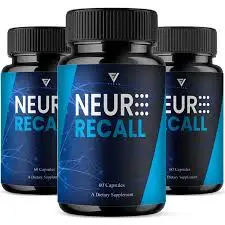
The Neuro Recall promotion appears to use a familiar but increasingly sophisticated online sales trick. Instead of showing an ordinary supplement advertisement, the page is presented more like a breaking news story or an exclusive television report. The viewer is led to believe that a major media organization has uncovered a medical breakthrough and that Elon Musk, Bill Gates or other well-known figures are connected to the discovery.
The supposed news story then moves into a sales presentation for Neuro Recall.
That setup matters because people are much more likely to trust something that looks like independent journalism than a page that openly says it is selling a supplement. The FTC has previously taken action against marketers who used fake news and magazine websites, celebrity names and fabricated endorsements to promote dietary supplements. In one case, the agency said the marketers created more than 40 variations of deceptive promotions and used look-alike websites designed to resemble legitimate media organizations.
So when a Neuro Recall advertisement appears to be a Daily Wire article, television segment or news investigation, I would not assume that the real publication produced it. The appearance of a familiar logo or news layout can be part of the sales funnel.
Did Elon Musk Really Endorse Neuro Recall?
This is probably the question most people have after seeing the video.
There is no credible evidence that Elon Musk has endorsed Neuro Recall as an Alzheimer’s or dementia treatment. The video described in these promotions appears to use AI manipulation to make it look as though Musk is speaking about the product or the supposed discovery behind it.
That is exactly the sort of advertising consumers need to be cautious about now. The FTC says scammers are using doctored video and audio to create fake celebrity and influencer endorsements, and the agency recommends independently checking whether the person actually endorsed the product before buying.
A convincing deepfake does not become genuine simply because the face, voice and lip movements look realistic. In fact, that is what makes these scams so effective. A few years ago, a badly edited celebrity video might have been easy to spot. Today’s AI-generated material can be much harder for an ordinary viewer to recognize, especially when the video is surrounded by a convincing-looking news page.
The Fake Daily Wire Story Is Part of the Sales Funnel
Another thing that caught my attention is the alleged use of a website designed to resemble The Daily Wire.
This is a particularly effective trick because the page does not immediately feel like an advertisement. It can look like something you stumbled across while reading the news, complete with a headline, photographs, a video presentation and references to famous people. By the time the page begins talking about Neuro Recall, the viewer may already feel that the product has been investigated by a trusted media organization.
But legitimate journalism and an advertisement disguised as journalism are two very different things.
The FTC has previously described this exact type of marketing as deceptive “faux” news or magazine advertising. In enforcement cases, marketers used websites that mimicked real publications and inserted fake celebrity endorsements into the articles. The agency said consumers were then directed from those pages into supplement sales funnels.
That is why I would not use the appearance of The Daily Wire, CNN, Fox News, CBS, NBC or any other recognizable media brand as proof that Neuro Recall has been independently reviewed.
Why Are So Many Famous Names Mentioned?
The list of names attached to this promotion is another part of what makes the story sound believable.
Elon Musk and Bill Gates are both widely associated with technology and innovation. Anthony Hopkins and Tom Hanks are household names. Dr. Oz, Dr. Phil and Dr. Sanjay Gupta are recognizable television personalities who have spent years discussing health-related topics in public.
Putting all of these names into the same story creates the impression that Neuro Recall has somehow been validated from several different directions. A viewer might think, “If all these people are talking about it, there must be something to it.”
That is precisely why fake endorsements work.
The FTC has brought cases involving dietary supplements where marketers falsely claimed that celebrities or experts endorsed their products. One case involving cognitive supplements alleged the use of sham news websites, nonexistent clinical studies and fraudulent celebrity and consumer endorsements. The products were sold under multiple names, including Geniux, Xcel, EVO and Ion-Z.
That last detail is worth remembering because the same underlying marketing operation can sometimes appear online under different product names.
Does Neuro Recall Really Reverse Alzheimer’s or Dementia?
I would be extremely skeptical of any advertisement promising that Neuro Recall can reverse Alzheimer’s disease, dementia or serious memory loss.
The FTC states plainly that there is no scientific cure for Alzheimer’s disease and dementia, and warns that products sold as dietary supplements are not evaluated by the FDA for safety and effectiveness before being marketed. It also warns that unproven memory products can interact with medications or cause people to delay proven medical care.
That does not mean every ingredient found in a memory supplement has no nutritional or research interest. It means that an ingredient being studied for memory, concentration or general cognitive health is very different from proving that a finished supplement can reverse Alzheimer’s disease.
A dramatic video about an alleged breakthrough does not provide that evidence.
If Neuro Recall were genuinely capable of reversing Alzheimer’s or dementia, that would be an extraordinary medical claim requiring extraordinary evidence. I would want to see identifiable researchers, legitimate clinical research, published results and independent medical sources before taking such a claim seriously.
Neuro Recall Reviews and the Problem With the Sales Page
There is also something else consumers should keep in mind when searching for Neuro Recall reviews online: not every page that calls itself a review is actually independent.
The current NeuroRecall website presents the product as a cognitive-support supplement and advertises ingredients including Ginkgo Biloba, Bacopa Monnieri, L-Theanine, Vitamin B12, Phosphatidylserine and Rhodiola Rosea. It also displays customer testimonials, a 4.8-star rating and a 60-day money-back guarantee.
Those claims are different from the much more dramatic allegations made in the fake Elon Musk-style advertisements. A product page saying that a supplement supports memory and focus is one thing; a fake news presentation suggesting that Elon Musk or Bill Gates discovered a secret protocol for reversing Alzheimer’s is something else entirely.
That is why I would not lump every Neuro Recall listing on the internet together. The name appears across different online storefronts and formulations, and one current review source notes substantial differences between listings, including differences in ingredients and labeling.
If you are considering buying it, check the exact website, ingredients, seller, billing terms and return policy connected to the particular offer you saw. The name on the bottle alone may not tell you who is actually behind the advertisement.
Could Neuro Recall Put You Into Monthly Charges?
This is another reason to read the checkout page carefully instead of focusing only on the advertised bottle price.
There is a documented history of online supplement marketers using “free” or discounted offers to obtain credit card details and then enrolling consumers into recurring shipments or monthly billing programs. In a major 2017 case, the FTC alleged that supplement marketers used fake celebrity endorsements and fake news sites while enrolling consumers in automatic shipment programs without their express consent.
The FTC has also brought a separate case involving the diabetes supplement Nobetes in which marketers were accused of making deceptive health claims and charging consumers for additional shipments after obtaining their card details for an initial offer.
That history does not prove that every Neuro Recall order automatically creates a recurring charge, so I would not state that as a fact without seeing the terms attached to the particular checkout page. What it does show is why consumers should look carefully for subscription language, automatic shipment terms and recurring billing before entering their card information.
If you already ordered and see charges you did not authorize, contact your bank or card issuer promptly and ask about disputing the transaction and preventing additional charges.
The “100% Money-Back Guarantee” Does Not Settle the Matter
A money-back guarantee can sound reassuring, especially when someone is being asked to spend a significant amount of money on a supplement. But the words on a sales page are not the same thing as actually receiving a refund.
There have been numerous FTC cases involving online supplement sellers where consumers complained about billing practices, cancellation problems or difficulty obtaining refunds. In the 2017 enforcement action involving fake celebrity and news-site promotions, the agency alleged that consumers were enrolled in automatic programs and charged without proper consent.
So if an advertisement says “100% money back,” I would still save a copy of the terms before ordering. Keep your confirmation email, receipt and screenshots of the offer. If you later need to challenge a charge, those records can be much more useful than trying to remember exactly what the sales page said.
Why Does the Neuro Recall Scam Keep Changing Names?
This is one of the stranger parts of these online supplement campaigns. A person can search for one product name today and find a completely different name tomorrow while encountering essentially the same style of advertisement.
That does not automatically mean every similarly marketed supplement comes from one company, but there is a documented reason to be alert to this pattern. The FTC has described supplement operations that marketed products through multiple names and used affiliate marketers, fake news sites and fabricated endorsements to drive sales. The Geniux case, for example, involved products marketed under several different names.
That is why searching only for “Neuro Recall reviews” may not tell you the whole story. Look at the seller, website, checkout page, contact details and terms connected to the exact advertisement you encountered.
What Should You Do If You Already Bought Neuro Recall?
If you bought Neuro Recall because you believed Elon Musk, Bill Gates or a medical expert had endorsed it, save the advertisement if you still can. Take screenshots of the page, keep the order confirmation and write down exactly what you were charged. If you received a confirmation showing a subscription or additional products, save that as well.
If the charge was unauthorized or the seller did not provide what you believed you were purchasing, contact your bank or credit card company and explain the situation. Ask what options are available for disputing the charge and stopping future payments.
I would also avoid relying on an online seller’s claims about Alzheimer’s, dementia or memory loss as a reason to stop prescribed treatment. The FTC specifically warns that unproven products marketed for memory conditions can delay appropriate medical care, and it recommends speaking with a healthcare professional before taking a new supplement.
Conclusion
After looking at the way Neuro Recall is being promoted, I would not trust the Elon Musk video or the supposed Daily Wire news presentation as evidence that this supplement can reverse Alzheimer’s or dementia.
The important point is that the scam does not need to invent Elon Musk as a person. Elon Musk is real. Bill Gates is real. Anthony Hopkins, Tom Hanks, Dr. Oz, Dr. Phil and Dr. Sanjay Gupta are all real people. The trick is to take recognizable names and images and place them into a story they did not actually create or endorse.
That is why these advertisements can be so convincing. The viewer sees a familiar face, hears a familiar voice and lands on a page that looks like a legitimate news website. By the time the supplement offer appears, the sales pitch may already feel like the conclusion of a news investigation rather than an advertisement.
The FTC has repeatedly documented this general pattern: fake celebrity endorsements, deceptive news-style websites, unsupported health claims and recurring billing have all appeared in enforcement cases involving online supplements.
So if you searched “Neuro Recall scam,” I would not make a purchase because of that video.
The supposed Elon Musk endorsement is not a reliable reason to buy the product, and the claim that artificial intelligence uncovered a secret way to reverse Alzheimer’s or dementia should not be accepted without genuine medical evidence. A convincing AI video can make an advertisement look authentic, but it cannot turn an unsupported health claim into a proven treatment.
Check out Mansculpt wave therapy plus that I talked about earlier.