
SodaTide have started showing up around a supposed weight loss trick involving baking soda, and the marketing behind it is designed to make the whole thing look much more credible than it really is. I looked into the websites, videos and sales presentations being used to promote SodaTide and similar products, and what I found is not a secret weight loss recipe or some new breakthrough discovered by television doctors. The pitch revolves around a familiar online scam: get people interested in a simple homemade remedy, keep them watching a long video, and then reveal a supplement for sale at the end.
What makes this particular scheme especially convincing is the way it borrows familiar names and recognizable television branding. People searching for a baking soda recipe for weight loss can be taken to pages that look like legitimate news or morning-show websites, including pages made to resemble the Today show. The videos then use manipulated or AI-generated footage involving celebrities and well-known medical personalities such as Kelly Clarkson, Oprah Winfrey, Dr. Mehmet Oz, Dr. Phil McGraw and Dr. Sanjay Gupta. Seeing a famous person apparently discussing a health product can make the offer feel legitimate, but that does not mean the person actually endorsed SodaTide or participated in the promotion.
The Fake Baking Soda Recipe Is the Hook
The part that caught my attention is the way the supposed baking soda remedy is used to get people into the sales funnel. Someone might search Google for a baking soda weight loss recipe because they have heard that combining ordinary household ingredients could help them lose weight. Instead of finding a straightforward explanation, they can end up on a page promising a secret formula that doctors and celebrities supposedly do not want people to know about.
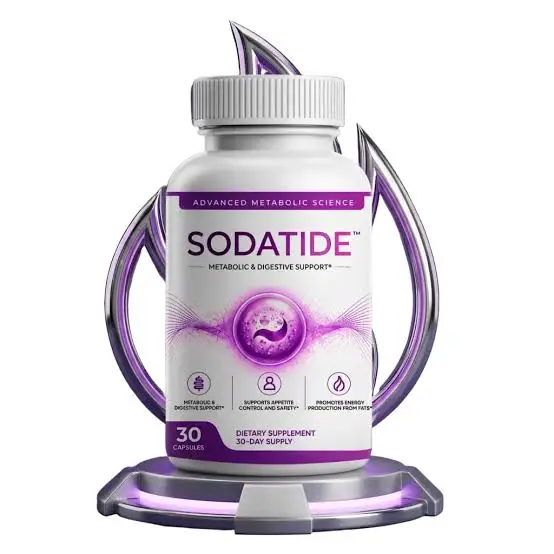
The video can run for a surprisingly long time, building a story around metabolism, belly fat, aging and supposedly hidden research. The viewer is encouraged to keep watching because the ingredients or recipe are supposedly going to be revealed at the end. But instead of finishing with some magical baking soda mixture that will melt away unwanted weight, the presentation eventually changes direction and introduces bottles of SodaTide or another product being sold under a similar name.
That is the part that makes the whole thing worth looking at closely. The baking soda story gets the click, while the supplement becomes the actual product being sold. There is no credible reason to believe that watching a lengthy video presentation can turn a normal baking soda recipe into a proven weight loss treatment.
SodaTide Reviews and the Celebrity Videos
Another major part of the SodaTide marketing is the use of familiar public figures. Kelly Clarkson, Oprah, Dr. Oz, Dr. Phil and Dr. Sanjay Gupta are recognizable names, which is exactly why they are useful to scammers trying to make a questionable product appear trustworthy. A viewer who sees a celebrity apparently talking about a health breakthrough may assume the endorsement is genuine without stopping to investigate where the video came from.
AI technology has made this much easier. A person’s face and voice can be manipulated to make it appear that they said something they never actually said. Sometimes the editing is obvious when you know what to look for, while other videos are convincing enough that someone watching casually could easily believe the story.
I want to be clear about something here: a video showing a celebrity talking about SodaTide is not proof that the celebrity endorses it. The same applies to screenshots, fake interviews and websites designed to resemble established television or news outlets. The appearance of a familiar brand does not establish that the real organization had anything to do with the advertisement.
Why the Fake Today Show Website Matters
The fake Today show-style pages are another part of the setup that deserves attention. Scammers understand that people are more likely to trust a product if it appears to have been featured by a major television program. Instead of simply running an advertisement saying “buy these pills,” the sales funnel creates the impression that viewers have stumbled across an important health story that mainstream television has uncovered.
That can make the product feel like something consumers were not supposed to know about. The page may contain familiar-looking logos, photographs, video clips and claims about doctors or celebrities. But a page looking like a television website does not make it an official page from that television network.
Once the viewer accepts the story, the sales pitch becomes much easier. By the time SodaTide is introduced, the person watching may already believe they have discovered a legitimate medical secret rather than an advertisement designed to sell supplements.
What Is SodaTide Supposed to Do?
SodaTide is presented as a weight loss product in this marketing funnel, with the surrounding sales material suggesting that the product can help people lose weight by targeting the underlying causes of stubborn body fat. The exact wording and product names can change because this type of promotion does not always stay with one brand.
That is something I would pay attention to if you come across SodaTide reviews online. The product name itself may not be the most useful thing to investigate because the same basic sales approach can appear under different supplement names. One website may promote SodaTide while another presents a different bottle and a slightly different story, but the advertising structure can remain remarkably similar.
This is also why searching only for the product name may not tell you the whole story. Someone looking for “SodaTide reviews” might find several pages discussing the product without realizing that they are looking at different versions of the same type of marketing operation.
The Brazil Connection and U.S. Call Center
Another part of my investigation that stood out was the connection between these products and Brazil, along with the involvement of a U.S.-based call center in the sales process. That does not automatically prove that every individual or company involved is fraudulent, but it does make it harder for an ordinary customer to determine exactly who is behind the product and where the business is actually operating.
That matters when you are buying a health supplement online. Consumers should be able to determine who is selling the product, where the business is located, how customer service can be reached, and where returns need to be sent if something goes wrong. When those details are difficult to establish, I would not rely on the polished sales video to fill in the gaps.
The marketing may look enormous, with professional-looking videos, celebrity footage and a long sales presentation, yet the people responsible for the promotion can remain surprisingly difficult to identify. That is not the kind of transparency I would expect when buying something that is being marketed as a weight loss supplement.
Is SodaTide Legit or a Scam?
Based on the marketing tactics I investigated, I would not treat SodaTide as a legitimate “secret baking soda weight loss recipe” discovered by Kelly Clarkson, Oprah, Dr. Oz, Dr. Phil or Dr. Sanjay Gupta. The celebrity footage, fake television-style pages and bait-and-switch sales presentation are the biggest reasons I would stay away from the offer.
The bigger issue is that SodaTide is not the only name being used in this type of promotion. Similar weight loss products can appear with different names, different bottles and slightly different stories, while the underlying sales funnel remains much the same. That makes it easy for a product to disappear and another one to take its place when people start posting negative reviews.
I also would not assume that a product is safe or effective simply because the sales page talks about doctors, television appearances or scientific research. Those things need to be independently verified. A supplement company can make impressive claims in a video, but the claims themselves are not evidence that the product will produce the promised weight loss.
Conclusion
After looking into the SodaTide marketing, I would not buy it based on the viral baking soda videos or the celebrity presentations being circulated online. There is no reason to believe that Kelly Clarkson, Oprah, Dr. Mehmet Oz, Dr. Phil McGraw or Dr. Sanjay Gupta secretly discovered a baking soda formula that has been hidden from the public, and manipulated videos should not be treated as genuine endorsements.
What makes this scam particularly effective is that it does not initially look like a supplement advertisement. It starts with something people are already curious about, a simple baking soda recipe for weight loss, and turns that curiosity into a long video presentation. By the time the product appears, the viewer has already spent time listening to a story designed to build trust.
If you came across SodaTide because you were searching for honest SodaTide reviews, be careful about relying on the promotional pages themselves. Look beyond the celebrity videos, check who actually operates the website, examine the company’s contact and return information, and be skeptical of any advertisement that depends on a famous person supposedly revealing a secret weight loss trick. The product name can change, the website can change and the celebrity used in the video can change, but the basic sales tactic can remain the same.
For me, the biggest problem is not simply whether a bottle of capsules or gummies contains any particular ingredient. It is the way the product is being presented to consumers in the first place. When a supposedly groundbreaking weight loss discovery depends on fake television pages, manipulated celebrity videos and a secret recipe that eventually turns into a supplement sales pitch, there is plenty of reason to walk away rather than hand over your money.
Check out Mansculpt wave therapy plus that I talked about earlier.