
HoneyFil for Men is being promoted online as a male performance supplement, but the advertising I found surrounding this product is a lot more concerning than the usual exaggerated supplement claims. The sales videos use AI-generated and manipulated footage of famous people, including Elon Musk, Joe Rogan, Bill Gates, Dr. Oz, Harrison Ford and Dwayne “The Rock” Johnson, to create the impression that these celebrities are connected to the product. They are not. The videos are made to look like genuine interviews or endorsements, but the celebrity appearances are being used as part of the sales pitch rather than coming from the people shown in them.
What makes the HoneyFil for Men scam particularly sneaky is that the supplement is not always presented as a supplement right away. Instead, the video starts with a supposedly simple honey recipe that is claimed to have remarkable effects on male performance. That recipe is the hook. You are encouraged to keep watching because the video suggests that you are about to learn a secret that doctors, celebrities or wealthy people supposedly already know. After sitting through the presentation, however, the story eventually turns into a sales pitch for bottles of HoneyFil for Men.
That is a very different thing from discovering a genuine home remedy. The recipe is being used to get people into a sales funnel, and once they are there, the goal is to sell them a supplement package.
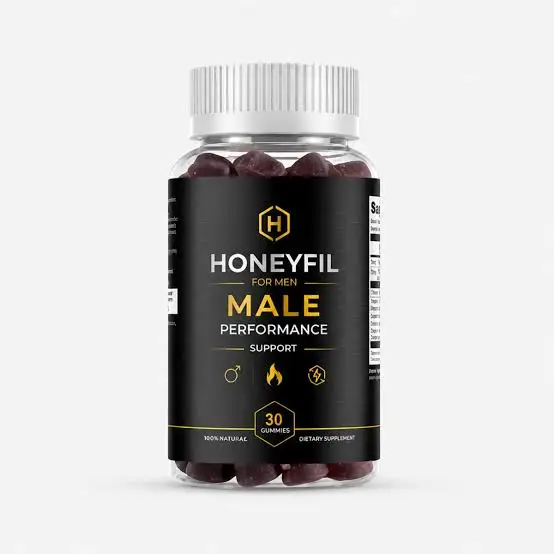
HoneyFil for Men Reviews and the Fake Celebrity Videos
The celebrity videos are probably the easiest part of the promotion to notice once you know what you are looking at. Elon Musk, Joe Rogan, Bill Gates, Dr. Oz, Harrison Ford and The Rock are all recognizable names with enormous public profiles, so putting their faces into a health advertisement immediately gives the product an appearance of credibility. The problem is that an appearance in a video does not mean the person actually endorsed HoneyFil for Men.
AI deepfake technology has made this kind of advertising much easier to produce. A convincing-looking face, an imitation voice and carefully edited footage can make it appear that someone is recommending a product when they have never done so. The viewer may not realize what is happening, particularly when the video is surrounded by a website designed to look like a legitimate news story or interview.
I would be especially careful with any HoneyFil for Men review or advertisement that tells you one of these celebrities discovered, recommended or personally used the product. A celebrity endorsement should be independently verifiable. A video on a sales page is not independent proof, especially when the entire purpose of that page is to get you to place an order.
The Fake Honey Recipe Is What Gets You Into the Funnel
The honey recipe is another important part of the setup. There is nothing unusual about people being interested in natural remedies for male performance. Honey is a familiar ingredient, and the idea that combining it with a few other ingredients could produce some powerful result sounds simple enough to make people curious.
The problem begins when that curiosity is deliberately turned into a long sales presentation. The video suggests that the recipe is going to reveal the secret, keeps the viewer watching through a series of health claims, and eventually introduces HoneyFil for Men as the solution. At that point, the viewer who came looking for a recipe is no longer simply watching a health video. They have been moved into a supplement sales funnel.
This is one reason I would not judge HoneyFil for Men simply by looking at the bottle or reading the ingredients listed on a sales page. The way a product is marketed matters too. When a supposed natural recipe is used primarily as a path toward buying a supplement, it raises questions about what the advertisement is actually trying to accomplish.
The Monthly Auto-Ship Problem
Another issue reported with this type of offer is the way the ordering process can be structured. Instead of making one straightforward purchase, consumers may be presented with recurring bottle packages or offers that result in additional monthly charges. Some buyers may not realize they have agreed to recurring shipments until another charge appears on their card.
This is where a cheap-looking first order can become much more expensive. A customer might think they are simply buying a bottle or taking advantage of a special package, only to discover later that the transaction was connected to a monthly auto-ship arrangement. Hidden fees, additional charges and difficulties cancelling the order can turn what appeared to be a simple supplement purchase into a much bigger problem.
Refunds can create another headache. If a company makes the cancellation process difficult or refuses to issue a full refund after a customer has tried to return the product, the original price of the bottle becomes less important. The real issue becomes how much money the customer can ultimately recover.
Why You May Not Find a Clear Company Behind HoneyFil
Something else that bothers me about these offers is how difficult it can be to work out who is actually behind the promotion. A legitimate business selling a product directly to consumers should not make it unnecessarily difficult to establish who operates the company, where it is located and how customers can contact it.
With HoneyFil and similar male enhancement products, the advertising can look extremely polished while the information behind the advertisement is surprisingly difficult to pin down. You may see professional videos, dramatic testimonials and celebrity footage, yet have trouble finding a straightforward business address or identifying the people responsible for the promotion.
That is not something I would overlook when buying a product that is going to be charged to my card. If I cannot clearly establish who I am buying from, where the business is located and what happens if I need a refund, I have very little reason to trust the sales pitch.
HoneyFil for Men Is Not the Only Name Being Used
One of the biggest things to understand about this operation is that HoneyFil for Men may not be the only product name you encounter. Similar advertisements can use different supplement names, different bottles and different celebrity deepfakes while following almost exactly the same basic formula.
That is why searching for “HoneyFil for Men reviews” may not give you the complete picture. The name can change, the website can disappear and another product can take its place. The same fake honey recipe, celebrity video and recurring-payment sales strategy can then be used again under a completely different brand.
So if you have seen another male performance supplement promoted with Elon Musk, Joe Rogan, Bill Gates, Dr. Oz or another celebrity supposedly revealing a secret recipe, I would not automatically assume it is a separate and unrelated product. Look at how the advertisement works, who operates the website and what happens when you try to find a real company behind the offer.
Is HoneyFil for Men Legit or a Scam?
Based on the advertising tactics described above, I would not consider the HoneyFil for Men promotion trustworthy. The use of AI-generated celebrity endorsements, the fake honey recipe used as a sales hook and the recurring-bottle offers are serious reasons to avoid handing over payment details based solely on the video.
The celebrity names are particularly misleading because they create an impression of authority that the product has not earned on its own. Elon Musk, Joe Rogan, Bill Gates, Dr. Oz, Harrison Ford and Dwayne Johnson are not evidence that HoneyFil works simply because their likenesses appear in an advertisement. If the footage is manipulated, then the supposed endorsement is part of the marketing rather than an independent recommendation.
I also would not assume that every HoneyFil for Men review posted online is genuine. With products promoted through aggressive affiliate-style funnels, it is worth looking at who published the review, whether they have a connection to the seller and whether the information can be confirmed outside the sales website.
Conclusion
After looking at the way HoneyFil for Men is being promoted, I would stay away from the offer rather than risk getting pulled into the sales funnel. The fake honey recipe is a clever way of attracting people who are searching for a natural solution to male performance problems, but the video eventually leads somewhere very different: a supplement purchase and, potentially, recurring charges.
The biggest problem is not simply whether the gummies contain ingredients that sound impressive on a label. It is the dishonest way the product is being presented. AI-generated videos can make it appear that famous people are recommending something when they are not, and a long video about a secret honey recipe can make an ordinary supplement sales pitch look like a medical discovery.
If you searched for HoneyFil for Men reviews because you saw one of these videos, I would not enter your payment information until you have established exactly who is selling the product, what you are agreeing to purchase and whether there is a legitimate way to cancel the order. The fact that the product has several different names circulating online is another reason to be cautious. HoneyFil may be the name on the bottle today, but the same type of operation can return tomorrow with a different name, a different website and another AI-generated celebrity telling the same story.
For me, that is enough to walk away. A legitimate male performance supplement should not need a fake honey secret, manipulated celebrity videos and confusing recurring charges to convince people to buy it.
Check out Mansculpt wave therapy plus that I talked about earlier.