
FungaBeam is advertised as a nail fungus treatment that uses light to help improve damaged, discoloured nails. The idea sounds appealing, especially if you have been dealing with thick, yellow nails that never seem to get better no matter what you try. Instead of applying creams every day or spending money on different nail treatments, the adverts make this little device look like a simple solution you can use at home.
But before spending around $50 or more on FungaBeam, I looked into what was actually being sold, where the device comes from, and whether the claims made in its advertisements hold up. What I found was not particularly reassuring. The same type of generic nail repair device is available through wholesale suppliers for a fraction of the advertised retail price, while the marketing surrounding FungaBeam raises questions about the people promoting it, the media endorsements displayed on its website, and what customers might encounter during checkout.
Here is what I found about FungaBeam, including whether the device is worth buying and why I would be cautious about ordering it.
What Is FungaBeam?
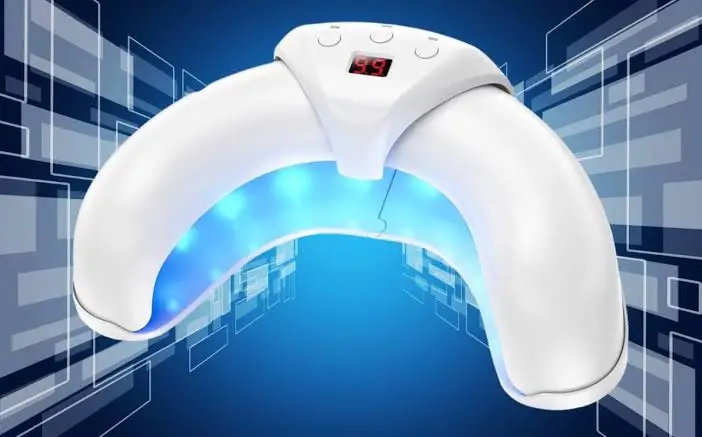
FungaBeam is marketed as a light-based device designed to treat nail fungus and improve the appearance of damaged nails. Its advertising targets people who are tired of dealing with discoloured, brittle or thickened nails and would prefer an at-home treatment instead of repeated visits to a nail specialist or healthcare professional.
The product is presented as a convenient alternative to conventional treatments, with promotional material suggesting that the light can help tackle the problem and allow healthier-looking nails to grow back. This is an attractive promise because nail fungus can be stubborn, and visible improvement often takes months as the affected nail grows out.
However, a product being advertised as a nail fungus treatment does not automatically mean it has been shown to treat a fungal infection. The important questions are whether the device has been properly tested, whether the particular light technology can achieve the results being promised, and whether there is reliable evidence supporting FungaBeam’s claims.
I could not establish from the information available that FungaBeam itself has convincing clinical evidence demonstrating that it cures nail fungus. That makes it difficult to justify paying a premium for the device based on the advertising alone.
I Found the Same Type of Device on Alibaba for Around $6
One of the biggest reasons I became suspicious of FungaBeam was the product itself. When I investigated its origins using reverse image search, I found what appeared to be the same generic nail repair device listed on Alibaba for approximately $6 in bulk.
That is a substantial difference from the roughly $50 or more that customers may be asked to pay through the retail website. Wholesale prices and retail prices are naturally different, and a company can charge more to cover packaging, advertising, shipping and other business expenses. Finding a cheaper version elsewhere does not, by itself, prove that a seller is running a scam.
The problem is that FungaBeam is being promoted as a specialised nail fungus solution, yet the device appears to be a generic product that can be sourced from an overseas supplier. I found no convincing evidence that the version sold under the FungaBeam name has undergone special development or testing that would explain why buyers should pay such a large markup.
This is a familiar way some online products are sold. A seller sources an inexpensive item from a wholesale marketplace, gives it a new name, builds a dedicated website around it and advertises it as a breakthrough treatment. The website and marketing can make the product look exclusive, even when similar devices are readily available elsewhere.
For anyone considering FungaBeam, I would want to see evidence that the branded version offers something more than a different name and a higher price. Without that evidence, I see little reason to assume that paying more will deliver better results.
What About Dr. Tristan Ward and the FungaBeam Advertisements?
FungaBeam has also been promoted through online advertising featuring a person identified as Dr. Tristan Ward. Using a doctor’s name or image in an advert can make a product appear more trustworthy, particularly when the product is intended to address a medical problem that people may feel embarrassed about discussing.
However, an apparent medical endorsement should not be accepted at face value. I could not independently verify the endorsement sufficiently to establish that Dr. Tristan Ward is a qualified medical professional who has personally evaluated FungaBeam and can support the treatment claims being made.
If a website uses a doctor’s photograph, viewers should be able to establish who the person is, what their qualifications are and whether they have a genuine connection to the product. A name and a photograph are not enough to demonstrate that a device works.
I would also be wary of any advert that relies heavily on an authoritative-looking presenter while offering little accessible information about clinical testing. Even if the person shown in an advert is a real doctor, that would not automatically prove that the product being promoted is effective.
Until the endorsement can be verified, I would not use it as a reason to buy FungaBeam.
The NBC, ABC, CBS, Fox News and USA Today Logos
Another issue I found was the use of prominent media names and logos in FungaBeam’s promotional material. NBC, ABC, CBS, Fox News and USA Today are all recognisable names, so displaying them alongside a product can give the impression that it has received widespread media attention or been featured by established news organisations.
But there is a difference between a company displaying a media logo and a news organisation actually publishing a report about that company or its product. A logo on a sales page does not prove that the outlet reviewed FungaBeam, recommended it or confirmed its effectiveness.
I could not establish that these organisations had genuinely endorsed FungaBeam. Without links to authentic news reports that discuss the device, I would treat the apparent media endorsements as unverified marketing rather than evidence that the product is legitimate.
This matters because people shopping for health-related products may reasonably assume that a familiar news logo represents independent coverage. If the website cannot substantiate that impression, the logos can create a misleading picture of the product’s credibility.
The same applies to photographs of doctors used throughout the sales material. Stock photographs and professional-looking images are easy to obtain, but they do not demonstrate that the people pictured have examined the product or that the claims made about it are true.
Does FungaBeam Actually Work for Nail Fungus?
This is the question most people will want answered before handing over their money. Unfortunately, the evidence I found does not give me a good reason to recommend FungaBeam as a proven treatment for nail fungus.
Light-based treatments have been investigated for certain nail conditions, but results depend on the technology used, the treatment protocol and the quality of the evidence. You cannot assume that an inexpensive light device will produce the same results as a properly studied medical treatment simply because both involve light.
Nail fungus is also difficult to treat because the infection can affect the nail itself and the tissue beneath it. Even when treatment works, it can take several months for a healthier nail to grow out. A product that promises quick results deserves particular scrutiny if it does not provide reliable evidence to support those claims.
I could not verify that FungaBeam has undergone suitable clinical trials demonstrating that it eliminates nail fungus or consistently produces the results shown in its advertisements. I also found no convincing basis for assuming that the device’s apparent similarity to a wholesale product means it has the necessary technology to treat an infection.
If you are dealing with a yellow, thick or damaged nail, it is worth getting the cause checked before spending money on a device like this. Nail changes can have causes other than fungal infection, and treatments intended for fungus will not necessarily help with those other conditions.
Based on what I could establish, I would not rely on FungaBeam to clear a fungal infection. The marketing makes the treatment sound more certain than the available evidence justifies.
FungaBeam Price: Is It Worth $50 or More?
The price is another reason I would think carefully before ordering. The retail offers may make FungaBeam look like a specialised treatment, but finding a similar generic device on Alibaba for around $6 in bulk raises questions about the value customers are receiving.
A higher retail price does not automatically mean a product is fraudulent. Sellers have operating costs, and a branded product can sometimes justify a higher price if it offers genuine advantages, proper testing, dependable customer service or a meaningful warranty.
What I could not establish here is that FungaBeam offers those advantages. If the device is essentially a generic light product with a new brand name, buyers may be paying mainly for the advertising and sales presentation rather than a proven improvement in performance.
Before considering a purchase, I would also look carefully at the final checkout price rather than relying on the headline offer. Promotional websites sometimes display a low initial price before presenting additional products, upgrades or other charges. The amount shown in an advertisement is not necessarily the amount you will ultimately pay.
In FungaBeam’s case, the possibility of additional charges or recurring payments is another issue worth checking before entering payment details. I could not confirm that every customer will encounter a subscription or recurring fee, so I would not claim that such charges are definitely being applied. However, any recurring-payment terms should be clearly explained before an order is placed, not discovered later on a bank statement.
Read the complete order summary, check whether any optional products have been added, and look for language about repeat billing. If the payment terms are unclear, I would not proceed.
Is FungaBeam a Scam?
After looking into FungaBeam, I would be very cautious about buying it. The device appears to be similar to a generic nail repair product available through wholesale suppliers for around $6 in bulk, while the branded version is promoted for roughly $50 or more. I could not verify convincing clinical evidence that FungaBeam itself treats nail fungus, and the apparent endorsements involving Dr. Tristan Ward and major media organisations were not sufficiently substantiated to give me confidence in the product.
The use of familiar media logos and doctor imagery is particularly concerning when the supporting evidence is unclear. Combined with the substantial retail markup and unanswered questions about the product’s actual effectiveness, the marketing gives buyers reasons to be sceptical.
I cannot establish from these findings alone that every aspect of the business is fraudulent, but I would not recommend purchasing FungaBeam on the strength of its advertisements. There is not enough reliable evidence to justify trusting its treatment claims, and I would rather spend my money on an option recommended by a qualified healthcare professional than take a chance on a generic device marketed as a specialised medical solution.
I would avoid FungaBeam. The low wholesale price, unverified endorsements and lack of convincing evidence for its advertised results make it a poor purchase in my view. If you are looking for a genuine nail fungus treatment, do not let professional-looking adverts or familiar media logos convince you that FungaBeam has been proven to work. The company needs to provide credible evidence of its claims before I would consider it worth the asking price.
Check out Necklow Sleep Pillow that I reviewed, earlier.