
Keeping dentures, retainers, and clear aligners clean can be a bit of a chore, especially when brushing alone does not seem to remove all the buildup. That is the problem the LYRA DentaClean Ultrasonic Cleaner promises to solve. It is advertised as a small device that uses ultrasonic vibrations and UV light to clean removable dental appliances, giving them a more thorough clean without much effort from the user. At around €69.99, though, I think there are a few things worth looking into before spending that kind of money on it.
The first thing to understand is that LYRA DentaClean is not a device for cleaning teeth directly. You place your dentures, retainers, or aligners inside a small tank filled with water, close the lid, and let the machine run its cleaning cycle. The idea sounds convenient, particularly for people who wear dental appliances every day and want something easier than scrubbing them by hand. However, convenience alone does not make a product worth buying, and the more I look at the way this particular device is marketed, the less comfortable I feel recommending it.
What Is the LYRA DentaClean Ultrasonic Cleaner?
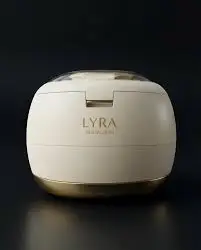
The LYRA DentaClean is a tabletop ultrasonic bath designed to clean removable dental appliances. According to the product information, it combines ultrasonic vibrations with a built-in UV light, which the seller presents as an additional way to help deal with bacteria. The tank has a 304 stainless steel interior, holds approximately 150 ml, and runs an automatic cleaning cycle lasting around five minutes.
Using a machine like this is fairly straightforward. You fill the tank with water, place the dental appliance inside, close the lid, and start the cycle. There is no complicated setup, and the small size means it should fit comfortably on a bathroom counter without taking up much room.
For someone who wears clear aligners or a retainer every day, the idea of dropping the appliance into a cleaner while getting ready in the morning may sound appealing. Denture wearers might also appreciate having a dedicated device rather than relying entirely on manual cleaning. Still, ultrasonic cleaning does not automatically mean an appliance will be disinfected or sterilised, and the addition of UV light should not be taken as proof that the machine kills every harmful microorganism.
LYRA DentaClean Features and Specifications
The product listing describes a USB-powered device with a stainless steel cleaning tank, ultrasonic technology, UV light, and a short automatic cycle. One of the technical claims puts the ultrasonic frequency at approximately 42,000 Hz, while other sections reportedly give a range of 42,000 to 47,000 Hz. Another part of the promotional material refers to 4,000 cycles per second, which does not match the higher figures.
That inconsistency is worth questioning because buyers should be able to rely on the specifications provided by the seller. It does not, by itself, prove that the cleaner cannot work, but it makes it harder to know exactly what the company is claiming about its technology.
The UV feature also deserves a closer look. UV light can be useful for reducing certain microorganisms under suitable conditions, but its effectiveness depends on factors such as the wavelength, exposure time, and whether the light reaches the surfaces that need treatment. Simply including a UV light in a small appliance does not establish that it sterilises dental appliances.
I would therefore treat the LYRA DentaClean as a basic ultrasonic cleaning bath rather than a medical-grade sterilisation device. Anyone buying it should continue following the cleaning instructions provided by their dentist or orthodontist, especially when dealing with clear aligners and other appliances that require specific care.
LYRA DentaClean Price: Is €69.99 Too Much?
LYRA DentaClean is advertised at around €69.99, although the store may display promotional pricing. For a compact 150 ml cleaner with USB power, ultrasonic vibrations, and UV light, that is enough money to make me look more closely at what I am getting for the price.
Ultrasonic cleaners are not a new invention, and similar small cleaning baths are available from other sellers. The question is whether the LYRA name, its particular design, and the promised cleaning features justify the price being charged. Based on the information available, I have not seen enough independent evidence to establish that this device performs better than comparable cleaners.
That does not mean a cheaper machine will automatically be better. Build quality, reliability, cleaning performance, and customer support all matter. But when a seller charges a premium, I would expect clear specifications, convincing evidence for its claims, and product photographs that genuinely represent the item being sold. Those are reasonable expectations, not too much to ask from a company selling a household device.
The Dentist Endorsements Are Difficult to Verify
One part of the LYRA DentaClean marketing reportedly refers to nine approved dentists. That sounds reassuring at first, particularly for a product connected to dental hygiene. Most people would naturally feel more confident buying something if they believed qualified dental professionals had examined and recommended it.
The problem is that I could not establish independent verification for those nine dentists from the information available. I would want to see their names, professional backgrounds, and the original source of their recommendations rather than relying on a claim made on the seller’s own website.
There is also the issue of the product images. The supplied research indicates that images used on the LYRA DentaClean store are hosted directly on Zima Dental’s website, which is a different brand. That does not automatically establish who manufactured the cleaner or prove that the product is defective, but it raises a fair question about whether LYRA is presenting its own product photography or using images associated with another business.
When I am considering a product, I want to know what I am actually buying and who stands behind it. If the seller cannot make its endorsements easy to verify and its product presentation clear, I have less reason to trust its marketing claims.
LYRA DentaClean Refund Policy: Read This Before Ordering
The refund terms are one of the biggest reasons I would be cautious about ordering from the LYRA DentaClean store. According to the information provided, customers must submit their guarantee claim by email during a narrow window beginning on day 60 and ending on day 67 after delivery.
Think about how that works in practice. If you contact the company on day 59, your request is too early. If you wait until day 68, you may already have missed the deadline. That leaves customers with only a short period in which to submit a claim, even though the policy is presented as a longer guarantee.
This is the sort of condition I would want to understand before paying for anything. A refund promise sounds reassuring until you discover that it depends on getting the timing exactly right. Anyone considering an order should read the current terms carefully, save a copy of the policy at the time of purchase, and keep the delivery date and customer-service correspondence.
The store’s stated shipping area is Europe, with prices displayed in euros. That matters because the offer appears intended for European customers rather than buyers in the United States. Before ordering, customers should also confirm delivery charges, return arrangements, and whether the seller provides a clear return address.
Is LYRA DentaClean a Scam?
I cannot establish from the available information that the physical cleaner itself is a scam, and I would not claim that every customer will have a bad experience. The device is based on a real cleaning method, and ultrasonic baths are used for various cleaning purposes. The bigger concern is whether this particular seller has provided enough reliable information to justify its claims and the price it charges.
The inconsistent frequency specifications, the difficult-to-verify dentist endorsements, the product images reportedly hosted on another brand’s website, and the narrow refund-claim window all make me question how much confidence a buyer should place in this store. Taken together, these issues go beyond simply having a product page that could use some improvement.
I would be especially careful about treating the UV feature as proof of sterilisation or assuming that the device has been independently approved by dental professionals. Those claims need evidence, not just persuasive wording on a sales page.
For me, the refund terms are particularly disappointing because customer protection should be straightforward. If a company is confident in the product it sells, I would expect its guarantee to be explained clearly, with a reasonable process for customers who need help. A policy that is easy to misunderstand or miss does not inspire confidence.
Should You Buy the LYRA DentaClean Ultrasonic Cleaner?
I would avoid buying the LYRA DentaClean from this store based on the concerns outlined above. At approximately €69.99, I would want more convincing evidence that the product is worth the price, more consistent technical information, and endorsements that customers can independently verify. The reported use of images associated with another dental brand and the narrow refund window make the purchase even harder to recommend.
The basic idea behind the cleaner is not the problem. An ultrasonic bath can be a convenient addition to the routine of someone who wears dentures, retainers, or clear aligners. The problem is that the marketing around this particular product does not give me enough confidence to say the price and promises are justified.
If you are looking for an ultrasonic cleaner, I would compare alternatives from sellers with clear specifications, genuine product photographs, accessible customer support, and straightforward return policies. Check whether the device is suitable for your particular dental appliance, and do not assume that ultrasonic vibrations or UV light make it a steriliser.
I would avoid the LYRA DentaClean store unless the company can clear up these concerns. The device may look convenient, but I do not think the current information provides enough reassurance to justify spending €69.99 on it. When it comes to a product you intend to use for dental hygiene, I would rather choose a seller that makes its claims and refund terms easy to understand than take a chance on one that leaves so many questions unanswered.
Check out Necklow Sleep Pillow that I reviewed, earlier.