
I have been looking into the SlimBound weight loss ads, and what I found is not what you would expect from an ordinary supplement promotion. The product is being pushed through videos featuring some very familiar faces, including Oprah Winfrey, Joe Rogan, Kelly Clarkson, Kathy Bates, Celine Dion, Melissa McCarthy and several well-known doctors. The videos make it look as though these celebrities and health experts are sharing a matcha recipe that can help people lose weight, but there is a serious problem with that story: these people have not endorsed SlimBound or the weight loss routine being advertised.
What makes this kind of promotion so frustrating is that it knows exactly who it is trying to reach. Many people have spent years trying different diets, drinks and weight loss products without getting the results they hoped for. So when an advert features a familiar celebrity talking about a simple matcha ritual that supposedly makes losing weight easier, it is understandable why someone might stop and watch. I would probably pay attention too if I did not know how easily these videos can be manipulated.
What Is SlimBound?
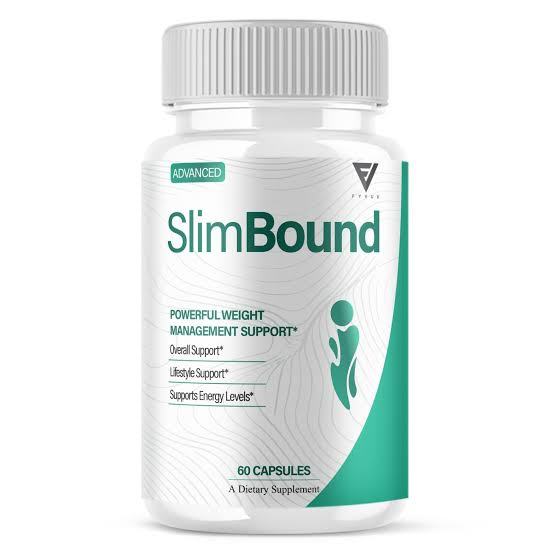
SlimBound is marketed as a weight loss supplement, with much of its online promotion built around a so-called matcha ritual. The adverts try to connect the product to the popularity of matcha tea and the idea that a simple daily routine can help with weight management.
However, the sales videos do more than explain what the supplement is supposed to do. They use celebrity faces and familiar television personalities to make the story look like a genuine health discovery. Dr. Rhonda Patrick, Dr. Mark Hyman, Dr. Mehmet Oz and Dr. Phil McGraw are among the names used in these promotions, alongside celebrities such as Oprah Winfrey, Joe Rogan, Mel Robbins, RFK Jr. and others.
I find it particularly dishonest when a company or anonymous advertiser uses somebody else’s reputation to sell a product. People recognise these names and may assume that the claims have been properly investigated or that the people featured have actually tried the supplement. But a video showing someone speaking about a product is not proof of an endorsement, especially when AI-generated footage and manipulated audio are involved.
The Truth About the SlimBound Matcha Ritual
The matcha angle is a clever way to attract attention because matcha is already popular among people interested in healthy eating and weight management. The adverts take something familiar and turn it into a supposed weight loss secret, making viewers believe they have stumbled upon a routine that the mainstream weight loss industry does not want them to know about.
But drinking matcha is not a magic solution for losing weight, and there is no reason to believe that a special matcha recipe can deliver the dramatic results these sales videos suggest. Even when a supplement contains ingredients that have been studied for metabolism or weight management, that does not automatically mean the finished product will produce meaningful weight loss.
I would also be careful about believing the stories told in these videos. A celebrity appearing to reveal a personal weight loss secret does not make that story genuine. The same goes for clips featuring doctors supposedly explaining why the recipe works. Unless there is a genuine, verifiable endorsement, these videos should not be treated as medical advice.
Hidden Subscriptions, Upsells and Refund Problems
Another part of the SlimBound promotion that deserves attention is the way the product is sold. The initial offer may look attractive, particularly when the advert suggests that buying several bottles will save money. But before entering your payment details, it is worth checking whether you are agreeing to a one-time purchase or a recurring payment arrangement.
There have been complaints associated with this type of sales funnel about unexpected monthly charges, unauthorised upsells and difficulties obtaining refunds. This can leave buyers feeling that they have paid much more than they originally intended.
The money-back guarantee is another thing I would not take at face value. Advertisements can make a 100% refund sound reassuring, but what matters is what happens when someone actually asks for their money back. Are there conditions attached? Does the buyer have to pay return shipping? Are additional purchases excluded? Is cancelling a subscription straightforward?
These are questions worth asking before ordering. I would also be cautious if someone calls after you place an order and tries to persuade you to buy additional bottles or a more expensive package. You should not have to keep spending money just because a salesperson insists that you need a bigger supply.
Is SlimBound a Scam?
After looking at how SlimBound is being promoted, I would stay away from it. The fake celebrity endorsements, manipulated videos and exaggerated matcha weight loss claims are not the sort of marketing I would trust with my money. The reported subscription and refund complaints make the offer even less appealing.
What annoys me most about these promotions is how they take advantage of people who are already struggling with their weight. Someone who has tried several diets without success may see Oprah, Kelly Clarkson or a familiar doctor supposedly talking about a simple weight loss trick and believe they have finally found something worth trying. That is exactly why these fake endorsements are so damaging.
My advice is not to buy SlimBound because of anything you see in these celebrity videos. Do not assume that the people featured have used the product or recommend it. If you are considering a weight loss supplement, speak with your healthcare provider and look at the actual ingredients rather than relying on promises made in a sales video.
If you have already ordered SlimBound and discovered unexpected charges, contact your bank or credit card company to ask about disputing them and stopping further payments. You can also report suspected online fraud through the FBI’s Internet Crime Complaint Center at IC3.gov.
I would not recommend SlimBound. The way it is being advertised relies on fake celebrity appearances and misleading weight loss promises rather than trustworthy evidence. Your money is better kept away from a sales funnel that has to borrow the faces and reputations of famous people to convince you to buy.
Check out Necklow Sleep Pillow that I reviewed, earlier.