
Cognizil is being sold as a memory support supplement, but what caught my attention was not the product itself. It was the video being used to sell it. The sales pitch features what looks like a special report from 60 Minutes, complete with familiar faces such as Bill Gates, Lesley Stahl, Clint Eastwood, Steve Martin, Morgan Freeman and Denzel Washington. The video makes it appear as though these well-known people are sharing or discussing a secret honey and cinnamon recipe that can supposedly reverse Alzheimer’s disease and dementia.
I find this kind of marketing particularly disturbing because it targets people who are genuinely worried about their memory or watching a loved one struggle with dementia. When someone is desperate to find a way to protect their parents or improve their own memory, they may be willing to listen to almost anything that sounds promising. Using famous faces and what appears to be a trusted television report makes the whole thing even more convincing, especially to someone who does not realise the footage has been manipulated.
What Is Cognizil?
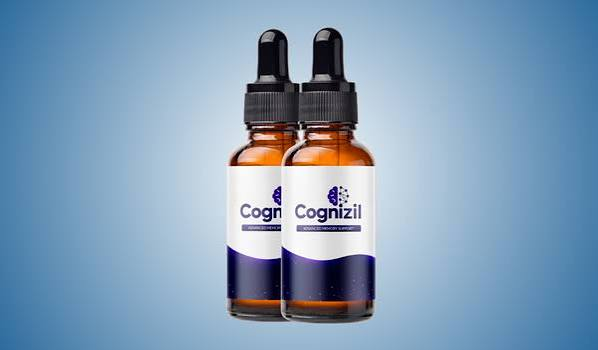
Cognizil is a supplement marketed to people concerned about memory, brain health and age-related cognitive decline. Its sales pitch centres on the idea that a simple honey and cinnamon recipe could help reverse Alzheimer’s and dementia, with the supplement being presented as part of the solution.
The problem is that the video goes much further than making ordinary claims about supporting brain health. It suggests that there is a simple solution to serious medical conditions, and uses familiar celebrities and television personalities to make the story look legitimate.
I checked the claims being made in the promotional video, and the celebrity footage is particularly troubling. Bill Gates, Lesley Stahl, Clint Eastwood, Steve Martin, Morgan Freeman and Denzel Washington are presented in a way that makes viewers believe they are connected to the story. There is no reason to treat these manipulated clips as genuine endorsements of Cognizil.
The fake 60 Minutes presentation is also designed to make the promotion look like an investigative television report rather than an advertisement selling a supplement. That is a very deliberate way to gain people’s trust.
The Honey and Cinnamon Alzheimer’s Cure Claim
One of the biggest selling points is the suggestion that a honey and cinnamon recipe can reverse Alzheimer’s disease and dementia. It sounds simple enough, which is probably why the story appeals to people. Instead of complicated treatments or medical appointments, viewers are led to believe that an everyday kitchen ingredient could hold the answer to a frightening health problem.
But there is no reliable clinical evidence that mixing honey and cinnamon can reverse Alzheimer’s disease or cure dementia. These are serious medical conditions, and they cannot be treated with a secret recipe promoted through a celebrity-filled online sales video.
I also have a problem with the way these advertisements use the word secret. They make it sound as though doctors and medical researchers have been hiding an easy cure from the public, while the people behind the video are the only ones willing to reveal it. That is a powerful sales tactic, particularly when the audience includes older people and families desperately looking for answers.
Hidden Charges and Upselling Complaints
The health claims are not the only reason I would be careful with Cognizil. The sales funnel has also been associated with complaints about unexpected monthly subscription charges, problems getting money back and aggressive telephone upselling.
Some buyers may think they are simply placing an order for a supplement, only to discover that the payment arrangement involves recurring charges. Others have reported difficulties getting refunds despite the money-back guarantee being advertised during the sales process.
This is something I would pay close attention to before entering any payment details. A product can advertise a generous refund policy, but that does not mean getting your money back will be easy. If you are already dealing with unexpected charges, trying to cancel an order or arguing over a refund can become an expensive and frustrating experience.
The telephone upsells are another part of the sales process worth mentioning. Be careful if someone contacts you after your order and starts recommending additional products or more expensive packages. You do not have to agree to anything simply because the person on the phone makes it sound like you need more bottles to get the promised results.
Is Cognizil a Scam?
Based on the marketing tactics described here, I would not trust Cognizil or the people behind this sales funnel. The use of fake 60 Minutes footage, manipulated celebrity videos and unsupported Alzheimer’s cure claims is already enough to make this promotion highly deceptive. Add the reported subscription charges, refund problems and pressure to purchase more products, and I see very little reason to recommend it.
What bothers me most is the audience being targeted. Alzheimer’s and dementia are frightening conditions, and families dealing with memory loss deserve honest information, not a sales pitch built around fake celebrity appearances and promises of a miracle cure.
I would stay away from Cognizil. Do not let a convincing video persuade you to spend money on a supplement that is being promoted with claims that have not been properly proven. If you or someone close to you is experiencing memory problems, speak with a qualified doctor who can arrange the right assessment and discuss appropriate treatment options.
And if you have already ordered Cognizil and noticed unexpected charges, contact your bank or credit card provider as soon as possible. Ask about stopping recurring payments and disputing charges where appropriate. You can also report suspected online fraud to the FBI’s Internet Crime Complaint Center at IC3.gov.
I consider the Cognizil sales operation highly deceptive and would not recommend buying from it. A fake television report and celebrity deepfakes should never be used to convince vulnerable people that a supplement can reverse Alzheimer’s disease.
Check out Necklow Sleep Pillow that I reviewed, earlier.