
When a product claims it can help with Alzheimer’s or dementia, it’s understandable why people pay attention. These conditions affect millions of families, and most people are willing to try almost anything if there’s hope of improving a loved one’s memory. That’s exactly why products like BrainMary have been getting so much attention online.
After looking into the marketing behind BrainMary, Brain Memory Keeper, and CogniCare Pro, I found several warning signs that consumers should know before spending their money. If you’re searching for honest BrainMary reviews, this article explains how the promotion works, why so many people are questioning it, and what you should watch out for.
What Is BrainMary?
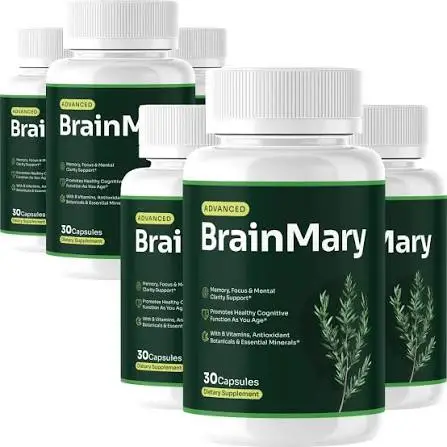
BrainMary is marketed as a dietary supplement that supposedly supports memory, brain health, and cognitive function. The advertising goes much further than that, suggesting it may help people dealing with Alzheimer’s disease, dementia, or serious memory loss.
The problem is that these claims are backed by dramatic sales videos rather than reliable scientific evidence. Instead of presenting clear clinical research, the promotions rely on emotional storytelling and promises that sound too good to be true.
How the BrainMary Scam Works
The marketing campaign usually starts with an advertisement that appears while browsing social media, playing mobile games, or reading news articles.
The ad invites viewers to watch a presentation that promises to reveal a simple herb or spice recipe supposedly featured on television and recommended by a famous doctor. You may hear references to ingredients like rosemary, garlic powder, paprika, or other common kitchen spices.
Naturally, viewers expect the video to eventually explain the recipe.
It never does. Instead, after keeping people watching for a long period, the presentation suddenly shifts to selling BrainMary capsules as the real solution. The promised recipe is simply bait designed to hold your attention until the sales pitch begins.
Fake Doctor Endorsements Raise Serious Concerns
One of the biggest red flags is the use of supposed endorsements from famous doctors, medical researchers, universities, or television programs.
Despite what the advertisements suggest, there is no evidence that respected doctors, hospitals, or medical institutions have endorsed BrainMary. These references appear to create trust rather than provide legitimate medical support.
Whenever a supplement relies on celebrity or medical authority without verifiable proof, it’s worth asking why.
The Checkout Process May Not Be As Simple As It Looks
Another complaint surrounding BrainMary involves what happens after customers decide to buy.
Some buyers report being charged more than they expected or discovering recurring monthly charges connected to their purchase. While not every customer may experience this, unexpected billing is a common complaint with aggressive supplement marketing campaigns.
Before entering your payment information, always read every detail carefully, including the terms and conditions, shipping policies, and any subscription language hidden in the fine print.
Watch Out for Upselling Phone Calls
Some customers may receive phone calls shortly after placing an order.
The callers often speak confidently about memory loss and brain health, giving the impression that they are medical specialists. Only near the end of the conversation do they disclose that they are not actually doctors.
The purpose of these calls is usually to convince customers to purchase additional supplements or larger packages costing hundreds of dollars.
High-pressure sales tactics like these should always make consumers cautious.
Brain Memory Keeper and CogniCare Pro Follow Similar Marketing
BrainMary isn’t the only supplement using this style of promotion.
Products such as Brain Memory Keeper and CogniCare Pro have appeared in similar advertising campaigns, using emotional stories, miracle claims, and lengthy sales presentations that promise life-changing improvements for people suffering from memory problems.
Although the product names may change, the marketing formula remains remarkably similar.
Can BrainMary Cure Alzheimer’s or Dementia?
No supplement has been proven to cure Alzheimer’s disease or dementia.
These are complex medical conditions that require diagnosis and treatment from qualified healthcare professionals. While certain vitamins and nutritional supplements may support general brain health, there is no credible evidence that BrainMary can reverse Alzheimer’s disease, eliminate dementia, or restore lost memories.
Any advertisement claiming otherwise deserves careful scrutiny.
BrainMary Reviews: What Should Buyers Know?
If you’re thinking about buying BrainMary, here are the biggest warning signs I noticed during my research:
- Advertisements promise a secret herb or spice recipe that is never actually revealed.
- Claims of endorsements from famous doctors and television programs cannot be verified.
- The presentation relies heavily on emotional stories instead of scientific evidence.
- Some customers report unexpected charges or recurring billing.
- Buyers may receive upselling calls from people who sound like medical experts but later admit they are not doctors.
- Bold promises about treating Alzheimer’s and dementia are not supported by reliable clinical evidence.
Is Brainmary Scam?
After examining the advertising, I would approach BrainMary with extreme caution. The marketing focuses on emotional promises, hidden sales tactics, and unverified endorsements instead of transparent scientific evidence.
People dealing with Alzheimer’s disease or dementia are often searching for hope, making them especially vulnerable to miracle cure advertisements. That’s why it’s so important to separate persuasive marketing from proven medical facts.
Conclusion
If you’re considering BrainMary, Brain Memory Keeper, or CogniCare Pro, take the time to research the claims independently, read the fine print before purchasing, and speak with a licensed healthcare professional before relying on any supplement that promises dramatic improvements in memory or cognitive health.
Have you purchased BrainMary or received phone calls after ordering? Share your experience in the comments below to help other readers make an informed decision.
Check out the Beplain Cleansing Oil that I reviewed earlier.