
Keeping a car clean sounds simple until you have to deal with crumbs between the seats, dust around the dashboard and all the little bits of dirt that collect in places a normal household vacuum cannot easily reach. A compact cordless vacuum seems like a sensible solution, especially if you can keep it in the car and use it whenever the interior needs a quick clean. The Casufit Car Vacuum Cleaner is being promoted as exactly that kind of gadget, with an added selling point: it can also function as an air blower and inflator.
The advertised specifications make it sound surprisingly powerful for such a small device. Casufit claims suction of up to 32,000Pa, a motor running at 150,000 RPM and enough battery life to clean as many as 10 SUVs on a single charge. At around $55, it is presented as a convenient alternative to larger cleaning equipment, but those are ambitious claims for a handheld vacuum. Questions have also been raised about the product’s sourcing, its actual performance and the experience customers can expect after placing an order.
In this Casufit Car Vacuum review, we look at what the device promises, whether its specifications are supported by independent evidence, and why shoppers may want to think carefully before paying the advertised price.
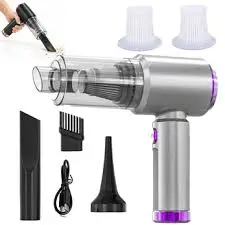
What Is the Casufit Car Vacuum Cleaner?
The Casufit Car Vacuum Cleaner is a small, cordless cleaning device designed primarily for car interiors. Its compact size is intended to make it easier to clean around seats, floor mats, cup holders, door pockets and other areas where dust and debris tend to accumulate. Unlike a full-sized vacuum, it can be stored in a vehicle and brought out for quick cleaning without having to connect it to a wall outlet.
The device is also marketed as a 2-in-1 tool. By changing the attachments, users can reportedly switch from vacuuming to blowing air or inflating suitable items. This type of multifunctional design is not unusual in the portable vacuum market, where manufacturers often include several nozzles to make a single device useful for different jobs.
On paper, the idea makes sense. A small vacuum that can pick up crumbs, clear dust from narrow gaps and blow debris out of awkward corners could be handy for everyday maintenance. The problem is that a long list of functions does not tell you how well each one performs. A device may be capable of producing airflow without being powerful enough to replace a dedicated inflator, and a compact vacuum may handle loose crumbs while struggling with heavier dirt trapped in carpets.
Casufit Car Vacuum Specifications and Performance Claims
Casufit’s advertising focuses heavily on power and battery endurance. The company promotes suction of up to 32,000Pa and a motor speed of 150,000 RPM, figures intended to suggest that the device can deliver strong cleaning performance despite its small size.
However, these numbers need context. A motor’s rotational speed does not directly tell you how effectively a vacuum will remove dirt, and a suction-pressure figure alone does not establish how much airflow the machine can maintain during use. Practical performance also depends on the motor design, airflow path, nozzle, filter and how quickly the filter becomes clogged. Without credible independent testing, it is difficult to determine whether the advertised figures accurately describe the device’s real-world performance.
The battery claims deserve similar scrutiny. Casufit has reportedly been promoted as lasting up to 30 days or cleaning as many as 10 SUVs on one charge. Those statements can sound impressive to someone who wants a vacuum that is always ready to use, but they do not clearly explain how long the device runs continuously or what level of cleaning is possible before the battery needs recharging.
For example, cleaning a vehicle after a light commute is very different from removing pet hair, sand and dirt embedded in floor mats. The amount of debris, the selected power setting and the time spent vacuuming all affect battery consumption. Unless the seller provides a clear test method, the claim about cleaning 10 SUVs is difficult to evaluate and should not be treated as a guarantee.
Does the Casufit Vacuum Actually Clean Well?
The specifications alone are not enough to establish whether the Casufit is a good car vacuum. What matters is how it handles the messes people actually encounter, including crumbs in seat seams, dust on the dashboard, dirt around pedals and debris that has been ground into the carpet.
A compact vacuum can be useful for light maintenance, even if it does not match the performance of a full-sized machine. The concern is whether Casufit’s marketing creates expectations that a device of this size may struggle to meet. If the suction is weaker than advertised, users could find themselves repeatedly passing over the same area or reaching for another vacuum to finish the job.
The same applies to the blower and inflator functions. Having interchangeable attachments is convenient, but each function has different requirements. Blowing loose dust out of a narrow gap is not the same as inflating an item that needs a particular pressure, and shoppers should confirm which uses the manufacturer actually supports before relying on the device for them.
I could not establish the advertised suction figures or battery claims from certified independent test results in the information provided. That does not automatically prove the vacuum is ineffective, but it does mean there is not enough verified evidence to confidently recommend it on the strength of those numbers.
Why Is the Casufit Car Vacuum Sold for Around $55?
One of the biggest questions surrounding the Casufit Car Vacuum is whether its price reflects a genuinely distinctive product or a generic device being sold at a substantial markup.
Reports and comparison videos point to similar-looking cordless handheld vacuums being offered through wholesale marketplaces such as Alibaba for considerably less, with some listed in the $4–$12 range. That price difference is worth investigating, although it does not by itself prove that every listing uses precisely the same components, battery or manufacturing specifications. Wholesale prices may also exclude shipping, packaging, import costs and other expenses associated with selling a product directly to consumers.
Even with those qualifications, the comparison raises a reasonable question: what does a buyer receive for paying approximately $55 for Casufit rather than choosing an established brand or a comparable generic vacuum at a lower price? A higher retail price can be justified by better construction, reliable quality control, a meaningful warranty and responsive customer support. If those benefits are not clearly demonstrated, the markup becomes harder to justify.
The important thing is not simply whether a cheaper version exists. It is whether Casufit offers anything that makes its particular model worth the additional money. Clear technical specifications, credible performance tests and a dependable returns process would help answer that question, but the information available here does not establish a strong advantage over comparable products.
Concerns About the Casufit Seller and Customer Experience
Another issue is the type of online storefronts through which Casufit is reportedly sold. Some appear to offer a broad selection of unrelated products, including clothing and household goods, rather than focusing on automotive equipment. A general online store is not automatically unreliable, and legitimate retailers often sell products across several categories. Still, it can be harder to judge the expertise behind a product when the seller’s main business does not appear to be car-care equipment.
Customer feedback is also important because even a reasonably priced vacuum can become an expensive mistake if it arrives late, performs poorly or proves difficult to return. Reports cited in connection with Casufit and its sellers describe problems such as delayed shipping, disappointing build quality and difficulty obtaining refunds. These reports should be considered alongside their sources and the number of verified purchases behind them; they do not establish that every customer will have the same experience.
Before placing an order, look for a clear company name, working contact details, a realistic delivery estimate and a return address. Read the refund policy rather than relying solely on a satisfaction guarantee displayed in an advertisement. Check whether return shipping is the buyer’s responsibility, whether the product must be unused and whether there are deadlines or other conditions that could make a refund difficult to obtain.
It is also sensible to pay using a method that offers transaction protection. Keep the order confirmation, screenshots of the advertised specifications and a copy of the return terms. If the vacuum arrives with a substantially different design or does not perform as described, those records may be useful when contacting the seller or disputing a charge.
Is the Casufit Car Vacuum a Scam?
There is not enough evidence here to definitively label the Casufit Car Vacuum a scam. A generic product sold at a high markup is not necessarily fraudulent, and the existence of similar wholesale models does not prove that a retailer will fail to deliver an order. The more relevant question is whether the product lives up to the claims used to sell it and whether the seller provides fair support when something goes wrong.
The concern is that Casufit’s marketing reportedly combines very high suction figures, impressive battery claims and several functions without clear independent testing to substantiate the performance being promised. Add the availability of similar-looking products at much lower wholesale prices and complaints about delivery or returns, and there are reasonable grounds to be cautious.
I would not take a promotional video showing the vacuum in action as sufficient proof of its advertised capabilities. Demonstrations can show that a device picks up some debris, but they cannot establish its suction pressure, battery endurance or durability under normal use. Those claims need more convincing evidence than an edited demonstration.
Should You Buy the Casufit Car Vacuum?
The Casufit Car Vacuum has an appealing concept. A small cordless cleaner with vacuuming, blowing and inflating functions could be useful for keeping a car tidy between more thorough cleans. However, convenience is only part of the buying decision, and the advertised performance needs to justify the price.
At around $55, I would want more than impressive numbers on a sales page. I would look for independent tests, clear information about battery runtime, evidence of build quality and customer feedback showing that the seller handles deliveries and refunds properly. I would also compare the product with established handheld car vacuums before deciding that Casufit offers better value.
I would be cautious about buying the Casufit Car Vacuum based on its current marketing claims. The reported wholesale price comparisons and customer complaints do not prove that the product is a scam, but the lack of verified performance evidence makes the $55 price difficult to justify confidently. Unless the seller can provide convincing specifications, a transparent refund policy and credible evidence of real-world performance, comparing it with better-documented alternatives is the more sensible choice.
Check out Necklow Sleep Pillow that I reviewed, earlier.