
I started looking into CogniMary after seeing the kind of advertising that makes this product look like it has been hiding a major breakthrough in brain health. The story being pushed around online is built around a simple-sounding “rosemary recipe” that supposedly has remarkable effects on memory, dementia and even Alzheimer’s disease. The ads can look surprisingly convincing because they use familiar news branding, edited interviews and AI-generated or manipulated footage of well-known doctors and celebrities. That is what makes the CogniMary scam particularly concerning. Someone seeing one of these videos for the first time could easily believe they are watching a genuine news report rather than a sales funnel designed to get them to buy a supplement.
The name CogniMary is not even the most important part of the story. Similar advertisements have appeared under different product names, websites and variations of the same rosemary-and-memory narrative. The packaging may change, the celebrity featured in the video may change, and the website selling the capsules may change, but the basic formula remains remarkably similar: start with a frightening problem such as memory loss, introduce a supposedly forgotten natural remedy, attach the story to doctors or celebrities who appear trustworthy, and then send the viewer toward a long sales presentation for a supplement.
That is why I would be very careful with any CogniMary review that focuses only on the bottle, the ingredient list or a handful of glowing testimonials without looking at how the product is actually being advertised.
What Is CogniMary?
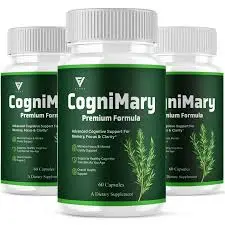
CogniMary is marketed as a dietary supplement for memory, concentration, focus and cognitive support. The current CogniMary website describes it as a cognitive support and energy product and recommends taking one capsule a day. It also encourages buyers to purchase multi-bottle packages, saying that the best results come from taking it consistently for three months or longer.
On its own, selling a supplement for general cognitive support is not unusual. There are countless products marketed for memory and focus. The problem begins when advertising takes a much bigger leap and suggests that a capsule, a homemade recipe or a particular food can reverse Alzheimer’s disease or dementia.
That is a claim that deserves much more than a persuasive video.
The National Institute on Aging says that no vitamin or supplement is currently recommended for preventing Alzheimer’s disease or cognitive decline, and research into individual foods and supplements is still ongoing. The agency also notes that there is currently no cure for Alzheimer’s disease.
So when a CogniMary advertisement gives the impression that Alzheimer’s or dementia can be reversed with a simple rosemary recipe, that should not be confused with established medical evidence.
The CogniMary Rosemary Recipe Story
The rosemary angle is probably the part of this marketing campaign that catches people’s attention fastest. It sounds harmless because rosemary is an ordinary herb that many people already have in their kitchen. The advertising can then make the discovery sound like some kind of forgotten secret that pharmaceutical companies or the medical establishment supposedly don’t want people to know about.
That makes for a good story, but a good story is not the same thing as clinical evidence.
There is legitimate scientific interest in diet, nutrition, inflammation, antioxidants and brain health, and researchers have investigated many foods and compounds in connection with cognitive function. The NIA, however, specifically says that there is not enough evidence to conclude that eating or avoiding one particular food can prevent Alzheimer’s or age-related cognitive decline.
That is a very different claim from telling viewers that a particular rosemary preparation can reverse dementia.
Are Dr. Dale Bredesen, Dr. Jonathan LaPook and the Other Celebrities Really Promoting CogniMary?
This is where the advertisements become especially troubling.
The promotional material I came across uses recognizable people and familiar media-style presentation to make the story appear legitimate. Names associated with these videos include Dr. Dale Bredesen, Dr. Jonathan LaPook and Dr. Randall Bateman, along with celebrities such as Robert De Niro and Sally Field. The videos can be edited or AI-generated in a way that makes it appear as though these people are personally presenting or endorsing the CogniMary story.
A person’s face appearing in an online advertisement is not proof that the person actually endorsed the product.
This is one reason AI deepfakes have become such a problem in health-product advertising. A convincing synthetic video can put words into someone’s mouth without the person ever recording the advertisement. It can also take a genuine interview, remove the original context and splice it into a completely different sales pitch.
The fake-news presentation makes the trick even more effective because viewers may initially believe they are watching CBS News, a medical interview or another established media program. By the time the viewer realizes they have moved from an apparent news story into a product sales page, they may already be emotionally invested in the promise being made.
The Fake CBS News Angle
The fake CBS News presentation is another part of the CogniMary advertising that I would not ignore.
A real news organization carries a certain amount of credibility with the average viewer. If an advertisement can make itself look like a CBS News report, the product immediately appears to have received independent media attention. Add a recognizable doctor, celebrity or television personality and the whole thing can look much more convincing than a normal supplement advertisement.
But a webpage that looks like a news website does not automatically mean it is affiliated with the real broadcaster.
This is an old marketing trick with newer technology behind it. Years ago, scammers relied heavily on fake newspaper articles and fabricated testimonials. Today, AI-generated voices, face manipulation and realistic video editing can make the same deception considerably harder to spot.
CogniMary Reviews and Complaints: What About the Sales Page?
Another thing I noticed while looking into CogniMary is how heavily the marketing focuses on the story surrounding the product rather than simply presenting a straightforward supplement and letting buyers evaluate it.
The official-looking CogniMary site currently makes strong statements about expected cognitive benefits, including improved concentration, attention and memory, and says that users may begin noticing a difference after the first week. It also recommends longer-term use and multi-bottle purchases.
That does not, by itself, establish that the capsules are fraudulent. However, it becomes much more concerning when the same product ecosystem is promoted through advertisements making extraordinary Alzheimer’s and dementia claims.
The FDA has specifically warned consumers about products marketed online as dietary supplements that claim to prevent, treat or cure Alzheimer’s disease. The agency says these products may be ineffective or unsafe and may cause people to delay appropriate medical care.
That warning is relevant here because Alzheimer’s is not an ordinary condition where somebody should simply experiment with an internet supplement instead of getting proper medical advice.
Is CogniMary a Scam?
Based on the marketing pattern, I would treat CogniMary as a scam-style supplement offer rather than as a credible Alzheimer’s treatment.
I am not saying that every capsule sold under the CogniMary name has been independently proven to contain nothing but useless ingredients. The bigger issue is the way the product is being sold. Fake or manipulated celebrity endorsements, supposed news coverage, miracle-style rosemary claims and a sales funnel built around an emotionally sensitive medical problem are not the kind of evidence I would use to establish that a supplement can treat Alzheimer’s or dementia.
There is also a separate CogniMary-related domain, cognimary.org, that currently receives a very low trust assessment from ScamAdviser. That assessment cites factors including hidden WHOIS ownership, a young website and other technical or business concerns. A third-party website score is not proof of fraud on its own, but it adds another reason to avoid assuming that every CogniMary website or advertisement represents a transparent, established company.
The bigger pattern matters more than one website score. When the people behind a health product are difficult to identify, the advertising relies on questionable celebrity footage and the central sales pitch makes claims far beyond what established medical sources support, I would not put my money or my health into it.
Why the “Rosemary Recipe” Is Such an Effective Bait
The rosemary story works because it feels believable at first. People already know that herbs contain natural compounds, and there is genuine scientific research into nutrition and brain health. It is therefore easy for an advertisement to take a small piece of legitimate scientific interest and stretch it into a completely different claim.
The problem is the leap from “researchers are studying foods and compounds that may affect brain health” to “this secret recipe reverses Alzheimer’s.”
Those are not interchangeable statements.
The NIA says that research into diet and Alzheimer’s prevention is still developing and that evidence concerning individual foods is not sufficient to show that one specific food can prevent Alzheimer’s or cognitive decline.
That is why I would not rely on a viral video, celebrity appearance or supposed television interview as proof that rosemary can reverse dementia.
Watch Out for the Subscription and Billing Angle
One thing I would also pay close attention to before ordering any supplement from an aggressive video sales page is the checkout process.
These funnels can encourage people to buy several bottles rather than one, sometimes presenting the larger package as the option that provides the best value. The CogniMary site itself promotes three- and six-bottle packages and recommends taking the product for three months or longer.
Before entering card details, I would read the checkout page carefully for recurring billing language, automatic shipments, cancellation instructions, refund conditions and the actual merchant name that will appear on the card statement. If those details are buried behind a video or presented in tiny print, I would walk away rather than trying to figure everything out after the charge has gone through.
This is especially important with products advertised through social media because the advertisement, sales video, checkout page and actual seller may not be as transparent as they first appear.
The Bigger Problem With These Alzheimer’s Supplement Scams
What bothers me most about this type of advertising is not the rosemary itself. It is the way the marketing takes advantage of a problem that affects millions of families.
Someone caring for a parent with memory loss may spend hours searching for something that could help. A video showing a famous doctor apparently revealing a simple natural treatment can therefore have a powerful effect. The viewer is not necessarily being careless; the advertisement has been designed to make the claim look medically credible.
The FDA has repeatedly warned about this exact category of health fraud. Its current consumer guidance says that products claiming to prevent, treat, delay or cure Alzheimer’s are often promoted online and that consumers should be particularly skeptical of products making miracle-cure claims.
The agency also notes that Alzheimer’s treatments require appropriate medical care and that unproven products can potentially be harmful if people use them instead of proven treatment.
That is why I would never treat the CogniMary rosemary video as medical advice.
Conclusion
After looking past the polished videos and the rosemary story, I don’t see a good reason to trust the CogniMary marketing as presented in these advertisements. The product is being surrounded by the kind of fake-news presentation, manipulated celebrity material and extraordinary Alzheimer’s claims that consumers should be extremely cautious about.
The important thing is not whether rosemary itself is a useful herb. It is whether there is reliable clinical evidence that a CogniMary capsule or a particular rosemary recipe can reverse Alzheimer’s disease or dementia. The current medical information does not support that kind of claim. The National Institute on Aging says no vitamin or supplement is currently recommended to prevent Alzheimer’s, while the FDA has warned specifically about online products making unproven Alzheimer’s treatment and cure claims.
So if you searched for CogniMary reviews, I would look beyond the glowing testimonials and the dramatic video first. Pay attention to who is actually selling the product, what medical evidence exists for the claims being made, what the checkout terms say and whether the supposed celebrity or doctor endorsement can be independently verified.
And if an advertisement tells you that a simple kitchen recipe can reverse Alzheimer’s while using AI-generated footage of doctors or celebrities to make the story look like breaking medical news, that is a very good reason to close the page rather than reach for your credit card.
Check out Mansculpt wave therapy plus that I talked about earlier.