
If you’ve recently gotten a random text about a traffic violation with a court notice attached, you’re not alone. This “Judge Michael Rodriguez traffic notice” scam has been making the rounds, and at first glance, it looks convincing enough to make anyone pause. It comes across like an official legal warning, court language, case numbers, even a judge’s name, but once you look closer, it’s pretty clear what’s actually going on.
And yeah, it’s not real.
What This Scam Looks Like
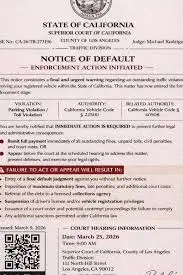
The message usually shows up as a text with an image attachment. That image is designed to look like a legit court document. It’ll often have a state seal or something that looks official, a heading like “Traffic Division,” and a case number that seems believable at first glance.
You’ll also see the name “Judge Michael Rodriguez” printed on it, along with something dramatic like “NOTICE OF DEFAULT” or “Enforcement Action.” The wording is meant to push urgency, talking about unpaid fines, possible license suspension, or legal action if you don’t respond quickly.
And then there’s the hook: a QR code or link telling you to “settle” the balance right away.
Why People Fall for It
Honestly, this one works because it plays on fear. Nobody wants to mess around with court issues or traffic violations, especially when it looks like it’s already escalated. The language is intentionally serious, and the format looks just official enough to make you second-guess yourself.
Plus, getting something like this by text makes it feel immediate. Like you need to deal with it right now before things get worse.
That’s exactly what the scammers want.
The Dead Giveaway Signs
Once you slow down for a second, the cracks start to show. Real courts don’t send legal notices through random text messages with image attachments. They don’t ask you to scan QR codes to pay fines. And they definitely don’t rush you into making immediate payments through unofficial links.
The case numbers are fake, the documents are fabricated, and the judge’s name is being used without any real connection to the message. It’s all designed to look real, but it isn’t backed by anything legitimate.
What Happens If You Click or Scan
This is where things get risky. If you scan the QR code or click the link, you’ll usually end up on a fake payment page that looks like an official government site. That’s where they try to collect your personal info, name, address, card details, sometimes even more.
In some cases, it can also lead to malware or tracking attempts, depending on how the scam is set up. Either way, it’s not something you want to interact with.
What You Should Do Instead
If you get one of these messages, don’t engage with it. Don’t click, don’t scan, don’t reply. Just delete it. If you’re genuinely worried about a traffic ticket or court issue, check directly through your local court’s official website or contact them using verified information, not anything provided in that message.
That’s the safest way to handle it.
Conclusion
This fake Judge Michael Rodriguez traffic notice scam is a good reminder of how far phishing tactics have come. It’s not just sloppy emails anymore, now it’s realistic-looking documents, legal language, and smart use of fear to push people into acting fast.
But once you know what to look for, it’s easier to spot. Courts don’t operate this way, and anything demanding immediate payment through a text message should raise a red flag instantly. When in doubt, slow down and verify, because scams like this rely on you doing the opposite.
From the foregoing, it is crystal clear that it is a scam like the Kelly Services scam,