
If you have seen an advert for Glyco Defender drops claiming to reverse type 2 diabetes, you may have wondered whether this is a genuine product worth trying or another online supplement scam. The adverts are designed to grab attention, especially if you or someone in your family has been struggling to manage blood sugar levels. They promise an easier solution and use familiar faces to make the claims look convincing. But there is a serious problem with the way Glyco Defender is being promoted: fake videos featuring well-known doctors and celebrities are being used to make people believe they support a remedy that may have nothing to do with them.
The names being used include Dr. Phil, Dr. Oz, Dr. William Li, Patti LaBelle and journalist Scott Pelley. These are people many viewers recognise, so seeing them apparently discuss a diabetes breakthrough can make the product seem more trustworthy than it really is. The trouble is that AI-generated videos can make it look as though someone has said something they never actually said. A familiar face and a convincing voice are no longer enough to prove that an endorsement is real.
In this review, I will look at the claims surrounding Glyco Defender, how the fake endorsements fit into the sales pitch, and what buyers should know about the websites selling the drops. I will also explain why the positive reviews and promises of diabetes reversal deserve careful scrutiny before anyone hands over their payment details.
What Is Glyco Defender?
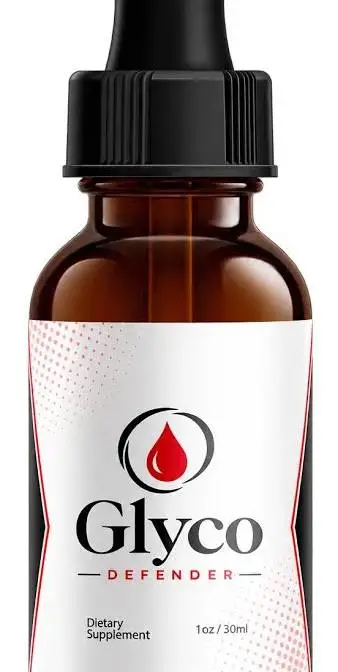
Glyco Defender is marketed as a liquid supplement for people who want to manage their blood sugar or improve their type 2 diabetes. Its online promotions reportedly link the drops to simple ingredients such as honey, cinnamon and olive oil, presenting them as part of a natural remedy that can supposedly do what conventional treatment has not.
That kind of message can be very appealing. Managing diabetes takes ongoing effort, and it is understandable that people want something that makes the process easier. An advert suggesting that a few drops could help reverse the condition may sound like the answer someone has been hoping to find, particularly when the message is delivered by a person they already know and trust.
However, a natural ingredient is not proof that a finished supplement can reverse diabetes. Honey, cinnamon and olive oil have different properties, and their presence in a product does not establish that the product can safely replace diabetes medication or reliably bring blood sugar levels under control. The important question is whether Glyco Defender itself has good clinical evidence to support its claims, rather than whether its advertised ingredients sound familiar.
I could not establish from the information available that Glyco Defender has been proven to reverse type 2 diabetes. That is a major problem when such a serious health claim is being used to persuade people to buy a supplement.
The Dr. Phil and Dr. Oz Videos: Are They Real?
One of the most troubling parts of the Glyco Defender promotions is the use of well-known faces to make the product appear legitimate. Dr. Phil and Dr. Oz have spent years appearing on television, discussing health and speaking to audiences who may trust their advice. Dr. William Li is also known for his work in health and nutrition, while Patti LaBelle and Scott Pelley are familiar to many viewers for different reasons.
Scammers know that people are more likely to pay attention when a familiar person appears to recommend a product. Instead of explaining why a supplement should be trusted, they make it look as though a respected doctor has already done that work for them. A video may appear to show one of these figures revealing a hidden diabetes cure or explaining how everyday ingredients can supposedly reverse the condition.
The problem is that AI tools can create videos that imitate a real person’s face and voice. Someone watching a clip on Facebook may not immediately notice that the person is being impersonated, especially when the video is edited to look like a news report or television interview. These clips can then be shared alongside links to supplement sales pages, making the whole promotion appear more credible.
The Glyco Defender promotions described here use the names of several public figures, but I found no reliable evidence establishing that these people genuinely endorse the drops. Their apparent involvement in an advert should not be taken as proof of an endorsement. If a video claims that a famous doctor has discovered a simple cure for diabetes, look for the same announcement on that person’s verified channels or an established news source before believing it.
Can Glyco Defender Really Reverse Type 2 Diabetes?
This is the claim that deserves the most attention. Glyco Defender is promoted around the idea that people can improve their blood sugar through a simple supplement, with some adverts suggesting that type 2 diabetes can be reversed. That is a much bigger promise than simply supporting general health.
Type 2 diabetes can sometimes go into remission, meaning blood sugar levels fall below the diabetic range without the need for glucose-lowering medication. However, remission is not the same as a permanent cure, and it does not mean that one particular supplement can achieve the result for everyone. Diabetes management depends on several factors, including a person’s health, diet, activity levels, treatment and medical history.
Honey, cinnamon and olive oil may sound like ordinary kitchen ingredients, but that does not make a mixture containing them a proven diabetes treatment. In particular, honey contains sugars that can raise blood glucose levels. A product cannot be considered an effective diabetes remedy simply because its advert mentions natural ingredients or uses scientific-sounding explanations.
I could not verify reliable clinical evidence showing that Glyco Defender reverses type 2 diabetes. Without that evidence, the claims used to sell it should not be trusted. Anyone living with diabetes should continue following their prescribed treatment and speak with their healthcare professional before trying a supplement that claims to affect blood sugar. Stopping medication because of an online advert could have serious consequences.
Are the Positive Glyco Defender Reviews Genuine?
Searching for Glyco Defender reviews can lead people to pages that appear to offer independent opinions about the product. Some may look like detailed health articles, while others may resemble news reports or personal success stories. The problem with this type of promotion is that a page can look independent even when its main purpose is to get readers to buy something.
Fake review sites and sponsored articles can tell a very convincing story. They may describe someone who struggled with diabetes for years, discovered a simple remedy and then supposedly saw dramatic results. The story is often paired with impressive claims and a link to the product. Unless those experiences can be checked, there is no good reason to assume they are genuine customer accounts.
I would be particularly cautious about reviews that repeat the same claims found in the adverts, especially if they rely on celebrity endorsements or promise that blood sugar problems can be solved without the usual effort. Genuine customer feedback can be useful, but even a real person’s positive experience would not prove that a supplement reverses diabetes.
I could not establish that the positive Glyco Defender reviews described in these promotions provide reliable, independent evidence of the product’s effectiveness. I would not use them as a reason to buy the drops, and I would certainly not make decisions about diabetes treatment based on them.
Hidden Subscription Fees and Other Charges
Another issue raised by the Glyco Defender promotions is the possibility of recurring monthly charges and additional offers during checkout. Some supplement sales funnels use a low introductory price to attract buyers, then encourage them to purchase extra bottles or other products. In some cases, customers may also agree to recurring payments without fully understanding the terms.
I have not verified the exact billing arrangements for every website selling Glyco Defender, so I would not claim that every order automatically leads to a subscription. However, the possibility of recurring charges is worth checking before entering your card details, particularly when the product is being sold through an unfamiliar website.
Read the payment page carefully and look for wording about monthly deliveries, automatic renewals, trial periods and cancellation fees. Check the final total before confirming your purchase, and save a copy of the order confirmation and terms. If the website makes it difficult to understand how much you will pay or whether further payments will be taken, I would walk away rather than risk an unpleasant surprise.
Be equally careful with upsells that appear after you have selected the original product. An offer for extra bottles may seem like a bargain, but there is little reason to spend more on a supplement whose main health claims have not been established.
Why Are These Glyco Defender Ads Still Appearing Online?
It is frustrating to see misleading health promotions circulate on social media, especially when they target people who may already be worried about their health. Facebook and other platforms allow advertisers to reach large audiences quickly, and a convincing video can be shared many times before viewers realise that something is wrong.
AI-generated videos have made the problem harder to spot because they can imitate familiar people and create the appearance of a genuine interview. Scammers can also change the wording, use fake news-style graphics and direct viewers to websites designed to look like legitimate health publications. A video that appears professional is not necessarily trustworthy.
Social media platforms have rules against deceptive advertising and impersonation, but enforcing those rules across large numbers of adverts and accounts is difficult. That does not make the promotions acceptable, and it does not mean that a product is legitimate simply because an advert is still visible online.
For Glyco Defender, the important point is that the advertising itself should not be treated as proof. A famous face, a dramatic personal story or a page designed to resemble a news report does not establish that the supplement works.
Is Glyco Defender a Scam?
Based on the reported use of AI-generated celebrity endorsements, unproven diabetes reversal claims and sales pages that may imitate independent reviews, I would treat the Glyco Defender promotions as highly suspicious. The alleged endorsements have not been established as genuine, and I could not verify reliable clinical evidence that the drops reverse type 2 diabetes.
I cannot confirm that every seller using the Glyco Defender name operates in exactly the same way, or that every bottle sold under that name has identical ingredients. However, the marketing described here gives consumers good reason not to trust the product’s health claims or buy it because of the celebrity videos.
The most serious concern is that people may be persuaded to spend money on a supplement while believing they have found a shortcut to managing diabetes. Anyone selling a product with claims this significant should be able to provide clear, reliable evidence rather than relying on videos that appear to show famous people endorsing it.
Avoid the Glyco Defender Diabetes Claims
I would not buy Glyco Defender based on the adverts described here. The use of familiar faces, claims about reversing type 2 diabetes and positive reviews that are difficult to verify do not give me confidence in the product. I also could not establish that the drops have been proven to deliver the results promised in the promotions.
If you have seen a Glyco Defender advert featuring Dr. Phil, Dr. Oz, Dr. William Li, Patti LaBelle or Scott Pelley, do not assume that the person has approved the product. Check their verified channels and look for a genuine announcement before believing the endorsement. Be just as careful with websites that look like news reports or independent reviews but lead straight to a checkout page.
My advice is to stay away from Glyco Defender’s unproven diabetes reversal claims and keep your money until there is reliable evidence to support them. Managing type 2 diabetes can be difficult, and people deserve honest information rather than fake celebrity videos and promises of an easy cure. Do not stop prescribed medication or change your treatment because of anything shown in these adverts.
Check out Necklow Sleep Pillow that I reviewed, earlier.