
If your doctor has recommended an iRhythm Zio heart monitor, you may be wondering whether the company is legitimate, especially if you have come across complaints about medical bills, customer service, or reports of patient information being exposed. It is understandable to have questions when a company is handling both your health information and a device intended to help detect potentially serious heart problems. You want the monitor to do its job, the results to reach your doctor, and the billing process to make sense without having to spend hours chasing answers.
iRhythm Technologies is a legitimate medical technology company, not a fake medical supplier or an online operation selling a product that does not exist. The company is publicly traded on Nasdaq under the ticker symbol IRTC and is known for its Zio heart-monitoring patch, which doctors use to record a patient’s heart rhythm over an extended period. However, being a legitimate company does not mean it has never faced problems. iRhythm has dealt with regulatory scrutiny, patient complaints, and reported cybersecurity concerns, all of which deserve a closer look before drawing conclusions about the company.
What Is iRhythm Technologies?
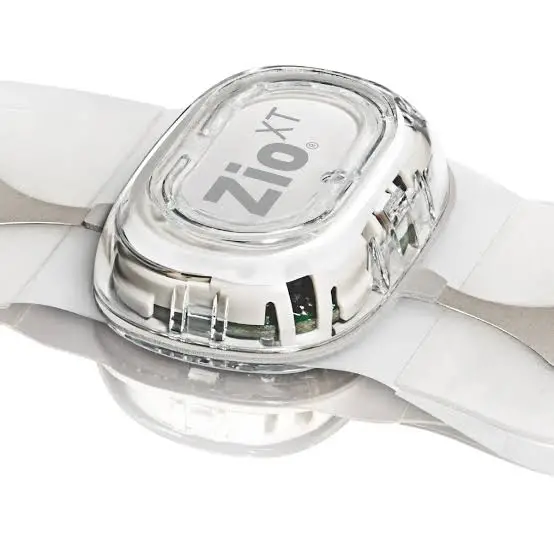
iRhythm Technologies was founded in 2008 and specialises in ambulatory cardiac monitoring, which allows doctors to examine a patient’s heart rhythm while they go about their normal activities rather than relying entirely on a brief recording taken during an office visit. Its best-known product is the Zio patch, a wearable monitor that records electrical activity from the heart for a prescribed period.
A doctor may recommend this type of monitoring when a patient experiences symptoms such as palpitations, dizziness, fainting, or episodes of an irregular heartbeat that might not occur during a standard electrocardiogram. The recorded data can help clinicians identify abnormal rhythms, including atrial fibrillation, and decide whether further investigation or treatment is needed.
The patch is designed to be worn during everyday activities, making it useful for people whose symptoms come and go. Once the monitoring period is complete, the device is returned for analysis, and a report is provided to the healthcare professional responsible for the patient’s care. It is not a smartwatch that gives every patient a live diagnosis, nor should it be treated as a replacement for emergency medical attention when serious symptoms develop.
The product itself is real, and iRhythm operates within the medical technology industry. The more relevant questions are whether the company’s practices meet the standards patients should expect, how it handles their sensitive information, and what happens when something goes wrong.
The iRhythm Data Breach: What Happened to Patient Information?
One of the most serious recent concerns involving iRhythm is its cybersecurity incident in June 2026. According to a company filing with the U.S. Securities and Exchange Commission, iRhythm discovered unauthorised activity involving certain third-party business applications on June 8. The company subsequently received a demand from a threat actor who claimed to have obtained sensitive information, including patient records and other personal data. iRhythm confirmed that some information had been taken.
In an update published on October 2, 2026, iRhythm said its investigation had established that unauthorised individuals accessed and downloaded data between June 3 and June 8. The affected information included patient names, addresses, email addresses, telephone numbers, dates of birth, insurance numbers, patient account numbers, device serial numbers, and dates of service. The company began notifying affected individuals after completing its investigation.
This matters because medical information can make a fraudulent message much more convincing. Someone who knows that you recently wore a heart monitor, for example, might pretend to be calling about your test results, an outstanding bill, or an insurance claim. If the caller also knows your name, date of birth, or device details, you may have less reason to question their identity.
There is an important qualification, though. iRhythm said it had found no evidence that the exposed personal information had been used, or would be used, to commit identity theft. That does not eliminate the possibility of future misuse, but it would be inaccurate to claim that every affected patient has already become a victim of fraud. The company also reported that the incident had not affected its medical devices, clinical systems, patient safety, manufacturing, or distribution operations.
If you receive an unexpected call or email claiming to be from iRhythm, your healthcare provider, or an insurance company, do not rely on the caller’s knowledge of your medical history as proof of identity. Contact the organisation using a number from its official website or paperwork you already trust, and avoid sharing passwords, verification codes, or payment details with an unsolicited caller. If you receive a breach notification, follow the instructions provided and monitor your insurance statements and other relevant accounts for activity you do not recognise.
FDA Warning Letter: Why Was iRhythm Investigated?
The company has also faced regulatory scrutiny. On May 25, 2023, the U.S. Food and Drug Administration issued a warning letter concerning iRhythm’s Zio AT cardiac monitoring system. The letter described concerns about marketing claims that suggested the device was intended for near-real-time monitoring of high-risk patients, even though its existing clearance did not cover the expanded intended use described in those materials.
The FDA also raised concerns about limitations on the number of cardiac events the system could transmit, failures to adequately address certain problems through corrective and preventive action procedures, and cases in which patient data could remain inaccessible when device registration was incomplete. The agency’s review of complaints included reports involving serious arrhythmias that had not been reported to physicians, as well as two deaths discussed in the letter. These were serious findings, not simply complaints about an inconvenient device.
However, the letter should be read in context. It concerned particular device systems, intended-use claims, and quality-control issues identified during an inspection. It does not establish that every Zio monitor is defective or that iRhythm is a fake company. The FDA also reviewed subsequent responses from iRhythm and stated that the company’s responses to certain issues appeared adequate, while requesting additional details about corrective actions in other areas.
For patients, the practical lesson is to understand what type of monitor their doctor has prescribed and how the results will be reviewed. If you have questions about whether a device provides continuous recording, remote notifications, or a final report after the monitoring period, ask your healthcare provider to explain the specific system being used. A monitor intended for routine ambulatory testing should not be assumed to provide the same immediate alerts as equipment used in a hospital’s critical-care unit.
iRhythm Complaints: Unexpected Bills and Customer Service
Another issue patients may encounter is the cost of cardiac monitoring. Someone might agree to wear a patch because their doctor recommends it, only to receive a bill later that is much higher than expected. Others may have trouble getting a clear explanation of insurance coverage, understanding what their plan paid, or reaching the right department to resolve a billing dispute.
Complaints about customer service and billing deserve attention, but an individual report does not automatically establish that a company is deliberately overcharging everyone. The final cost of a medical monitoring service can depend on the insurance plan, the patient’s deductible, network arrangements, the services billed, and how the claim is processed. Without examining the actual bill and the applicable insurance benefits, it is difficult to determine whether a charge is incorrect.
Before wearing a Zio patch, ask your doctor’s office and insurer whether the monitoring service is covered, whether prior authorisation is needed, and what out-of-pocket costs you might face. If a bill arrives that does not make sense, request an itemised statement and compare it with your insurer’s explanation of benefits. You can also ask iRhythm’s billing department to explain the charge and review any discrepancy. Keep copies of correspondence and reference numbers so you do not have to start the explanation from scratch each time you contact someone.
These steps will not guarantee a smooth experience, but they can help you identify whether the problem is an insurance-processing issue, a misunderstanding about coverage, or a genuine billing error.
So, Is iRhythm Legit or a Scam?
iRhythm is a legitimate medical technology company that develops and provides cardiac monitoring services used by healthcare professionals. Its Zio patch is a real medical device, and the company is publicly traded on Nasdaq under the ticker IRTC. There is no sound basis for describing the entire business as a scam simply because it has faced complaints or regulatory action.
That does not mean patients should ignore the company’s record. The 2023 FDA warning letter documented significant concerns involving device marketing, transmission limitations, and quality-control procedures. The 2026 cybersecurity incident also confirmed that unauthorised individuals accessed and downloaded sensitive patient information. These are legitimate reasons to ask questions about safety, data protection, and the company’s handling of problems.
iRhythm is not a scam, but its regulatory history and confirmed data breach are serious issues that patients should understand. If your doctor has prescribed a Zio monitor, do not stop or refuse medically recommended monitoring solely because of this article. Discuss any concerns with your healthcare provider, clarify the expected cost, and make sure you understand how your results will be delivered. If you receive a notification about the data breach, take it seriously and follow the company’s guidance.
Ultimately, patients should be able to trust that their medical information will be protected, that device limitations will be communicated clearly, and that billing questions will receive proper answers. iRhythm’s legitimacy as a company does not remove its responsibility to meet those expectations.
Check out Necklow Sleep Pillow that I reviewed, earlier.