
If you’ve recently searched for NeuroSilence reviews, you’ve probably seen that viral video featuring Dr. Mehmet Oz talking about a “breakthrough” for tinnitus.
I’ll be honest, at first glance, it looks convincing.
But once you slow down and really pay attention, things start to fall apart.
What Is NeuroSilence?
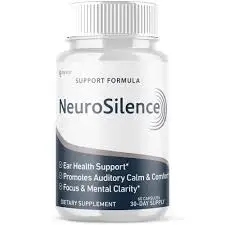
NeuroSilence is being sold as a supplement designed to reduce or even eliminate tinnitus, that constant ringing or buzzing in the ears.
The marketing pushes it as some kind of hidden solution that mainstream medicine supposedly ignores.
Sounds familiar, right?
TThe Dr. Oz Video: Not What It Seems
Let’s address the biggest hook: the video.
The ad makes it look like Dr. Mehmet Oz and even Major Garrett from Face the Nation are discussing NeuroSilence.
Here’s the truth:
- The video is AI-generated (deepfake)
- Neither of them has endorsed this product
- Their likeness is being used without permission
That’s a major red flag.
NeuroSilence Reviews: Real or Just Marketing?
I tried to find genuine NeuroSilence reviews and complaints from actual users.
What I found instead:
- Long promotional pages pretending to be reviews
- Repeated scripts with slightly different wording
- No solid, verifiable user experiences
Even the testimonials in the video feel staged, more like actors reading lines than real people dealing with tinnitus.
Does NeuroSilence Actually Work?
This is where things get even more uncertain.
There’s currently:
- No credible scientific proof backing the claims
- No clinical studies linked to the product
- No medical endorsements from real professionals
That doesn’t automatically mean it can’t work, but there’s nothing reliable showing that it does.
And for something like tinnitus, that’s not a risk most people want to take.
The Marketing Pattern (And Why It Feels Familiar)
If you’ve seen other supplement ads online, you’ll recognize the pattern:
- “Doctors don’t want you to know this” angle
- Emotional storytelling to pull you in
- A long video before you can even see the price
- Urgency tactics pushing you to buy quickly
It’s the same formula used in many questionable health product funnels.
There are also mentions of money-back guarantees, but details are vague and that’s usually where people run into issues later.
Missing Information That Should Be There
One thing that stood out to me while researching this was how little basic information is available.
I couldn’t find:
- A verified company behind NeuroSilence
- A clear manufacturing location
- A named founder or medical team
For a health product, that lack of transparency is concerning.
What About Buying It on Amazon or Walmart?
Some people assume buying from big platforms makes things safer.
Not necessarily.
Products like NeuroSilence are often sold through third-party sellers, and those platforms don’t verify whether the claims are true.
So seeing it listed there doesn’t make it any more trustworthy.
Is NeuroSilence a Scam?
Based on everything above, here’s the honest answer:
- The marketing is definitely misleading (especially the deepfake videos)
- The product itself has no credible proof of effectiveness
- There’s very little transparency about who’s behind it
So while I’d be careful using the word “scam” for the product itself, the way it’s being promoted is a big problem.
If You’ve Already Bought It
If you feel uncomfortable after purchasing:
- Contact your bank or card provider
- Keep records of your transaction
- Speak to a qualified doctor about your symptoms
You’re not alone, a lot of people have been drawn in by ads like this.
Conclusion
The buzz around NeuroSilence reviews is largely driven by clever and in this case, misleading, advertising.
Using AI-generated videos of trusted figures like Dr. Mehmet Oz makes it feel legitimate, but once you look closer, there’s no real substance behind the claims.
When it comes to tinnitus, it’s worth sticking with options that are backed by real research and real professionals, not anonymous supplements built around hype.
Check out the Frownies Patch I reviewed earlier.