
Stallion Power is being promoted through online videos that promise men a simple way to improve their sexual performance, but the marketing behind this supplement raises serious questions. One version of the pitch revolves around a supposed baking soda recipe or a “horse soda trick” that viewers are encouraged to believe holds the secret to better male performance. The advertisement then leads into a lengthy sales video, where the real objective becomes clearer: getting viewers to buy Stallion Power Gummies.
What caught my attention is the way these promotions use familiar faces to make the story more believable. Bill Gates, Dr. Peter Attia, Kevin Costner, Sylvester Stallone, Harrison Ford, Jean-Claude Van Damme, and RFK Jr. are among the names and likenesses reportedly used in the promotional material. However, I found no credible evidence that any of these individuals has endorsed Stallion Power. The videos appear to rely on AI-generated or manipulated footage to create the impression that well-known people are revealing a secret they would not normally discuss publicly.
This is not simply a case of a supplement making exaggerated promises about what it can do. The bigger problem is the way the product is being sold, using misleading celebrity endorsements, a supposed home remedy, and a sales process that may expose customers to unexpected charges. Anyone searching for Stallion Power reviews, ingredients, or information about where to buy it should understand what is happening before entering their payment details.
What Is Stallion Power?
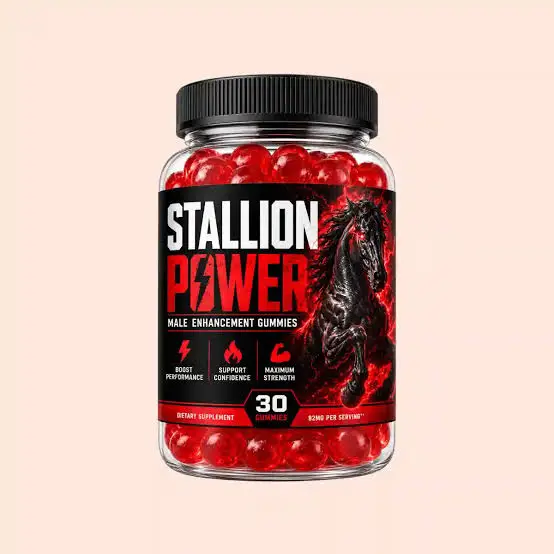
Stallion Power is marketed as a male enhancement supplement in gummy form. Its advertising targets men who want to improve their sexual performance and may be looking for an alternative to conventional treatments. Gummies are an easy product to sell because they appear simple to use, and the format can make a supplement seem less intimidating than pills or other products associated with sexual health.
The problem is that the promotional story surrounding Stallion Power appears to do much of the selling. Rather than allowing customers to assess a straightforward list of ingredients and supporting evidence, the marketing draws them into a presentation built around a secret recipe, supposedly suppressed information, and celebrity figures who appear to lend their credibility to the claims.
I would want to see the complete ingredient list, the amounts of each ingredient, and reliable evidence supporting the product’s advertised benefits before considering a supplement like this. A convincing sales video cannot establish that a gummy improves erections, increases testosterone, or produces any other particular result. Those claims need evidence relating to the actual product, not just a presenter telling an engaging story.
The Stallion Power Baking Soda Trick Explained
The baking soda angle is one of the main hooks used to attract attention to this promotion. People searching online for a natural way to improve male performance may come across claims about a simple drink made with baking soda, sometimes described as a “horse soda trick.” The wording makes the supposed remedy sound unusual enough to encourage people to click and find out what they have been missing.
The presentation encourages viewers to believe that an everyday household ingredient may hold the answer to a private health concern. That can be particularly effective when the advertisement suggests that the recipe is an overlooked secret rather than something openly discussed in ordinary health information. Once viewers are interested, they are directed towards a much longer video that shifts the focus to Stallion Power Gummies.
I could find no credible evidence establishing that this supposed baking soda recipe is a proven treatment for erectile dysfunction or a reliable way to improve sexual performance. The central question is not whether baking soda has legitimate household uses; it does. The question is whether drinking a particular mixture can deliver the sexual health benefits suggested by this advertising, and the promotional story does not establish that it can.
There is also a practical reason not to experiment with a baking soda drink simply because a video recommends it. Baking soda contains sodium, and consuming excessive amounts can cause serious problems, including dangerous electrolyte disturbances. It can also be unsuitable for people with certain health conditions or those who need to limit their sodium intake. I would not use a homemade drink as a substitute for proper medical advice about erectile difficulties.
The important point is that the baking soda story appears to be a way of getting people interested in the sales presentation. Viewers may click because they want the recipe, only to spend a considerable amount of time watching a pitch for a supplement they had not originally intended to buy.
Is the Bill Gates Stallion Power Video Real?
The Bill Gates angle deserves particular attention because his name carries considerable public recognition. A video suggesting that Gates has discovered, investigated, or revealed a secret male enhancement formula can make an unfamiliar product appear to have a level of credibility it has not earned.
However, there is no credible evidence presented here that Bill Gates endorses Stallion Power. The same applies to the other well-known individuals whose names or likenesses reportedly appear in these promotions, including Dr. Peter Attia, Kevin Costner, Sylvester Stallone, Harrison Ford, Jean-Claude Van Damme, and RFK Jr.
AI-generated video and voice technology can now produce convincing imitations of real people. Scammers can combine fabricated speech, altered footage, and misleading editing to make it appear that a public figure is discussing a product or revealing information about a supposed medical breakthrough. Someone watching on a phone may not immediately notice anything unusual, particularly when the clip is surrounded by captions and other material designed to make it resemble a legitimate interview.
I would not accept the Stallion Power videos as genuine endorsements without independent confirmation from the individuals involved or their authorised representatives. A familiar face appearing on screen does not mean that person has tested the product, supports its claims, or even knows the advertisement exists.
This is especially troubling with a male enhancement supplement because people may make purchasing decisions based on what they believe is trusted medical or scientific advice. If a video falsely attributes health claims to a respected doctor or public figure, it can mislead consumers who are already worried about their health or sexual performance.
Why Does the Stallion Power Video Last So Long?
The long sales presentation is another part of the promotion worth understanding. Instead of giving viewers the information they need upfront, the video draws them through an extended story about the alleged discovery, the supposed recipe, and the benefits they might experience. The viewer may initially believe they are watching an explanation of a natural remedy, only to discover that the presentation is primarily designed to sell a commercial supplement.
Long sales videos are not automatically fraudulent, and a lengthy explanation is not proof that a product is bad. In this case, however, the combination of questionable celebrity endorsements and the baking soda hook makes the presentation much harder to trust. When a sales pitch depends on fabricated-looking footage and extraordinary claims, its length does not make the claims more credible.
The time invested can also affect how people respond to the offer. After watching a video for 30 minutes or longer, a viewer may feel more inclined to continue because they want to see how the story ends. If the presentation then introduces a limited-time offer or suggests that the opportunity may disappear, the viewer may feel pressured to buy without carefully reviewing the terms.
I would skip the sales pitch and look for independently verifiable information about the company, the product’s ingredients, the actual cost, and the conditions attached to the purchase. If those details are difficult to establish without watching an extended promotional video, that is a good reason to step back rather than continue towards checkout.
Stallion Power Gummies: Ingredients and Effectiveness
One question buyers are likely to ask is whether Stallion Power Gummies actually work. Unfortunately, the promotional claims alone do not provide a reliable answer. To assess a male enhancement supplement properly, consumers need to know precisely what it contains, how much of each ingredient is included, and whether there is credible clinical evidence supporting the claimed effects at those doses.
I do not have enough independently verified product information to confirm the complete Stallion Power formula or establish that the gummies deliver the benefits suggested in the advertising. It would be misleading to invent an ingredient list or claim that the product has been clinically tested when that has not been established.
Even when a supplement contains ingredients that have been studied individually, the findings cannot automatically be applied to the finished product. The amounts used, the combination of ingredients, and the quality of the research all matter. A manufacturer needs evidence that supports the claims it makes about its own formulation rather than relying on general statements about male health.
Men experiencing erectile difficulties should also be aware that the problem can have several underlying causes, including cardiovascular conditions, diabetes, medication effects, hormonal issues, and psychological factors. A gummy promoted through a celebrity video cannot identify or treat the cause simply because the advertising promises improved performance. Speaking with a qualified healthcare professional is a more useful starting point than relying on a product sold through questionable marketing.
Stallion Power Website, Hidden Terms and Subscription Charges
The checkout process is another reason I would be careful with this offer. The promotional material has been reported to use a somewhat hidden, pre-checked box relating to the terms of service and refund policy. Customers who move quickly through checkout may overlook what they are agreeing to, particularly if the page emphasises a discount or encourages them to complete their purchase immediately.
The possibility of recurring subscription charges deserves particular attention. Some online supplement offers use an initial purchase to enrol customers in ongoing billing, with the details explained in terms that buyers may not notice before paying. I cannot confirm that every Stallion Power order results in recurring charges, but anyone considering the product should establish whether the checkout authorises future payments and how those payments can be cancelled.
Before entering card details, I would read the full terms and look for the total amount due today, any future billing amount, the frequency of charges, the cancellation procedure, and the conditions for receiving a refund. Check whether the terms are displayed clearly and whether the seller provides a verifiable business identity and working customer support contact.
Do not assume that a small initial payment represents the full cost of the offer. If the checkout includes an agreement to ongoing charges, that commitment can make an apparently inexpensive supplement considerably more costly than expected. Save a copy of the checkout page and the terms that applied when you ordered, since those records may be useful if you later need to dispute a charge.
Is Stallion Power a Scam or Legit?
Based on the promotional practices described in my investigation, I would treat Stallion Power as a highly suspicious offer and would not recommend buying it. The supposed baking soda trick has not been established as a proven male enhancement treatment, the celebrity endorsements lack credible verification, and the use of AI-generated or manipulated footage raises serious concerns about how the product is being marketed.
The reported checkout practices add to those concerns, particularly the pre-checked terms box and the possibility of recurring charges. Consumers should be able to understand what they are buying, who is selling it, and whether they are authorising future payments without having to work through a lengthy sales presentation.
I cannot establish from the available information who operates every website involved in the promotion or whether all versions of the offer have identical billing arrangements. Nevertheless, the marketing described here gives consumers good reason to avoid the product unless the seller can provide clear, independently verifiable information about its identity, ingredients, billing terms, and evidence supporting its claims.
My conclusion is that Stallion Power appears to be part of a deceptive supplement marketing operation rather than a trustworthy male enhancement offer. I would not rely on its videos, the celebrity names attached to them, or the supposed baking soda recipe as evidence that the product works.
What to Do If You Have Already Bought Stallion Power
If you have already ordered Stallion Power Gummies, check your receipt and bank statement to establish how much you paid and whether any additional charges have appeared. Review the terms you accepted at checkout and contact the seller in writing if you need to cancel a subscription or request a refund. Keep copies of your messages, order confirmation, and any cancellation requests.
If you see charges you did not authorise, or the seller refuses to address a billing problem, contact your bank or card provider promptly. Explain what happened and ask whether you can dispute the transaction or block further payments. Do not wait for repeated charges to accumulate before asking what options are available.
You can also report suspected online fraud to the FBI’s Internet Crime Complaint Center at IC3.gov. Provide the website address, details of the advertisement, payment records, and any messages you received. If you are outside the United States, consider reporting the matter to your country’s relevant consumer protection or cybercrime authority as well.
Most importantly, do not feel embarrassed if you clicked on the advertisement or bought the product. These promotions are designed to look convincing, and AI-generated videos can make fabricated endorsements difficult to recognise. What matters now is protecting your payment information, checking for further charges, and avoiding any additional purchases based on promises that have not been substantiated.
Check out Necklow Sleep Pillow that I reviewed, earlier.