
There are some products that make you stop and wonder how they are supposed to work. StopWatt is one of them. It is sold as an energy-saving device that you simply plug into a wall outlet, leave it running, and supposedly watch your electricity bill go down. The sales videos make the whole thing sound almost too easy.
That is exactly where I started looking closer.
I’ve held a StopWatt device in my hand before, and after looking at what it actually does compared with what the advertisements claim, I would not buy one expecting it to reduce my electric bill. The green light comes on, but that does not mean the device is saving you money.
So, is StopWatt legit? Does StopWatt really work? And what about all those videos mentioning “dirty electricity,” Shark Tank, licensed electricians, Nikola Tesla and Thomas Edison? There is quite a bit to clear up.
What Is StopWatt Supposed to Do?
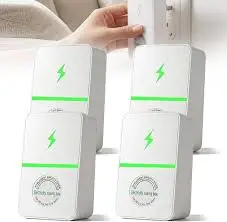
StopWatt is marketed as a small plug-in electricity-saving device. The idea is simple: plug it into an outlet in your home and supposedly it will improve the quality of the electricity flowing through your electrical system.
The marketing often uses terms such as “dirty electricity,” power surges, electrical waste and power optimization. The device is presented as a simple way for homeowners to supposedly use electricity more efficiently without changing their appliances or doing any major work.
That sounds appealing, especially when electricity bills keep climbing.
The problem is that the advertising goes much further than what a little plug-in box can realistically accomplish.
Does StopWatt Really Lower Your Electric Bill?
Based on my investigation, I would not rely on StopWatt to lower your household electricity bill.
The device may light up when it is plugged in, but a green indicator light is not evidence that the product is reducing your home’s electricity consumption. It simply tells you that the device has power.
This is an important distinction because the advertisements make it sound as though the device is actively finding wasted electricity and eliminating it.
Your electricity bill is largely based on how much energy your appliances and other electrical equipment actually consume. A tiny plug-in box cannot simply make a refrigerator, air conditioner, water heater or other major appliance use substantially less electricity just because it is connected somewhere else in the house.
That is why I would be very skeptical of StopWatt reviews claiming dramatic reductions in electricity bills.
The “Dirty Electricity” Claim
One of the biggest things that caught my attention was the repeated use of the phrase “dirty electricity.”
It sounds technical, and that is probably part of why the sales pitch is so convincing.
The advertisements suggest that unwanted electrical interference is wasting power in your home and that StopWatt can filter it out, leaving you with cleaner and more efficient electricity.
But consumers should be careful about confusing electrical noise or interference with ordinary household electricity consumption.
Even if a device filters certain types of electrical noise, that does not automatically mean your electric meter will suddenly record dramatically less energy use.
The sales pitch turns a technical-sounding concept into a reason to buy a cheap-looking plug-in device. That is a major red flag for me.
Is StopWatt on Shark Tank?
This is another question that comes up constantly in StopWatt reviews: Was StopWatt featured on Shark Tank?
I found no reason to believe the product received a genuine endorsement from the television show.
Some advertisements use the familiar Shark Tank-style presentation to make the product appear as though it has been evaluated or approved by the show’s investors. That can make a product look much more trustworthy than it actually is.
A product appearing in an online video that mentions Shark Tank does not mean Shark Tank endorsed it.
This is one of the reasons I would not use “StopWatt Shark Tank” claims as evidence that the product works.
Who Is John Main?
The sales videos also introduce people such as “John Main,” who is presented as a highly experienced, 31-year licensed electrician.
There are also references to people such as “Mark Reynolds,” along with famous names including Nikola Tesla and Thomas Edison.
These details are designed to give the presentation an expert feel. But the important question is not whether a video can put an impressive name or professional title on the screen. The question is whether the person and their endorsement can actually be independently verified.
The videos I investigated have the characteristics of fabricated promotional content, including AI-generated or manipulated people and questionable expert identities.
That makes me very uncomfortable with treating anything said in those videos as independent evidence that StopWatt works.
What About the Backyard Maine YouTube Channel?
Another particularly misleading part of the marketing involves the Backyard Maine YouTube channel.
The scam-style promotions can give viewers the impression that Backyard Maine is somehow connected with StopWatt or has recommended the product.
That is not something consumers should assume.
The Backyard Maine YouTube channel has no involvement in this StopWatt scam promotion. If you come across an advertisement or video trying to connect the channel with StopWatt, treat that as a major warning sign rather than proof that the product has been tested or recommended.
This is a common trick with questionable products. A legitimate-looking YouTube channel or familiar name is used to make an unrelated product appear trustworthy.
Are the StopWatt Videos AI Generated?
This was another major red flag.
Some of the promotional videos feature people who appear to be real electricians or experts explaining the supposed technology. But the people, voices and presentations can be AI-generated or manipulated.
That is particularly dangerous because the viewer may assume they are watching an actual expert giving an honest product review.
The video can look polished, professional and convincing while the person speaking may not actually exist in the role being claimed. The references to Tesla, Edison, electricians and electrical engineering are also effective at making the product sound more scientific than it really is.Don’t mistake a convincing video for independent evidence.
StopWatt Reviews and Customer Complaints
When researching StopWatt reviews, I would pay much more attention to complaints about the buying process than to testimonials appearing on sales pages.
Questionable energy-saving products often follow a similar pattern. The advertisement promises an easy solution to high electricity bills, the customer is encouraged to order quickly, and the checkout process may contain additional offers or terms that are easy to overlook.
One issue consumers should watch closely is recurring monthly subscription charges.
Some websites selling these types of products may not make recurring charges completely obvious during the ordering process. A customer may think they are simply buying an energy-saving device and later discover additional charges appearing on their card.
That is why I strongly recommend reading the checkout page, terms and billing information carefully before entering your payment details.
If the website does not clearly explain exactly what you are buying and whether you are agreeing to recurring payments, I would walk away.
Does StopWatt Use a Subscription?
This is where things can become confusing.
The device itself is presented as a one-time purchase, but certain sales funnels associated with these products may include additional offers, memberships or recurring billing arrangements.
So don’t assume that seeing a low product price means that is the only amount you will ever be charged.
Before purchasing anything from a StopWatt sales website, check the final checkout screen carefully. Look for words such as monthly, recurring, membership, subscription, auto-renewal or future billing.
If the billing terms are hidden in small print or presented in a confusing way, that’s a good enough reason not to proceed.
StopWatt Scam or Legit?
So, is StopWatt a scam?
After looking at the product claims and the way it is promoted, I would stay away from it.
The biggest problem isn’t simply the little box itself. It is the marketing surrounding the product.
Fake Shark Tank associations, questionable expert endorsements, AI-generated presenters, Tesla and Edison references, “dirty electricity” claims and misleading connections to legitimate-looking YouTube channels all create an impression that the product has been scientifically proven when it hasn’t.
That is what concerns me most.
The Green Light Doesn’t Prove Anything
One of the easiest tricks in this type of marketing is giving the customer something visible to point to.
You plug the device into the wall and a green light comes on.
It looks like something is happening.
But a light turning green does not demonstrate that your electricity consumption has decreased. It doesn’t prove that your appliances are using less power, and it certainly doesn’t prove that your utility company will charge you less at the end of the month.
A working LED is not the same thing as proven energy savings.
How to Actually Reduce Your Electricity Bill
If your goal is to lower your utility bill, there are much more practical places to start.
Look at the appliances that consume the most electricity in your home. Heating, cooling, water heating, dryers and older appliances can have a much bigger effect on your bill than a tiny plug-in device.
Checking for energy waste, improving insulation, adjusting heating and cooling settings, using efficient appliances and paying attention to when you use high-energy equipment can make a meaningful difference.
Those solutions may not be as exciting as “plug this in and save hundreds,” but they are far more realistic.
Conclusion
After investigating StopWatt, I wouldn’t recommend buying it as a way to reduce your electricity bill.
The product is surrounded by claims that make it sound much more advanced than a simple plug-in box. The “dirty electricity” explanation sounds scientific, but it doesn’t establish that StopWatt can produce the dramatic savings advertised.
The supposed Shark Tank connection is another red flag, and consumers should be especially cautious about videos featuring people such as “John Main” and “Mark Reynolds” when those endorsements cannot be independently verified. The references to Tesla and Edison don’t prove anything either.
Then there is the issue of misleading sales funnels and possible recurring subscription charges, which can turn a supposedly cheap purchase into a much more expensive one.
My StopWatt review verdict is simple: I would not count on StopWatt to lower your electricity bill, and I would not trust the promotional videos as proof that it works.
If an energy-saving product really can save consumers significant amounts of money, I want to see clear evidence, transparent company information and independent testing. A glowing green light and an impressive-looking AI video aren’t enough.
Stopwatt just like the Esaver Watt would not do anything to reduce your electricity bills.