
The Tinnito Pen is advertised as a simple way to deal with tinnitus without wearing a device all day, taking medication or downloading another app. Sold through xeviola.com, this pocket-sized gadget supposedly uses neuromuscular stimulation and tiny electrical pulses to help calm the ringing, buzzing or whistling sounds that people with tinnitus often struggle with. The biggest selling point is the promise that just 30 seconds of use behind the ear can make the ringing fade. For someone who has spent sleepless nights listening to a persistent noise that nobody else can hear, that kind of promise is bound to attract attention. However, when a product suggests that a long-standing hearing problem can be relieved in half a minute, it is reasonable to ask what evidence supports the claim.
The Tinnito Pen is advertised at $39.99, reduced from $99.99, while a three-pack costs $99.95. The seller also offers a 30-day money-back guarantee, giving the impression that buyers can try the device without taking too much of a financial risk. But the price, the impressive-sounding technology and the guarantee do not tell us whether the pen actually works. After examining the product’s claims, the available review evidence and the concerns surrounding its marketing, I found several reasons to be cautious before placing an order.
What Is the Tinnito Pen?
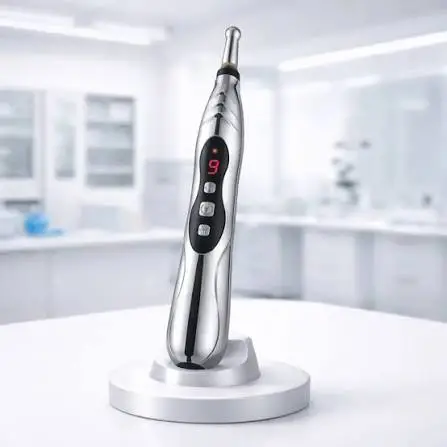
The Tinnito Pen is a small handheld electronic device marketed to people experiencing tinnitus, the perception of ringing or other sounds in the ears when there is no corresponding external sound source. The product is sold through Xeviola’s website and is designed to be held behind the ear for a short period, with the company recommending a 30-second routine.
According to the sales page, the pen uses micro-electric stimulation or neuromuscular stimulation to help calm the sensations associated with tinnitus. The appeal is obvious: instead of wearing a hearing device throughout the day or making changes to your daily routine, you are encouraged to use the pen briefly whenever you want relief. Its compact size also makes it easy to carry in a pocket or bag.
The marketing describes the process as straightforward, with no app to install and no complicated setup. However, the fact that a device is convenient to use does not establish that it can produce the medical results being advertised. The important question is whether the specific stimulation delivered by this pen has been shown to reduce tinnitus, and whether any improvement lasts beyond the brief period of use.
Can the Tinnito Pen Really Stop Tinnitus in 30 Seconds?
The promise of relief within 30 seconds is the central selling point, but it is also the claim that deserves the most scrutiny. Tinnitus is not a single condition with one simple cause. It can be associated with hearing loss, exposure to loud noise, earwax blockage, certain medications and other auditory or medical problems. Some people experience it occasionally, while others deal with persistent ringing that affects concentration, sleep and everyday activities.
A device that stimulates the skin behind the ear might produce a physical sensation that temporarily draws someone’s attention away from the ringing. That possibility, however, is not the same as proving that the device treats tinnitus or changes the underlying process responsible for it. A temporary change in how noticeable a sound feels would not necessarily mean the ringing had stopped, nor would it establish that the effect lasts after the device is put away.
I could not identify peer-reviewed clinical studies specifically demonstrating that the Tinnito Pen reliably relieves tinnitus within 30 seconds. The product’s sales claims therefore should not be treated as established medical facts. If Xeviola has well-designed clinical trials showing that its particular device works as advertised, those results should be available for buyers to examine rather than leaving them to rely on promotional descriptions.
The distinction matters because people with tinnitus may already have spent considerable time and money looking for relief. A promise of almost immediate results can sound especially attractive when other approaches have been disappointing, but that does not make the claim more credible. Before paying for the pen, I would want evidence showing how many people benefited, how the results were measured, how long any improvement lasted and whether the findings were independently reviewed.
Is the Tinnito Pen FDA-Cleared?
The product’s regulatory status is another important consideration. The available marketing information acknowledges that the Tinnito Pen is not FDA-cleared specifically for treating tinnitus. That means buyers should not assume that its advertised tinnitus benefits have been established through FDA clearance.
The US Food and Drug Administration does not approve dietary supplements in the same way it clears or approves medical devices and drugs, but the Tinnito Pen is an electronic gadget rather than a supplement. The relevant issue is whether the device has the regulatory authorisation required for its intended use and whether there is credible evidence supporting the claims being made about it.
A disclaimer stating that a product is not intended to diagnose, treat, cure or prevent disease would also sit uneasily beside marketing that promises to stop tinnitus in seconds. Such disclaimers do not automatically prove that a seller is operating a scam, but buyers should be wary when the headline promises sound much stronger than the limitations described in the small print.
I would not treat the absence of tinnitus-specific FDA clearance as proof that every possible use of the device is ineffective. However, combined with the lack of identifiable clinical evidence for this particular product, it leaves the central health claim unsubstantiated.
What About the Tinnito Pen Reviews?
Xeviola’s marketing displays a TrustScore of 4.3 based on 4,754 reviews. At first glance, a rating supported by thousands of reviews might reassure a buyer who is uncertain about ordering from an unfamiliar website. Most people naturally look for other customers’ experiences before spending money, particularly when a product is being promoted as a solution to a persistent health problem.
The problem is that I could not verify a corresponding Trustpilot profile supporting the specific rating and review count displayed in the sales material. That does not establish that every review shown by Xeviola is fabricated, but it means the figure should not automatically be treated as an independently verified Trustpilot rating. A seller’s own review display and a rating published on an independently accessible review platform are not necessarily the same thing.
I would want to know where the reviews originated, whether the purchasers can be verified and whether the feedback refers specifically to the Tinnito Pen rather than a similar product. It would also be useful to see detailed accounts explaining how long people used the device, what their tinnitus was like before treatment and whether any improvement continued after they stopped using it.
A high rating is not proof that a health-related product works, even when the reviews are genuine. Someone might be happy with the delivery, find the device easy to handle or appreciate the seller’s packaging without experiencing any improvement in tinnitus. For this product, evidence of a real and lasting effect matters far more than a large number displayed beside a star symbol.
Is the Tinnito Pen Just a Cheap Electronic Pen?
Another concern is that similar generic electronic stimulation or acupuncture-style pens appear to be available through wholesale channels for approximately $3 to $5. Products in this category can resemble one another, and a seller may market a generic device under a particular brand name with its own packaging and sales presentation.
Finding a similar-looking product at a lower price does not, by itself, prove that Xeviola is selling the exact same unit or that the Tinnito Pen is fraudulent. The devices would need to be compared properly, including their components, output specifications and safety characteristics. Nevertheless, the availability of similar generic products raises a fair question about what buyers are paying extra for.
If the pen is essentially a standard electronic stimulation gadget, what makes this particular model suitable for tinnitus? Has the manufacturer conducted testing on the device’s output, established safe usage parameters and demonstrated that the stimulation produces a meaningful benefit? I could not identify convincing product-specific clinical evidence answering those questions.
The issue is not that inexpensive electronics cannot be useful. It is that a generic device should not command trust as a tinnitus treatment simply because its marketing gives the technology a specialised name. The more important the health claim, the stronger the evidence should be.
Tinnito Pen Price: Is It Worth $39.99?
The Tinnito Pen is advertised for $39.99, reduced from $99.99, while the three-pack is priced at $99.95. The discounted price makes the device look like an affordable purchase, especially for someone who is tired of dealing with tinnitus and wants to try something new.
However, the advertised reduction does not tell us whether the original $99.99 price reflects a genuine regular selling price. More importantly, even $39.99 is money wasted if the product does not deliver the promised benefit. Buying three pens for nearly $100 would make even less sense to me without reliable evidence that one pen works.
I would also be careful about the wording used at checkout. The available information raises concerns about VIP membership or recurring subscription billing, so buyers should check whether the order includes anything beyond the advertised one-time purchase. Read the payment summary before confirming, look for any membership or recurring-charge language and keep a copy of the final order confirmation.
I could not establish from the available information that every Tinnito Pen purchase automatically enrols a customer in a subscription. However, any unclear billing terms should be resolved before payment, rather than discovered later through unexpected charges.
Does the 30-Day Money-Back Guarantee Make It Safe to Try?
Xeviola advertises a 30-day money-back guarantee, which may make the Tinnito Pen seem like a low-risk purchase. In practice, the value of a guarantee depends on the actual conditions and how straightforward it is to obtain a refund.
Before ordering, I would check whether the 30-day period begins on the date of purchase or delivery, whether the pen must be returned, who pays return shipping and whether any fees or exclusions apply. I would also save a copy of the refund policy as it appears at the time of purchase. If the seller’s wording is unclear, ask for written clarification before paying.
A guarantee is not evidence that a product works, and it should not be the main reason to trust a medical claim. If the company promotes a 30-second tinnitus solution, it should be able to provide credible evidence supporting that promise independently of its refund terms.
What Should You Do If You Have Tinnitus?
Tinnitus can be frustrating, especially when the sound interferes with sleep, concentration or conversations. It is understandable that people want something simple that can help them manage it, but I would be cautious about replacing established care with an unverified electronic gadget.
The appropriate approach depends on what is causing the tinnitus and how it affects you. A healthcare professional can assess possible causes, including hearing changes, earwax problems and medication-related issues. Depending on the situation, hearing aids, sound-based approaches, tinnitus-focused cognitive behavioural therapy or treatment of an underlying problem may help some people manage their symptoms.
If tinnitus begins suddenly, particularly alongside sudden hearing loss, seek urgent medical assessment. Pulsatile tinnitus, which follows the rhythm of your heartbeat, or tinnitus accompanied by other concerning symptoms also deserves medical attention.
These options may not offer the instant solution suggested by the Tinnito Pen’s marketing, but they are grounded in established clinical practice. I would rather see a product provide convincing evidence of its effectiveness than ask people to rely on a promise that the ringing will fade in half a minute.
Is Xeviola’s Tinnito Pen Legit or a Scam?
After examining the claims made about the Tinnito Pen, I would be cautious about buying it. The compact design and short routine sound convenient, but the main selling point is the promise that 30 seconds of micro-electric stimulation behind the ear can relieve tinnitus. I could not identify reliable clinical studies establishing that this particular device delivers that result, and the seller’s own acknowledgement that it is not FDA-cleared specifically for tinnitus gives buyers another reason not to treat the marketing as medical proof.
The review score also needs closer scrutiny. Xeviola displays a 4.3 TrustScore based on 4,754 reviews, but I could not verify a corresponding Trustpilot profile supporting that figure. Similar generic stimulation pens appear to be available through wholesale channels for a fraction of the advertised price, and the possibility of recurring VIP charges makes it important to examine the checkout terms carefully. None of these details alone proves fraud, but together they leave important questions unanswered.
I would not recommend the Tinnito Pen as a proven tinnitus treatment. The claims are stronger than the evidence I could verify, and I would not spend $39.99, let alone nearly $100 on a three-pack, expecting the device to stop ear ringing in 30 seconds. Until Xeviola provides credible product-specific clinical evidence, transparent information about its reviews and clear billing terms, I would keep my money and look into better-supported ways of managing tinnitus instead.
Check out Necklow Sleep Pillow that I reviewed, earlier.