
If you’ve received a random message mentioning Unifin, you’re not alone.
I started noticing people asking questions about the Unifin text scam, especially those messages that sound urgent, like you owe money or need to act immediately. At first glance, it can feel legitimate, especially if you’ve ever had any kind of loan, credit, or financial account.
But once you slow down and look closely, things don’t quite add up.
What Is the Unifin Text Scam?
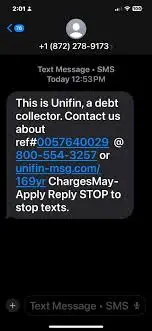
The Unifin text scam is a type of phishing attempt where scammers send messages pretending to be from a debt collection or financial services company like Unifin.
The goal is simple: get you to click a link or respond so they can collect your personal or financial information.
Sometimes, they’re not even connected to the real company at all.
What These Messages Usually Look Like
Most of the messages follow a similar pattern. They try to create urgency so you don’t stop to think.
You might see something like:
- “You have an outstanding balance. Click here to resolve immediately.”
- “Final notice before further action is taken.”
- “Contact Unifin now to avoid escalation.”
There’s almost always a link included and that’s where the risk is.
Why It Feels So Real
This is the tricky part.
Messages like these can feel believable because:
- The name Unifin is a real company
- The tone sounds official
- It plays on fear (debt, legal action, credit issues)
Even if you don’t owe anything, that kind of message can still make you pause.
Red Flags to Watch Out For
After looking into different Unifin scam text reports, a few warning signs keep showing up:
- Unknown or random phone numbers
- Links that don’t lead to an official website
- Vague details about the supposed debt
- Pressure to act immediately
Real companies don’t usually communicate like this, especially not with threats or rushed demands through text messages.il or direct, verifiable channels.
Is Every Unifin Message a Scam?
Not necessarily.
There is a real company called Unifin, and they may contact customers through legitimate channels.
But here’s the difference:
- Real communication is usually clear and verifiable
- You can confirm it through official contact details
- It won’t pressure you into clicking suspicious links
If you’re ever unsure, it’s always safer to go directly to the company’s official website instead of using the link in the message..
What To Do If You Get a Unifin Text
If you receive one of these messages:
- Don’t click the link
- Don’t reply or engage
- Delete the message
If you’re concerned it might be real, contact the company using verified contact information, not what’s in the text.
What If You Already Clicked It?
It happens. If you’ve already interacted with the message:
- Monitor your bank accounts closely
- Change any passwords you may have entered
- Contact your bank if you shared financial details
Acting quickly can help prevent bigger issues.
Conclusion
The rise in searches for “Unifin text scam” shows that more people are starting to question these messages and that’s a good thing.
Scammers rely on urgency and fear, but once you know the signs, it becomes much easier to spot what’s real and what’s not.
If something feels off, it usually is.
Taking a moment to double-check can save you from a lot of stress later on.
Just like the Ncquickpassinvoice.com Scam, the Unifin text scam is a phishing attempt by scammers to get your personal and financial information.