
I came across the VapoBrain promotion while looking into adverts claiming that a simple kitchen recipe could help protect the brain from Alzheimer’s disease and dementia. The story sounds convincing at first because it uses familiar faces, mentions NASA and claims to reveal information that the public has supposedly been kept from knowing. Elon Musk appears in the videos, along with doctors and television personalities, while the sales pitch revolves around a mixture of Vicks VapoRub, honey and cinnamon.
But this is not a genuine medical discovery, and the people featured in the videos have not endorsed VapoBrain. I looked into how the promotion works, and what I found is an outright supplement scam built around fake celebrity endorsements, fabricated news reports and a recipe that is used to draw viewers into a sales presentation. The real aim is to get people to buy a supplement, then expose them to recurring charges and aggressive sales calls.
What Is VapoBrain and What Is It Supposed to Do?
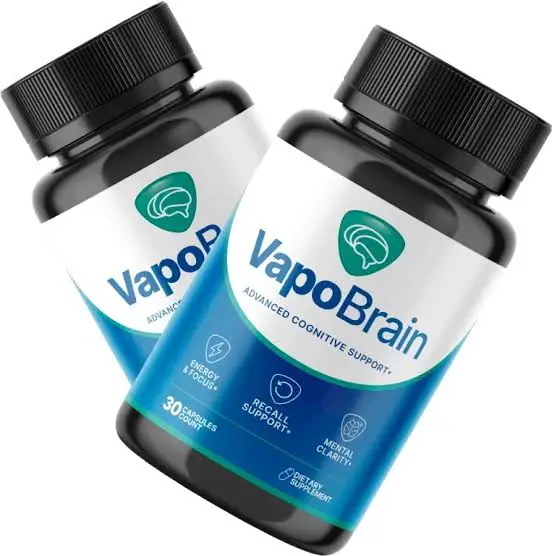
VapoBrain is sold as a supplement for brain health, with the marketing campaign making claims connected to Alzheimer’s disease, dementia and memory problems. Rather than introducing the product through a straightforward explanation of its ingredients, the sellers use a long video about an alleged discovery involving cadmium in the brain.
The story suggests that cadmium is responsible for damaging the brain and that a simple combination of Vicks VapoRub, honey and cinnamon can help neutralise it. Viewers are led to believe that this homemade recipe is the secret to protecting their memory and avoiding serious cognitive problems. The video then keeps building the story until it finally introduces a supplement bottle and encourages people to place an order.
That is the bait-and-switch. People are attracted by the promise of a cheap household recipe, but the recipe is not the real offer. The video is designed to sell VapoBrain, and the supposed breakthrough is used to make the product seem more important and convincing than it really is.
I also found that the supplement bottle shown in the promotion is AI-generated. The video spends so much time building up the story that viewers may not stop to question where the product came from or whether the claims have any proper medical support.
Elon Musk Did Not Endorse VapoBrain
One of the most dishonest parts of this campaign is the use of Elon Musk’s image and voice. The videos make it appear as though he is discussing a major discovery involving brain health, NASA and information supposedly uncovered in government files.
This is not a genuine endorsement from Elon Musk. His appearance has been manipulated using AI to make it look as though he is involved in the promotion. The campaign also uses a fictional NASA discovery and a so-called DOGE files story to give the sales pitch an appearance of importance.
Other familiar faces have also been pulled into the same promotion, including 60 Minutes host Lesley Stahl, Dr. Travis Stork, Clint Eastwood, Dr. Dale Bredesen and Dr. Mehmet Oz. None of these people has genuinely endorsed VapoBrain.
I find this particularly troubling because the people being targeted may be worried about their memory or concerned about a parent, partner or relative who is experiencing cognitive problems. Seeing a recognised doctor or public figure discussing a possible treatment can make someone feel that the product has been properly investigated. But these videos are manipulated, and the people shown have not given their approval.
The fact that a video contains a familiar face does not make the health claims true. In this case, the celebrity footage is being used to sell a supplement through a story those people were never part of.
The Fake CNN Health Articles and the Vicks VapoRub Recipe
The videos are not the only part of the campaign that has been made to look genuine. The scammers also use fake CNN Health articles to make the supposed discovery appear as though it has been covered by a recognised news organisation.
These pages are not genuine CNN Health reporting. They are promotional material designed to look like news articles, with headlines and stories that encourage readers to believe there is a major development in the search for an Alzheimer’s or dementia treatment.
The Vicks VapoRub, honey and cinnamon recipe is another important part of the trick. The video suggests that these ordinary household ingredients can help neutralise cadmium in the brain, making the recipe sound like an inexpensive alternative to more complicated treatments. But the sellers do not provide a credible medical basis for this claim. Instead, the recipe is used to keep people watching until the video eventually introduces VapoBrain.
I would not take a homemade mixture involving Vicks VapoRub, honey and cinnamon as a treatment for Alzheimer’s disease or dementia. The video gives viewers a dramatic story, but it does not establish that the recipe can remove cadmium from the brain or prevent memory loss. It is simply a way to lead people towards the supplement checkout.
Where Are the VapoBrain Adverts Coming From?
This promotion has been pushed through several online advertising channels, including Taboola, TikTok and Meta platforms such as Facebook and Instagram. That matters because people can come across the adverts while browsing completely unrelated content. They may not be actively looking for a brain supplement, but the headline and familiar faces are enough to make them curious.
The fake news pages and celebrity videos then take over. Instead of being presented with a normal product advert, viewers are drawn into a story about a hidden discovery, a simple recipe and a supposed medical breakthrough. By the time the supplement is introduced, the campaign has already done a lot of work to make the viewer believe that something important is being revealed.
This is not an honest way to market a health product. A seller should be able to explain what its supplement contains and what evidence supports its claims without pretending that Elon Musk, NASA, CNN or well-known doctors are involved.
VapoBrain Hidden Subscriptions and Unexpected Charges
The problems do not end when someone decides to order. Another part of the VapoBrain complaints involves recurring monthly charges that buyers say they did not expect.
People can be attracted by the initial offer without fully understanding that further payments may follow. Instead of making the ongoing cost clear, the sales process can leave buyers discovering the subscription arrangement only after additional money has been taken from their accounts.
I am also concerned about reports of aggressive phone upsells. Buyers who place an order may receive calls from sales representatives trying to persuade them to purchase additional products or spend more money. This can turn what someone thought was a simple supplement order into a much more expensive experience.
The money-back guarantee is another problem. Although the promotion uses a refund promise to make the purchase feel safer, buyers have complained about struggling to get their money back in full. Some say they have had difficulty getting the company to honour the guarantee after trying to cancel or request a refund.
A guarantee is not much comfort if customers cannot get a proper refund when they need one. When recurring charges, phone sales pressure and refund complaints are added to the fake endorsements, I see very little reason to trust this offer.
Is VapoBrain Legit or a Scam?
After looking at the way VapoBrain is being promoted, my conclusion is that this is a scam and not a supplement I would recommend buying. The campaign uses AI-manipulated videos of Elon Musk, Lesley Stahl, Dr. Travis Stork, Clint Eastwood, Dr. Dale Bredesen and Dr. Mehmet Oz without their genuine endorsement. It also relies on fake CNN Health articles, a fictional NASA discovery and a made-up DOGE files story to make the product appear credible.
The Vicks VapoRub, honey and cinnamon recipe is simply the hook. Viewers are promised a cheap way to deal with cadmium in the brain, but the video eventually switches to an AI-generated supplement bottle and a sales pitch. There is no credible basis for treating that recipe as an Alzheimer’s or dementia cure.
The hidden recurring charges, aggressive phone upsells and complaints about the money-back guarantee make the offer even worse. This is not how a trustworthy supplement company should treat people, particularly those who may already be worried about their memory or the health of someone close to them.
If you have already ordered VapoBrain and noticed unexpected charges, contact your bank or card provider. Explain that you believe you have been enrolled in recurring payments without properly understanding or agreeing to them, ask about stopping future charges and dispute payments you believe were unauthorised. Keep your order confirmation and any messages or emails from the seller.
My advice is to stay away from VapoBrain. Do not let the Elon Musk videos, fake news articles or Vicks recipe convince you that this is some medical breakthrough being hidden from the public. The people featured in the adverts did not endorse the product, and the entire promotion is built around misleading claims designed to get people to buy a supplement and potentially pay for it month after month.
Check out Necklow Sleep Pillow that I reviewed, earlier.