
There has been so many searches for Lipojaro reviews and complaints, and it’s not hard to see why. A lot of people have been running into ads that promise a strange weight-loss method involving something called a “gelatin trick recipe.”
If you’ve seen one of these videos online, you might have heard claims about a “daily gelatin ritual,” a “delicious gelatin drink,” or a simple home remedy that supposedly melts fat.
But after looking into the marketing around Lipojaro, there are two things people should understand before believing the hype.
This article isn’t calling the Lipojaro supplement itself a scam, but the marketing tactics used to promote it raise serious questions.
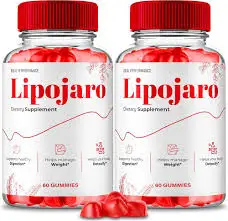
The “Gelatin Trick” That Shows Up in the Ads
Many people discover Lipojaro supplements through videos that appear to be news segments or celebrity interviews. The ads often promise that a simple gelatin-based drink recipe can help with rapid weight loss.
Some even compare the trick to prescription medications like Mounjaro, suggesting the method works in a similar way.
The video typically starts by talking about a “strange gelatin trick” discovered by doctors or celebrities. Viewers are told they’ll learn the exact recipe if they keep watching.
But once the video continues, something interesting happens.
The promised recipe never actually appears.
Instead, viewers are eventually directed to a page where they’re encouraged to buy a bottle of Lipojaro pills.
Deepfake Celebrity Endorsements
One of the biggest reasons people are searching for Lipojaro reviews is the way the product is advertised.
Some of the promotional videos circulating online appear to feature well-known public figures, including:
- Kelly Clarkson
- Dr. Jennifer Ashton from ABC and Good Morning America
- Dr. Oz
- Rebel Wilson
- Meghan Trainor
- Members of the Kardashian family
These clips often make it look like these celebrities or doctors are explaining the gelatin trick or recommending Lipojaro.
However, there’s no evidence that any of these individuals have actually endorsed the supplement.
The videos appear to rely on deepfake technology, AI-generated audio, or edited footage to create the illusion that these people are promoting the product.
This type of advertising has become increasingly common in online supplement marketing.
Fake News Clips Designed to Look Real
Another detail that catches people off guard is how the videos are presented.
Some ads are styled to look like legitimate news segments from well-known outlets, such as:
- “60 Minutes”
- CBS News
- CNN Health
The layout, graphics, and narration are designed to make the content feel like a real investigative report. But when you look closely, these videos usually don’t come from the actual news organizations they appear to represent.
The goal is simply to make the information seem more credible so viewers will trust the claims.
The “Two Things” People Should Know
When it comes to Lipojaro reviews and complaints, two key points stand out.
1. The Gelatin Trick Is Just a Hook
The so-called gelatin recipe is used as a marketing hook to get viewers interested.
People expect to learn a simple home remedy, but instead they’re directed toward a supplement purchase page. The recipe itself never appears in the video.
2. The Celebrity and News Endorsements Are Not Real
Despite what the ads suggest, no verified doctors, hospitals, universities, or celebrities have publicly endorsed Lipojaro.
The videos rely heavily on edited clips, deepfakes, or AI-generated voices to create the impression of credibility.
Concerns About Refunds
Another issue that sometimes appears in discussions about Lipojaro complaints involves the money-back guarantee.
Some promotional pages promise a refund if customers aren’t satisfied. However, with products promoted through unofficial websites or affiliate pages, people occasionally report difficulties when trying to claim those refunds.
That doesn’t necessarily apply to every purchase, but it’s something consumers should keep in mind when ordering supplements online.
Why These Ads Are So Convincing
The reason the Lipojaro gelatin trick video spreads so easily is because it combines several persuasive elements:
- Celebrity appearances
- Medical authority figures
- News-style presentations
- A simple “home remedy” promise
When all those elements appear together, the message feels trustworthy, even if the claims aren’t supported by real evidence.
A Quick Reminder About Weight Loss Supplements
Weight loss is an area where people often search for quick solutions, which makes it a popular target for aggressive marketing.
Supplements can sometimes support wellness goals, but no drink, trick, or capsule can magically replace balanced nutrition, exercise, and professional medical advice.
If you’re considering any supplement for weight management, it’s always a good idea to talk with a qualified healthcare professional first.
Conclusion
The surge in searches for Lipojaro reviews and complaints shows that people are starting to question the ads they’re seeing online.
While the Lipojaro supplement itself may be a real product, the marketing surrounding it, especially the gelatin trick videos and deepfake celebrity endorsements, should be approached with caution.
If you come across a video promising a miracle recipe or featuring celebrities recommending a supplement, it’s worth taking a moment to verify the source before believing the claims.
A little skepticism can go a long way when it comes to online health products.
Check out the Frownies Patch I reviewed earlier.