
If you’ve been poking around the world of single-board computers lately, you’ve probably heard about the Banana Pi BPI-SM10. It’s one of those boards that promises a lot, power, flexibility, and enough performance to handle more than just basic tinkering. But once you get past the specs sheet, the real question is simple: is it actually worth your time (and money), especially if you’re a developer or serious hobbyist?
First Look & Setup Experience
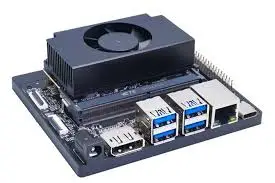
Out of the box, the BPI-SM10 feels like it means business. It’s compact, sure, but it doesn’t give off that “toy board” vibe. Ports are well laid out, and you’re getting enough connectivity options to actually build something useful without immediately needing adapters for everything.
Setup isn’t exactly plug-and-play, though. If you’ve used boards like this before, you’ll be fine. Flash your OS, connect your peripherals, and you’re up. But if you’re coming in fresh, expect a bit of a learning curve. It’s not difficult, just not beginner-friendly in a “turn it on and go” kind of way.
Performance: Where It Actually Stands
This is where the BPI-SM10 starts to justify itself. It’s noticeably more capable than entry-level boards. General tasks feel smooth, running lightweight Linux distros, handling scripts, and even juggling a few processes at once without choking.
For developers, this matters. You can actually test applications, run containers, or experiment with backend setups without feeling like the board is constantly holding you back. It’s not a full desktop replacement, but it doesn’t feel underpowered either.
Media Streaming & Entertainment Use
Surprisingly, the BPI-SM10 holds its own as a media box. Streaming works well, playback is smooth, and it doesn’t struggle with standard video content. If you’re thinking of turning it into a DIY media center, it’s more than capable.
Gaming, though, depends on your expectations. Retro gaming? Absolutely doable and actually enjoyable. Anything modern or demanding? Not really its lane. This isn’t built for that, and it doesn’t pretend to be.
Using It as a Server
This is where things get interesting. The BPI-SM10 shines as a small server. Whether you’re running a home server, a lightweight web app, or even experimenting with cloud setups, it handles it without complaints.
It’s stable, reliable, and efficient enough to run for long periods without becoming a headache. For developers who like to self-host or test deployments locally, this is a big win.
Versatility & Real-World Use
What makes this board stand out is how flexible it is. You can use it for development, media, automation, or even as part of a larger DIY project. It’s not locked into one purpose, which makes it more appealing than some niche boards.
That said, it’s clearly aimed at people who like to build and experiment. If you just want something that works out of the box with zero effort, this probably isn’t for you.
The Downsides
Documentation could be better, especially for beginners. Some setup steps might require digging through forums or trial and error. And while performance is solid, it’s not groundbreaking, you’re still working within the limits of a single-board computer.
Is the Banana Pi BPI-SM10 Worth It?
If you’re a developer, hobbyist, or someone who enjoys building and experimenting, the Banana Pi BPI-SM10 is absolutely worth considering. It hits a nice balance between performance and flexibility, and it’s powerful enough to handle real projects, not just small demos.
But if you’re looking for something super beginner-friendly or expecting desktop-level performance, this might not be the right fit.
Conclusion
The BPI-SM10 isn’t trying to be everything for everyone and that’s actually why it works. It knows its audience, and if you’re in that group, you’ll probably get a lot out of it.
Check out the Frownies Patch I reviewed earlier.