
The internet is flooded right now with ads for the Pryxo Optic Glucose Monitor, a small finger-clip device claiming to measure blood sugar levels without needles, test strips, or painful finger pricks. The marketing makes it look like a medical breakthrough straight out of the future. Just clip the device onto your finger, wait a few seconds, and supposedly get instant glucose readings using “advanced light spectroscopy technology.”
Sounds incredible, especially for people living with diabetes or anyone tired of traditional glucose testing.
But once you start digging into the science behind the claims, the situation becomes a lot murkier than the advertisements suggest.
What Is the Pryxo Optic Glucose Monitor?
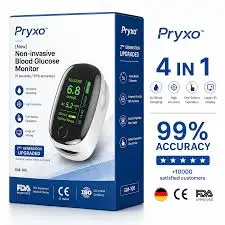
According to the company, the Pryxo Optic Glucose Monitor uses optical spectroscopy technology to estimate blood sugar levels through the skin without drawing blood. The device also claims to monitor multiple additional health metrics from the same small finger clip.
The marketing pushes big promises:
- Non-invasive glucose tracking
- 99.9% accuracy
- No finger pricks
- Instant readings
- Multiple health measurements in one device
- Easy home monitoring
On paper, it sounds revolutionary.
The problem is that truly accurate non-invasive glucose monitoring has been one of the hardest challenges in medical technology for decades.
The “99.9% Accuracy” Claim Raises Serious Questions
This is probably the biggest red flag immediately.
When medical companies advertise near-perfect accuracy numbers like “99.9%,” there should normally be published clinical evidence backing those claims. That usually means:
- Peer-reviewed studies
- Transparent testing data
- Regulatory documentation
- Large-scale patient trials
But with the Pryxo Optic Glucose Monitor, clear publicly available evidence supporting that accuracy claim appears difficult to verify. And that matters because glucose monitoring is not some casual wellness category. Inaccurate blood sugar readings can directly affect medication decisions, insulin dosing, diet choices, and overall health management.
This is medical territory, not fitness gadget territory.
Non-Invasive Glucose Monitoring Is Extremely Difficult
The ads make the technology sound simple:
shine light through the finger, analyze the blood, get glucose numbers instantly.
But real-world medical science has struggled with this exact challenge for years.
Even massive tech companies with enormous research budgets have reportedly spent years trying to develop reliable non-invasive glucose tracking systems without fully solving the consistency problem. Skin thickness, hydration, temperature, circulation, movement, and individual biology can all interfere with optical readings. That doesn’t automatically mean the Pryxo Optic Glucose Monitor is fake. But it does mean consumers should approach miracle-level accuracy claims very carefully unless supported by strong independent evidence.
Where Is the FDA Approval Information?
Another thing buyers keep questioning is regulatory transparency.
The marketing heavily implies medical-grade reliability, yet many consumers struggle to locate clear proof of:
- FDA approval
- Certified medical clearance
- Transparent regulatory filings
- Published validation studies
That’s important because legitimate medical monitoring devices usually make this information easy to verify.
When companies rely heavily on buzzwords while providing limited scientific transparency, skepticism becomes completely reasonable.
The “One Device Does Everything” Problem
A recurring pattern in online health gadget marketing involves tiny devices claiming to monitor:
- Blood glucose
- Heart rate
- Oxygen levels
- Blood pressure
- Sleep
- Stress
- Temperature
…all at once.
The Pryxo Optic Glucose Monitor appears to lean into that same style of marketing. The issue is that every additional measurement introduces more complexity. Consumers naturally start wondering whether the device truly specializes in accurate glucose monitoring or whether it’s mainly functioning as a general wellness gadget packaged with ambitious medical-style claims.
There’s a big difference between “wellness estimates” and clinically reliable diabetic monitoring.
The Marketing Feels Much Stronger Than the Science
One thing that stands out quickly is how polished and aggressive the advertising is.
The campaigns focus heavily on:
- Emotional relief from finger pricks
- Fear around diabetes complications
- “Revolutionary breakthrough” language
- Urgency discounts
- Dramatic before-and-after stories
- High-tech visuals
But the scientific backing visible to average consumers appears much thinner than the marketing itself. That imbalance always deserves attention, especially in health-related products.
Could It Still Be Useful?
Possibly, depending on expectations.
If someone views the Pryxo Optic Glucose Monitor as a casual wellness-tracking gadget offering rough estimates and convenience, they may find it interesting.
But if a person expects hospital-grade glucose accuracy capable of replacing clinically approved diabetic monitoring systems entirely, that’s where concerns become more serious.
Health devices involving glucose readings should never be treated casually without reliable validation.
Is Pryxo Optic Legit?
The Pryxo Optic Glucose Monitor sits in a difficult category because non-invasive glucose monitoring is a real scientific goal, but also one heavily targeted by exaggerated marketing campaigns.
Right now, the biggest concerns involve:
- Unverified 99.9% accuracy claims
- Limited transparent clinical evidence
- Unclear FDA approval visibility
- Extremely ambitious multi-health tracking promises
- Marketing language that feels stronger than the publicly visible science
That doesn’t automatically prove the device is fraudulent. But consumers should absolutely be cautious about treating it as a medically proven replacement for established glucose monitoring systems unless stronger independent validation becomes available.
Conclusion
When it comes to blood sugar monitoring, accuracy matters far more than flashy advertising.