
A supplement can have a very impressive ingredient list and still leave you wondering whether it actually does what the advertising promises. That is the first thing that came to mind when I started looking into SodaTide.
SodaTide is marketed as a digestive and metabolic wellness supplement that supports the gut, metabolism, and overall health. The formula includes ingredients such as inulin, resistant starch, probiotics, and Akkermansia muciniphila, which certainly sounds interesting if you’re interested in gut health.
But there is a big difference between an ingredient being studied in research and a finished supplement being proven to deliver the same results.
So, is SodaTide legit? Does SodaTide really work, or is this another supplement making bigger promises than the evidence can support? I took a closer look at the product claims, ingredients, and some of the red flags buyers should know before placing an order.
What Is SodaTide?
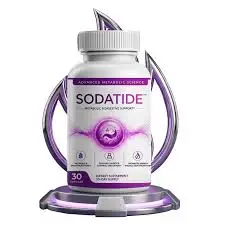
SodaTide is sold as a dietary supplement aimed at digestive and metabolic wellness.
The marketing focuses heavily on the gut and the connection between gut health and other parts of the body. That is not a completely unreasonable area to study. Researchers have spent years looking at the gut microbiome and how different bacteria and dietary compounds may affect digestion and metabolism.
The problem comes when that research is used to make a particular supplement sound more effective than it has actually been shown to be.
SodaTide contains a combination of prebiotic and probiotic ingredients, including inulin, resistant starch, probiotics, and Akkermansia muciniphila.
At first glance, that may make the product sound like a serious scientific formula. But I would not make a buying decision based on the ingredient names alone.
SodaTide Ingredients
The ingredients are probably the most interesting part of SodaTide.
The formula includes inulin, resistant starch, probiotics, and Akkermansia muciniphila. These ingredients are connected in different ways to gut health, digestion, or the microbiome, but they should not all be treated as if they have the same level of evidence.
Inulin
Inulin is a type of dietary fiber that acts as a prebiotic. In simple terms, it can provide food for certain bacteria in the gut.
Prebiotic fibers can be useful as part of a balanced diet, but that doesn’t automatically mean taking them in a supplement will produce dramatic metabolic or weight-related results.
Some people can also experience gas, bloating, or other digestive discomfort when increasing their intake of certain fibers.
Resistant Starch
Resistant starch is another type of carbohydrate that behaves differently from ordinary starch during digestion.
It can reach the large intestine and interact with gut bacteria, which is one reason it gets so much attention in gut-health research.
Again, though, research on resistant starch does not prove that every supplement containing it will produce major health improvements.
The amount used, the rest of the formula, a person’s diet, and individual differences can all matter.
Probiotics
Probiotics are live microorganisms that are intended to provide a health benefit when consumed in adequate amounts.
The important thing to remember is that “probiotics” is a very broad term.
Different strains can behave differently, and a product containing probiotics is not automatically going to improve everyone’s digestion or metabolism.
This is why I would want to know exactly which strains SodaTide contains, the amount provided per serving, and whether there is independent evidence supporting the particular combination.
Akkermansia muciniphila
This is probably the ingredient that makes SodaTide sound especially high-tech.
Akkermansia muciniphila is a bacterium that naturally occurs in the human gut and has been the subject of scientific research, particularly around metabolism and gut health.
That research is interesting, but consumers need to be careful about the leap from “this microorganism has been studied” to “this supplement will produce a specific health result.”
Those are two very different claims.
Research involving Akkermansia muciniphila does not automatically prove that SodaTide itself will deliver the same results.
Does SodaTide Really Work?
This is the question I think matters most.
The answer isn’t as simple as looking at the ingredient list and saying yes.
There may be legitimate research behind individual ingredients in SodaTide, but that does not establish that the complete SodaTide formula has been proven to work for every claim made in its advertising.
This is a common problem with supplements.
A company can point to research about fiber, probiotics, or a particular gut bacterium and make the product sound highly researched. But the actual product is what you are buying. If the finished formula hasn’t been independently studied in well-designed human trials, I would be cautious about assuming that the advertised benefits have been proven.
SodaTide and Gut Health Claims
The gut microbiome is a fascinating area of research, and there is plenty we still don’t know about it.
That makes it very easy for supplement marketing to get ahead of the science. Improving gut health isn’t as simple as taking one capsule or powder every day and expecting your microbiome to suddenly become “healthy.” Your diet, lifestyle, medications, activity level, sleep, and many other factors can affect your digestive health.
So while SodaTide’s ingredients may have some interesting properties, I would not expect the supplement to completely transform your gut based on the marketing alone.
SodaTide and Metabolic Health
SodaTide also positions itself around metabolic wellness.
That is another area where I would be careful.
There is research into the relationship between the gut microbiome, digestion, glucose metabolism, body weight, and other metabolic factors. But that does not mean a supplement can automatically deliver major changes in those areas.
A product’s marketing may connect several pieces of scientific research and make them sound like one proven chain of events.
In reality, the evidence may be much more limited.
This is why I would separate the question “Have these ingredients been studied?” from “Has SodaTide been proven to produce the results being advertised?”
Those are not the same question.
What Does “FDA-Registered Facility” Mean?
One phrase I would not put too much weight on is “FDA-registered facility.” This sounds reassuring, but it can easily be misunderstood. A facility being registered with the FDA does not mean that the FDA has approved a particular dietary supplement for effectiveness. Dietary supplements are not approved by the FDA in the same way prescription drugs are.
So if a website uses “FDA-registered facility” as though it proves SodaTide has been tested and approved by the FDA, don’t make that assumption. It doesn’t establish that the product works.
SodaTide Customer Reviews
Customer testimonials can also be useful, but I would treat them carefully.
Someone may genuinely love SodaTide and believe that it helped them. Another person may take the exact same product and notice nothing. Neither experience proves what the product will do for everyone.
Testimonials also don’t tell you whether a person’s results came from the supplement itself, changes in their diet, exercise, or other lifestyle changes.
When researching SodaTide reviews, I would look beyond the testimonials displayed on the product’s own website and ask whether there is independent evidence supporting the actual formula.
Is SodaTide a Scam?
I would be careful about calling SodaTide an outright scam based solely on the information available.
The product is presented as a dietary supplement, and several of its ingredients have been studied for various aspects of gut health. The bigger issue is whether the marketing gives consumers a stronger impression of scientific proof than the evidence actually supports. That is where I think buyers need to be cautious. A supplement does not have to be completely fake for its advertising to be exaggerated. If you’re expecting SodaTide to dramatically improve your metabolism or completely change your digestive health, I would not make that assumption.
SodaTide Red Flags to Consider
Before buying SodaTide, I would pay attention to a few things.
First, look at the complete ingredient list and serving sizes, not just the highlighted ingredients in the advertisement. Next, check whether there is independent human research on the finished formula rather than research on individual ingredients.
Also be skeptical of broad claims that connect gut health with dramatic changes in metabolism, weight, or other areas without showing strong evidence.
And finally, don’t let phrases such as “FDA-registered facility” or a page full of glowing testimonials convince you that the supplement has been medically approved or proven effective.
What I Would Check Before Buying SodaTide
If I were deciding whether to spend my money on SodaTide, these are the questions I would ask:
- What exactly is in one serving?
- How much of each ingredient is included?
- Which probiotic strains are used?
- Is the Akkermansia ingredient clearly identified?
- Has the finished SodaTide formula been tested in humans?
- Are the claims based on the actual product or individual ingredients?
- Is there independent testing for quality and purity?
- What is the company’s refund policy?
- Are there recurring charges or subscriptions at checkout?
Those questions are much more useful than simply asking whether the website looks professional.
Is SodaTide Legit?
So, is SodaTide legit or a scam?
My take is that I would not call it an obvious fake product, but I would approach the health claims with caution.
The ingredients are interesting, especially inulin, resistant starch, probiotics, and Akkermansia muciniphila. There is legitimate research surrounding some of these ingredients and the gut microbiome.
But ingredient research is not the same thing as proof that SodaTide itself can deliver all of the benefits suggested by its marketing.
The “FDA-registered facility” language also shouldn’t be mistaken for FDA approval, and customer testimonials cannot replace independent evidence.
Conclusion
If you’re searching for SodaTide reviews, my advice is to look past the impressive ingredient names and marketing claims.Check t he actual formula, serving sizes, evidence on the finished product, and the company’s policies before spending your money. SodaTide may have an interesting formula, but interesting ingredients don’t automatically equal proven results. When it comes to a supplement you’re taking for your health, that’s a distinction worth remembering.
Check out the Frownies Patch I reviewed earlier.