
I started looking into EvoSlim after seeing the same kind of weight-loss advertisement that has been circulating under several different supplement names. The pitch is designed to make you curious before it ever tells you what you’re actually buying: Oprah Winfrey supposedly discovered a simple baking soda weight-loss trick, Dr. Ania Jastreboff supposedly explains why it works, and viewers are promised a cheap “baking soda water shot” that can help them lose weight without injections or complicated diets.
Then the video eventually leads to a bottle of capsules.
That change is important because the advertisement isn’t really giving you a homemade recipe at all. It is using the promise of a secret recipe, familiar celebrity faces and medical-sounding explanations to move people toward a supplement purchase. Recent investigations into this broader baking soda advertising campaign have found manipulated or AI-generated depictions of Oprah Winfrey and Dr. Ania Jastreboff being used to create the appearance of endorsements that never happened.
After looking into the EvoSlim promotion and comparing it with the wider baking soda weight-loss scam pattern, I would not buy EvoSlim. The problem isn’t simply that I don’t like the supplement. The bigger issue is that the marketing surrounding it is built on claims and endorsements that aren’t genuine.
What Is EvoSlim?
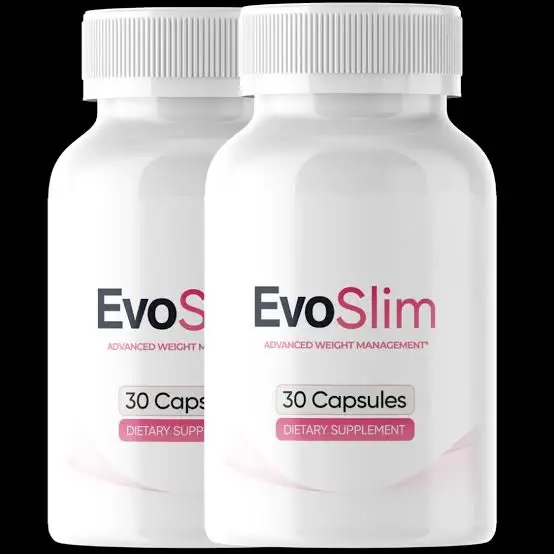
EvoSlim is presented online as a weight-loss supplement, with advertisements describing it as a capsule or pill that can supposedly help with weight management. The product is tied to the viral “baking soda water shot” story, which makes it sound as though there is a simple kitchen recipe that can produce surprisingly fast weight-loss results.
That is what initially makes the advertisement so convincing.
Someone watching the video isn’t necessarily thinking about buying another random diet supplement. They’re waiting for Oprah’s supposed secret, listening to a doctor explain the science and expecting to discover a cheap recipe that they can make at home.
The supplement appears later in the sales process, turning the curiosity created by the baking soda story into a product sale.
That same basic funnel has been documented with other names, including Lean Peak, SodaSlim and AlkaSlim, where the product at the end of the video changes even though the story remains remarkably similar.
Did Oprah Winfrey Endorse EvoSlim?
No. I found no credible evidence that Oprah Winfrey endorsed EvoSlim or created a baking soda recipe for weight loss.
This isn’t the first time Oprah’s name and image have been dragged into online weight-loss advertising without her permission. The current baking soda campaign appears to be another version of the same tactic, with manipulated footage making it appear as though she is talking about a particular weight-loss method or supplement.
The problem is that AI-generated video has become convincing enough that a person scrolling through Facebook, YouTube or another social platform may not immediately realize they’re watching something fabricated.
Several recent investigations into the baking soda campaign found AI-generated or manipulated depictions of Oprah and Dr. Jastreboff being used in these advertisements.
So if an EvoSlim advertisement shows Oprah supposedly explaining how she lost weight with a baking soda drink, don’t take the video as proof that she actually said those things.
She didn’t endorse EvoSlim simply because someone created a video that makes it appear that she did.
Dr. Ania Jastreboff Never Endorsed the Baking Soda Shot
The same problem applies to Dr. Ania Jastreboff.
Dr. Jastreboff is a real physician and obesity-medicine specialist, which makes her particularly useful to scammers who want their weight-loss advertisement to look medically credible. The videos circulating online use an AI or manipulated version of her appearance and voice to make it seem as though she is explaining a special baking soda method.
There is no legitimate endorsement from Dr. Jastreboff for EvoSlim or the supposed baking soda water shot.
Recent reporting on this campaign describes manipulated lip movements, AI-generated audio and fabricated scenes designed to make it look as though Dr. Jastreboff and Oprah are discussing the same weight-loss method.
That is a completely different situation from a real doctor appearing in an advertisement for a product.
The “Baking Soda Water Shot” Is the Hook
This is probably the cleverest part of the entire promotion.
The advertisement doesn’t start by saying, “Here is another supplement you should buy.” Instead, it gives viewers something they think they can get for almost nothing.
A baking soda drink sounds cheap and simple. You probably already have baking soda in your kitchen, so the idea that someone has discovered a secret combination that supposedly helps burn fat is naturally going to make people curious.
The video then keeps promising that the recipe will be revealed.
But in versions of this campaign investigated recently, the promised recipe never really arrives. Instead, the presentation eventually switches into a sales pitch for capsules or another commercial weight-loss product.
That is why I wouldn’t describe this as a genuine baking soda recipe that happens to have a supplement attached to it. The recipe is the bait that gets you to watch the sales presentation.
Does Baking Soda Actually Burn Fat?
This is another part of the story that deserves a closer look.
Baking soda has legitimate household and medical uses, but there isn’t good evidence that drinking a particular baking soda mixture produces the kind of dramatic fat loss promised by these advertisements. Recent medical and consumer investigations into the viral baking soda trend have specifically found no legitimate “secret” baking soda recipe backed by Oprah or Dr. Jastreboff.
I wouldn’t experiment with large amounts of baking soda because an ingredient being common in your kitchen doesn’t automatically make it appropriate to consume in whatever quantity an internet video recommends.
More importantly, there is no reason to believe that adding baking soda to water creates some hidden metabolic switch that suddenly causes significant weight loss.
Why the Fake Doctor Makes the Advertisement So Convincing
This is the part I think people should understand because the scam isn’t relying on one false claim.
It combines several things that normally make a health product look trustworthy. There is a doctor, a famous celebrity, references to medical research, a supposedly simple recipe and a long explanation about metabolism and hormones.
When all of those pieces appear together, it can feel like you’re watching a genuine health presentation.
But if the doctor and celebrity never actually made those statements, the entire foundation of the presentation falls apart.
Recent investigations found that the same campaign has used fabricated or manipulated versions of well-known people and has sometimes placed those videos on pages designed to resemble legitimate news or health websites.
That is why I would never judge EvoSlim based on the video alone.
EvoSlim Reviews and the Fake Review Problem
Another thing that makes these advertisements difficult to trust is the way positive reviews can be presented alongside the fake celebrity story.
When someone has just watched a video supposedly featuring Oprah and a respected obesity specialist, then sees a page filled with glowing EvoSlim reviews, the two things reinforce each other. It starts to feel as though thousands of people have already tried the product and gotten fantastic results.
But a testimonial isn’t a clinical study, and a review displayed on a sales page isn’t independent verification.
I’ve seen this pattern repeatedly with weight-loss supplement scams. The product page may have dramatic before-and-after stories, five-star ratings and people claiming they’ve lost huge amounts of weight, yet none of that establishes that the product caused those results.
In the broader baking soda campaigns, investigators have also reported fabricated positive reviews and misleading presentation designed to make the products appear more established than they really are.
The Monthly Subscription Problem
Another reason I would stay away from this type of offer is the possibility of recurring billing.
These sales funnels can make the initial purchase look like a one-time opportunity, while the actual checkout terms can involve additional bottles or recurring charges. This is particularly frustrating because someone may think they’re simply trying one bottle and only discover later that another charge has appeared.
The broader weight-loss supplement campaigns connected with the baking soda advertisements have been associated with complaints about unexpected recurring charges and difficulty obtaining the refunds customers thought they were entitled to.
I wouldn’t assume that every EvoSlim order necessarily works exactly the same way, but I would read the checkout page very carefully before entering a card number.
If the price changes when you reach checkout, the wording mentions recurring shipments or the offer suddenly adds another product, I would stop before completing the order.
What About the 100% Money-Back Guarantee?
A money-back guarantee can sound reassuring, but it shouldn’t be the reason you decide that a product is safe to buy.
If an advertisement tells you that there is no risk because you can simply request your money back, remember that getting a refund can be much more complicated than the sales page makes it sound.
If you’re dealing with a company that doesn’t clearly identify itself, has difficult-to-find contact information or uses aggressive sales tactics, a refund promise isn’t much comfort.
I’d rather see a transparent company with clear billing terms and straightforward customer service than rely on a large “100% guarantee” badge on a sales page.
Beware of the Follow-Up Phone Call
This is another part of these supplement sales funnels that people sometimes don’t expect.
After placing an order, customers may receive a phone call from someone trying to sell additional supplements. The caller can sound knowledgeable and may use medical terminology to make the conversation feel like a consultation.
That doesn’t make the person a doctor.
If someone calls after you order EvoSlim and starts recommending several additional bottles, asking you to spend more money or suggesting that the first product won’t work unless you add another supplement, I would end the call rather than getting pulled into another purchase. A legitimate medical professional would not need to disguise a sales pitch as medical advice.
Is EvoSlim Legit?
I don’t consider EvoSlim a legitimate weight-loss solution.
The product is being promoted through a deceptive marketing campaign involving a supposed baking soda recipe, unauthorized AI or manipulated depictions of Oprah Winfrey and Dr. Ania Jastreboff, and claims that make the product appear medically endorsed when it isn’t.
I also wouldn’t trust the positive reviews appearing within the sales funnel as proof that EvoSlim works.
The larger pattern is especially concerning because the exact same story has appeared with different supplement names. Investigations have documented campaigns where the fake baking soda recipe and celebrity/doctor story lead to different products, suggesting that the product label can change while the underlying sales script stays essentially the same.
That is not how I would expect a genuine, established weight-loss treatment to be marketed.
Does EvoSlim Really Work for Weight Loss?
I wouldn’t buy it expecting weight loss.
There is no credible evidence I’ve found showing that EvoSlim produces the dramatic results promised in these advertisements, and the supposed Oprah and Dr. Jastreboff endorsements are fabricated or manipulated rather than genuine recommendations.
The “baking soda water shot” is also not some medically established weight-loss breakthrough. The recent investigations into this trend found that the promised recipe is essentially a hook used to transition viewers into supplement sales.
If the strongest part of the advertisement disappears once you remove the fake celebrity footage and the fake doctor endorsement, there isn’t much left to justify the purchase.
What Should You Do If You Already Bought EvoSlim?
If you already ordered EvoSlim and now realize that something isn’t right, don’t panic, but don’t ignore the charges either.
Start by checking your bank or credit-card statement for the exact amount that was charged and look for any recurring transactions. If you see charges you didn’t authorize, contact your bank or card issuer promptly and explain that you believe the transaction is fraudulent.
If you paid with a credit card, ask about the process for disputing the charge. Keep your order confirmation, emails, screenshots of the advertisement and any messages from the seller because those records can be useful when explaining what happened.
You can also report internet fraud through the FBI’s Internet Crime Complaint Center (IC3) at IC3.gov.
If you gave the seller more personal information than necessary, keep an eye on your accounts and be suspicious of follow-up calls or emails offering refunds, additional products or “account verification.”
What I Think About EvoSlim
After looking into EvoSlim reviews, the baking soda weight-loss claims and the videos supposedly featuring Oprah Winfrey and Dr. Ania Jastreboff, I would stay away from this offer.
The biggest issue isn’t whether maca, green tea, caffeine or another familiar supplement ingredient can have some effect on weight management. The bigger problem is the dishonest way this product is being presented to consumers.
The advertisement makes you think you’re about to discover a secret baking soda recipe from Oprah and a respected obesity doctor. The video then uses AI-generated or manipulated versions of those people to make the story appear authentic before directing viewers toward a paid supplement. That same pattern has already been documented across several other products in this campaign.
Conclusion
So if you’re searching for “EvoSlim reviews,” my opinion is avoid it.
Oprah did not endorse EvoSlim. Dr. Ania Jastreboff did not endorse EvoSlim or invent a secret baking soda weight-loss shot. The videos making those claims are part of a deceptive advertising pattern that uses AI and manipulated footage to make a supplement look medically and celebrity approved when it isn’t.
And that is the part I would remember before entering your card information. A professional-looking video can be manufactured. A famous face can be recreated with AI. A five-star review can be placed on a sales page. None of those things turns an unproven weight-loss supplement into a legitimate treatment.
Check out the Beplain Cleansing Oil that I reviewed earlier.