
Golden Brain is being promoted online as a supplement that can supposedly reverse Alzheimer’s disease, dementia, and other memory problems, but the story behind the product is not what the advertisements make it seem. The sales campaign uses a supposed Bill Gates endorsement, a honey-based memory trick, fake news coverage, and AI-generated videos to make Golden Brain look like a breakthrough that has somehow been kept away from the public. After looking into the claims and the way the product is being marketed, I would not consider Golden Brain a legitimate Bill Gates-backed Alzheimer’s treatment. The celebrity endorsements and news reports being used to sell it are fabricated.
The campaign appears to start with an advertisement promising viewers a simple honey recipe or natural trick that can supposedly improve memory and even reverse serious cognitive decline. Clicking the advertisement takes people into a long sales presentation designed to look like a news report. This is where the Bill Gates story comes in. Gates is presented as though he has discovered, supported, or publicly discussed the supposed treatment, while other familiar names and news organizations are brought into the presentation to make the whole thing appear credible.
That is where things fall apart. There is no genuine Bill Gates endorsement of Golden Brain supplements, and the appearance of Anderson Cooper and supposed CBS or 60 Minutes coverage is part of the same deceptive marketing campaign. The videos and images have been manipulated or generated with artificial intelligence to make real people appear to say things they never said. A fake website may look surprisingly close to CNN or another major news outlet, but looking like a familiar publication does not make it the real website. These pages are created to give a supplement sales pitch the appearance of legitimate journalism.
This is particularly troubling because the product is being sold to people who may already be worried about memory loss in themselves or someone they love. Alzheimer’s and dementia are serious medical conditions, so a claim that a bottle of pills or a simple honey recipe can reverse them can sound incredibly appealing. The Golden Brain advertising takes advantage of that hope by wrapping a supplement offer inside what looks like an important medical discovery. Instead of simply selling a dietary supplement and explaining what it contains, the campaign appears to build an entire fake story around famous people, television news, doctors, and supposed scientific breakthroughs.
What Is Golden Brain Supposed to Do?
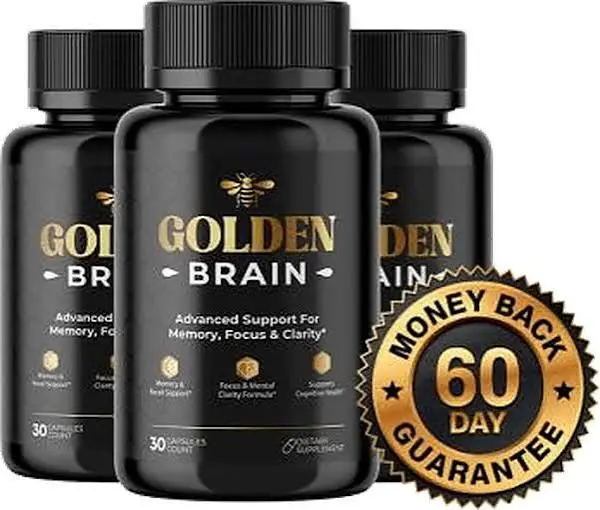
Golden Brain supplements are marketed as a natural way to improve memory and cognitive function, with some versions of the sales pitch going much further by suggesting that the product can reverse Alzheimer’s and dementia. The promotion often revolves around a supposedly secret honey trick or recipe that is presented as the missing piece behind better brain health.
Those claims should not be confused with evidence that the supplement can treat Alzheimer’s disease. A supplement can be marketed for general health while making much more aggressive promises through advertisements, testimonials, videos, and sales pages. In the case of Golden Brain, the most extraordinary claims are closely tied to the fake news presentation and celebrity endorsements rather than credible clinical evidence.
There is also a familiar pattern here. The product name may change, the bottle may look different, and the celebrity in the advertisement may change, but the underlying sales strategy remains remarkably similar. A supposed breakthrough for dementia is announced, a famous person is made to appear involved, a simple ingredient such as honey is presented as the secret, and viewers are directed toward a supplement checkout page. Golden Brain appears to be another name being used within that broader supplement scam operation.
The Bill Gates Endorsement Is Fake
One of the biggest reasons people may believe Golden Brain is legitimate is the supposed involvement of Bill Gates. His name carries enormous recognition, particularly when a product is being presented as a scientific or medical breakthrough. Someone seeing a video in which Gates appears to discuss a dementia treatment could reasonably assume that the product has been investigated or supported by someone with extensive knowledge of technology and science.
But that is precisely what makes the use of AI-generated material so effective. Modern deepfake technology can make a public figure appear to speak naturally, while an edited voiceover can make it seem as though the person is personally recommending a product. Unless you check where the video came from and whether the person has actually made the statement through an authentic channel, it can be surprisingly difficult to tell what is real.
There is no legitimate Bill Gates endorsement of Golden Brain that would justify the claims made in these advertisements. The same applies to the supposed involvement of other famous people shown or mentioned in the sales presentation. Their names and likenesses are being used to create credibility that the product itself has not earned.
Fake CNN and 60 Minutes Stories
Another part of the Golden Brain promotion that deserves attention is the fake news presentation. Instead of sending potential customers directly to a normal supplement product page, the campaign reportedly funnels them through a website designed to resemble a major news outlet. The page may use CNN-style branding, headlines, layouts, photographs, and other elements intended to make visitors think they are reading a genuine news story.
The supposed Anderson Cooper and 60 Minutes material works in much the same way. The idea is to make the viewer believe that a respected journalist or television program has investigated the product and discovered something the pharmaceutical industry does not want people to know. It is a powerful sales tactic because people are more likely to trust a product when they believe an independent news organization has already done the research for them.
But there was no legitimate CNN investigation proving that Golden Brain reverses dementia, and Golden Brain was not endorsed by 60 Minutes or Anderson Cooper. The appearance of these names in a sales video should therefore not be treated as independent evidence.
Golden Brain Is Part of a Larger Scam Pattern
What makes the Golden Brain promotion even more suspicious is that it does not appear to be an isolated product. The internet has seen numerous supplement campaigns built around almost exactly the same promise: a natural ingredient supposedly discovered by doctors or researchers can restore memory, reverse dementia, or prevent Alzheimer’s, and the public supposedly has not been told about it.
The names change because the sales funnel can be reused. Once one product receives enough attention or becomes associated with scam reports, another name can be placed on a similar bottle and marketed through a new collection of websites and advertisements. That makes searching for genuine Golden Brain reviews especially difficult because a large number of pages may be created specifically to promote the product rather than independently review it.
There are also reasons to be cautious about the customer-review numbers displayed on sales pages. A supplement website can show hundreds or thousands of supposedly positive reviews, but those ratings are not automatically evidence that the customers or reviews are genuine. A five-star score displayed directly on a product’s own sales page tells you very little unless the underlying reviews can be independently verified.
The same caution applies to Trustpilot. Trustpilot itself is a legitimate review platform, but that does not mean every review surrounding a company, seller, or product should automatically be accepted as proof that the product works. Reviews can be manipulated, companies can have multiple identities, and customer-service experiences can dominate a profile without telling you whether the actual health claims are true. A high rating is not clinical evidence that a supplement can reverse Alzheimer’s.
Be Careful With the Checkout Process
The concerns do not necessarily end after someone decides to buy Golden Brain. Supplement sales funnels like this can use aggressive checkout tactics, including discounted introductory offers, bundles, additional products, and telephone sales pitches after the initial purchase.
There have also been complaints associated with this type of operation involving recurring charges and expensive monthly subscriptions. Someone may think they are making a one-time purchase, only to discover later that the payment arrangement involves additional shipments or recurring billing. For a product being sold with claims as serious as reversing dementia, customers should be able to understand exactly what they are paying before entering their card information.
The advertised money-back guarantee also deserves a careful look. A guarantee can sound reassuring, but what matters is how the company handles an actual refund request. If a sales operation advertises a 100% guarantee while customers encounter resistance when they try to cancel or obtain their money back, the guarantee becomes much less meaningful. This is one reason I would not rely on the headline offer alone when considering Golden Brain.
Could Golden Brain Cause Side Effects?
Another issue is that the exact contents of a supplement matter. Calling something natural does not automatically make it harmless, and a product’s marketing claims should not be confused with proof of safety or effectiveness. People can react differently to supplements, and some ingredients can interact with medications or cause problems for people with existing conditions.
Reports associated with these types of products can include digestive complaints such as an upset stomach, but the bigger problem is that people may spend significant amounts of money on an unproven supplement while delaying proper medical advice. Anyone experiencing new or worsening memory problems should speak with a qualified healthcare professional rather than relying on an internet advertisement promising a secret cure.
Conclusion
After looking at the marketing surrounding Golden Brain, I would stay away from it. The product is being sold through a story that relies heavily on fake celebrity endorsements, AI-generated videos, fabricated news coverage, and dramatic claims about reversing Alzheimer’s and dementia. There is no legitimate Bill Gates endorsement that supports the product, and the supposed CNN and 60 Minutes coverage should not be mistaken for genuine reporting.
The honey trick is another part of the sales pitch rather than proof that Golden Brain can reverse a neurological disease. I also would not put much weight on the glowing reviews and ratings displayed by the sellers when the wider marketing campaign itself is built around manufactured credibility.
For me, the biggest problem is not simply whether Golden Brain supplements might or might not contain useful ingredients. It is the way the product is being sold. When a company needs fake news reports, artificial intelligence, celebrity impersonations, and an extraordinary Alzheimer’s cure story to convince people to buy a bottle of supplements, that is enough reason to walk away.
So, if you searched for Golden Brain reviews, my answer is straightforward: I would not trust Golden Brain, and I would not buy it based on the claims being made in these advertisements. The Bill Gates endorsement is fake, the supposed news coverage is fake, and there is no credible evidence presented by this marketing campaign that Golden Brain can reverse Alzheimer’s or dementia.
Check out Mansculpt wave therapy plus that I talked about earlier.