
I first started looking into Jelly Boost Gummies because the product was being pushed with the kind of promises that immediately get people’s attention: weight loss, better male performance, increased energy, improved circulation and supposedly impressive results without the effort normally associated with achieving them. What made me dig deeper, however, wasn’t simply the health claims. It was the way the product was being promoted through videos that appeared to show celebrities and well-known doctors discussing or recommending Jelly Boost, when those endorsements were not genuine. The more I looked at the campaign, the more it became clear that consumers are being presented with a carefully constructed story designed to make an unfamiliar supplement look trustworthy.
That is why I’m writing this Jelly Boost Gummies review. If you have seen one of these videos and searched for Jelly Boost reviews, I don’t think the right response is simply to tell you that it’s a scam and leave it there. You deserve to understand what Jelly Boost is supposed to be, what the advertisements are claiming, why the celebrity videos are a problem and what I found when I looked beyond the sales pitch.
What Are Jelly Boost Gummies?
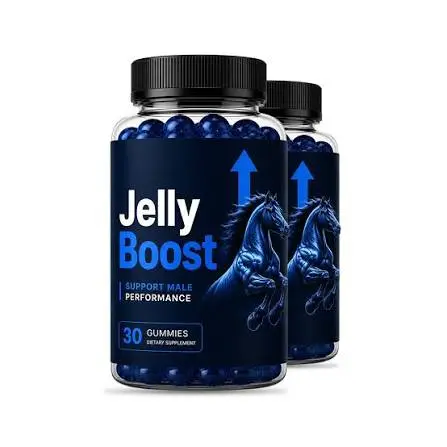
Jelly Boost Gummies are being promoted online as dietary supplements, but the marketing surrounding the name isn’t consistent. Some advertisements present Jelly Boost as a weight-loss product that can supposedly help with metabolism, fat burning or appetite control, while other versions focus heavily on male performance, libido, circulation and sexual stamina. In other words, depending on which advertisement you happen to see, Jelly Boost can look like a completely different kind of supplement.
That alone doesn’t prove that the product is fraudulent, because a company could theoretically sell different formulas under a similar name. The problem is that the advertising doesn’t give consumers a clear and reassuring picture of who is actually behind the product, what exact formula they’re purchasing and what evidence supports the claims being made. Instead, the marketing leans heavily on dramatic videos, testimonials and supposed celebrity or medical endorsements, which can make the product appear far more established than it actually is.
Why Is Jelly Boost Being Promoted for Weight Loss and Male Performance?
The Jelly Boost campaign appears to target two very different groups of consumers. People looking for an easier way to lose weight are shown claims about metabolism, fat loss and controlling cravings, while men searching for help with sexual performance are presented with promises involving libido, circulation, stamina and improved performance. Both approaches rely on the same basic idea: the viewer is supposed to believe that these gummies offer an easier, more natural solution to a problem that can otherwise be difficult or embarrassing to deal with.
I understand why this kind of advertising works. Someone struggling to lose weight may be tired of trying different diets, while a man dealing with sexual-performance concerns may not feel comfortable discussing the problem openly. A product that appears to have been recommended by a famous person or explained by a doctor can therefore feel much safer than an unfamiliar supplement discovered on a random website. Unfortunately, that is exactly why the fake endorsements surrounding Jelly Boost are so concerning.
The Celebrity Endorsements Are the Biggest Red Flag
The videos promoting Jelly Boost are designed to look convincing, with recognizable celebrities and public figures appearing to discuss the product as though they personally know about it or have recommended it. That can completely change how someone perceives an advertisement. Instead of thinking, “This is a random supplement company trying to sell me gummies,” the viewer starts thinking, “If this famous person is recommending it, maybe there really is something behind it.”
The problem is that the people being shown in these promotions did not genuinely endorse Jelly Boost. The campaign uses artificial intelligence and digitally manipulated material to create the appearance that famous people are discussing the product when they never actually made those statements. This is not the same thing as a celebrity appearing in a legitimate paid advertisement and being transparent about the sponsorship. It is an attempt to borrow somebody else’s reputation without their permission, and I consider that one of the clearest reasons to stay away from the offer.
How the Fake AI Videos Work
The technology behind these videos has become sophisticated enough that an ordinary viewer can easily miss the warning signs. Scammers can take existing footage of a celebrity, politician, doctor or television personality and manipulate the audio, facial movements and surrounding presentation to make it appear that the person is saying something completely different. They can then place that manipulated material inside what looks like a news report or interview and build an entire sales story around it.
Once the fake interview has been edited together, the viewer is usually taken through a long presentation explaining why the product supposedly works, followed by customer testimonials and a purchase offer. The presentation feels much more authoritative than an ordinary social-media advertisement because the viewer has already been shown someone familiar talking about the product. The trouble is that the credibility is manufactured. The celebrity didn’t create the recommendation, the doctor didn’t necessarily review the formula and the supposed interview isn’t evidence that the product has been clinically tested.
What About the Jelly Boost Weight Loss Claims?
The weight-loss side of the Jelly Boost marketing deserves the same level of skepticism. The advertisements make losing weight sound much simpler than it usually is, with the gummies being associated with things such as metabolism, appetite control and fat burning. That kind of promise is understandably attractive, especially to someone who has already tried diets, exercise plans or other supplements without getting the results they wanted.
There is nothing wrong with taking a supplement that provides useful nutrients, but a product making meaningful weight-loss claims needs more than a persuasive story. I would want to know exactly which ingredients are responsible for the claimed effect, what quantities are being used and whether there is good human research showing that the finished formula actually produces meaningful weight loss. A few testimonials showing someone supposedly looking thinner don’t answer those questions, and neither does a fake celebrity endorsement.
Does Jelly Boost Really Help With Male Performance?
The male-performance advertising is another reason I would be particularly cautious. Jelly Boost is presented in some promotions as something that can improve libido, stamina, circulation and sexual performance, which are exactly the kinds of promises that attract men who are looking for a quick and private solution to an embarrassing problem. Unfortunately, sexual-enhancement supplements are also a category where consumers have to be especially careful because products sold as “natural” have sometimes been found to contain undeclared pharmaceutical ingredients.
I have not found evidence showing that Jelly Boost itself has been identified by the FDA as containing hidden sildenafil, tadalafil or another prescription drug, so I would not make that accusation. What I would say is that the category deserves caution, particularly when the seller isn’t providing convincing information about the company, the manufacturing process and the evidence behind the finished product. If a supplement is genuinely capable of producing major improvements in sexual performance, I want to see something considerably stronger than a dramatic video and anonymous testimonials before I trust those claims.
Are the Jelly Boost Reviews Real?
This is another part of the campaign that I wouldn’t take at face value. There are glowing testimonials and supposed customer stories being used to make Jelly Boost look like something thousands of people have already tried successfully, but a testimonial is not independent evidence that a supplement works. Even when a review is written by a genuine customer, it represents one person’s experience and doesn’t establish that the same result will happen for everyone else.
The situation becomes even more questionable when the reviews appear alongside manipulated celebrity videos and other questionable promotional material. If the seller is willing to make a famous person appear to endorse a product when they never did, I have very little reason to assume that every other piece of marketing surrounding the same offer deserves automatic trust. That’s why I would be very careful with searches for Jelly Boost Gummies reviews that simply repeat the promises from the sales page without examining who is actually behind the product.
Why the Doctor Endorsement Is So Misleading
The appearance of a doctor in a supplement advertisement can be particularly persuasive because people naturally associate a medical professional with expertise and evidence. A person in a white coat explaining how a product supposedly affects metabolism, hormones or circulation can make a sales pitch feel almost like medical advice. Unfortunately, AI manipulation means that even a recognizable doctor’s face and voice can now be used without that person’s genuine involvement.
That is why I wouldn’t assume that a doctor shown in a Jelly Boost video actually reviewed the ingredients or conducted research on the product. If the endorsement were genuine, there should be some way to independently verify it through the doctor’s official website, professional profile or legitimate social-media account. A video hosted on a sales page isn’t enough, particularly when the same campaign is already using manipulated celebrity material.
Why I Don’t Trust the Jelly Boost Sales Pitch
The biggest issue for me is the combination of everything happening at once. You have dramatic weight-loss and male-performance claims, celebrity appearances that aren’t genuine endorsements, supposed doctors explaining the benefits, glowing testimonials and a sales presentation designed to make the product seem like a breakthrough that people are only just discovering. Each individual marketing technique might seem harmless on its own, but when they are combined, they create an extremely persuasive sales funnel.
A legitimate supplement company doesn’t need to manufacture credibility. It should be able to tell you exactly what you’re buying, who makes it, what the ingredients are, where the company is based and what evidence supports its claims. When the marketing spends more time showing famous people supposedly talking about the product than explaining the actual formula, that’s a sign that the seller is trying to convince you emotionally instead of giving you information you can properly evaluate.
Could Jelly Boost Be Dangerous?
I wouldn’t tell you that simply eating a Jelly Boost gummy is guaranteed to cause harm because there isn’t enough verified information for me to make that claim. What concerns me is the lack of confidence a consumer can have about exactly what they’re purchasing when the product is being promoted through questionable websites and deceptive advertising. You shouldn’t have to rely on a celebrity video to figure out whether a supplement is safe.
The FDA has repeatedly warned consumers about products marketed for sexual enhancement that contain hidden drug ingredients, including undeclared sildenafil and tadalafil. Those substances can interact dangerously with certain medications, particularly nitrate drugs used by people with heart conditions. Again, that doesn’t establish that Jelly Boost contains any of those ingredients, but it is one more reason I wouldn’t treat an unknown male-enhancement supplement as harmless simply because the advertisement calls it natural.
Don’t Confuse a Convincing Video With Proof
One thing I really want people to take away from this Jelly Boost investigation is that a convincing video is not evidence. The technology used to create fake endorsements has become good enough that people can watch a manipulated clip and genuinely believe they are hearing a real celebrity or doctor speak. The emotional reaction happens before the viewer has time to investigate, which is exactly what the scammers want.
Before buying any supplement promoted through one of these videos, I would completely ignore the celebrity story and look at the product itself. What are the ingredients? How much of each ingredient is included? Who manufactured it? Is there a real company behind the website? Can the supposed medical endorsement be verified independently? Is there legitimate clinical research on the actual product rather than research on an unrelated ingredient? Those questions are much more useful than watching another twenty minutes of a sales presentation.
Is Jelly Boost Gummies a Scam?
Based on the promotional campaign I investigated, I would treat the Jelly Boost offers circulating online as a scam and avoid purchasing them. The reason isn’t simply that the product makes ambitious health claims. The much bigger issue is that the marketing uses fake or AI-manipulated celebrity and doctor endorsements to make consumers believe respected public figures have recommended Jelly Boost when they have not.
I also wouldn’t trust positive Jelly Boost weight loss reviews or Jelly Boost male enhancement reviews simply because they appear on a sales page or inside one of the promotional videos. The entire purpose of those testimonials is to persuade you that other people have already achieved the results you’re looking for. When that persuasion is combined with fabricated endorsements, there is no good reason to assume that the testimonials provide reliable evidence of the product’s effectiveness.
What Should You Do If You Already Bought Jelly Boost?
If you already placed an order after watching one of these videos, don’t panic and don’t feel embarrassed about it. These scams are deliberately designed to look professional, and the use of familiar celebrities and supposed medical experts is intended to make even cautious people lower their guard. The important thing now is to act quickly rather than giving the seller more information or allowing additional charges to go unnoticed.
Contact your bank or credit-card company and explain that you believe you were deceived by a fraudulent online supplement offer. Ask whether the transaction can be disputed and keep copies of your order confirmation, emails, screenshots, website addresses and any other communication you received. If you believe you’ve been defrauded online, you can also submit a report to the FBI’s Internet Crime Complaint Center through IC3.gov.
What I Think
After looking beyond the advertising, I don’t see a good reason to trust the Jelly Boost campaign. The product is being attached to major claims about weight loss and male performance, yet the sales strategy depends heavily on fake-looking customer stories and AI-generated videos that make celebrities and doctors appear to endorse something they never actually endorsed. For me, that crosses the line from ordinary aggressive supplement marketing into deceptive advertising.
I’m also not convinced by the idea that Jelly Boost is some secret breakthrough that famous people and medical professionals are quietly recommending. That storyline is part of what makes the campaign work. Once you remove the celebrity faces, the dramatic testimonials and the supposedly exclusive discovery, you’re left with an unfamiliar supplement that needs to stand on its own. At that point, the lack of trustworthy product-specific evidence becomes much harder to overlook.
So if you’re searching “Is Jelly Boost Gummies legit?”, my answer is no, I would not trust the Jelly Boost offers currently being promoted through these scam advertisements. I wouldn’t purchase it because of the celebrity videos, I wouldn’t rely on the glowing reviews used in the sales presentations, and I certainly wouldn’t treat an AI-generated doctor endorsement as medical evidence.
Conclusion
If you’re struggling with weight, persistent sexual-performance problems or another health concern, it’s worth getting proper medical advice rather than allowing a deceptive supplement advertisement to make the decision for you. A real doctor can help determine what’s actually causing the problem, whereas a fake celebrity video can only sell you a story.
And that’s ultimately what bothered me most about Jelly Boost. The gummies aren’t even the most convincing part of the scam; the manufactured trust surrounding them is. When a seller has to put words into the mouths of celebrities and doctors to convince people to buy its product, that’s enough of a warning for me to walk away.
Check out the Frownies Patch I reviewed earlier.