
If you spend any time outdoors, whether you’re hiking, camping, or just hanging out in your backyard, you already know that ticks are a nightmare. And with Lyme disease and Alpha-gal syndrome (the meat allergy) on the rise, finding a solid tick repellent is non-negotiable.
Lately, I’ve been seeing ads everywhere for Pinemoor Tick Repellent Protection Drops. They market themselves as this revolutionary, natural oral tick repellent. The big claim? You take these drops internally, and they supposedly change your body’s natural scent so ticks “can’t recognize you as a host.” No sticky sprays, no chemical smell, no DEET.
It sounds amazing. But at nearly $45 a bottle, I had to look past the flashy marketing and find out if it actually works. Here is my honest review of it. Let’s break down what’s actually inside this stuff, what the science says, and whether you should spend your hard-earned money on it.
What Exactly are Pinemoor Tick Drops?
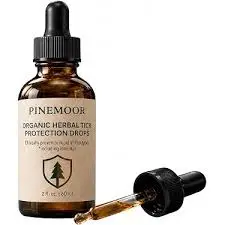
Pinemoor Tick Drops are an oral herbal blend. Instead of spraying something on your skin or clothes, you ingest the drops. According to the brand, the formula uses “clinically dosed” natural botanical ingredients to repel ticks from the inside out.
When you look at the actual ingredient list, it’s a mix of common herbs known for having insect-repelling properties when used in certain ways:
- Oregano extract
- Garlic extract
- Thyme
- Soursop root
- Pau D’Arco
- Carvacrol (a compound found in oregano)
On paper, these sound like great, healthy ingredients. But there’s a massive difference between an ingredient being “natural” and an ingredient being “clinically proven to stop a tick from biting you.”
The Reality Check: Does It Actually Work?
I really wanted to love the idea of an oral tick drop, but after doing some deep digging, a few major red flags popped up that you need to know before buying.
1. Where is the real science?
Pinemoor’s marketing uses a lot of scientific-sounding words like “clinically proven” to protect against tick-borne illnesses. But here is the catch: there are no published clinical trials on the finished product itself. While there is some general research showing that ticks don’t like the smell of garlic or oregano oil when applied topically, there is zero peer-reviewed data proving that swallowing these herbs changes your body odor enough to make you “invisible” to a starving tick in the woods.
2. The “Proprietary Blend” Guessing Game
The website talks a lot about “clinically dosed” ingredients, but they don’t actually disclose the exact milligrams of each herb in the formula. Without knowing the exact dosages, it’s impossible to compare it to actual scientific studies.
3. Read the Fine Print
While the sales page makes it sound like you can completely replace your regular bug spray, their own legal disclaimer tells a different story. The fine print explicitly states that the product is not intended to diagnose, treat, cure, or prevent any disease, and admits that tick exposure cannot be completely eliminated. They are covering themselves legally because they know they can’t guarantee you won’t get bitten.
4. Unverified Testimonials
The website is packed with 5-star reviews from people claiming they went an entire season without a single tick bite. But remember: those are hosted on their own sales page. Independent reviews across the web and YouTube tell a much more skeptical story.
Better, Proven Alternatives That Actually Work
When it comes to ticks, the stakes are too high to rely on unproven drops. If you want something that is scientifically backed and registered with the EPA (Environmental Protection Agency), here are the alternatives you should actually be using:
- Picaridin: This is my personal favorite. It’s a synthetic ingredient modeled after a compound found in black pepper plants. It doesn’t smell awful, it isn’t greasy, it won’t ruin your gear or plastic, and it is incredibly effective at repelling ticks and mosquitoes for hours.
- Permethrin (For Clothing): If you are going into heavy brush or deep woods, spray your boots, socks, and pants with Permethrin ahead of time. Let it dry. It doesn’t just repel ticks; it actually kills them on contact when they crawl on your clothes.
- DEET: The old reliable. While it can be greasy and has a strong smell, heavy-duty DEET (around 20-30%) is still clinically proven to keep ticks away.
- Oil of Lemon Eucalyptus (OLE): If you absolutely want a natural, plant-based alternative, look for an EPA-registered spray that uses Oil of Lemon Eucalyptus. Unlike oral drops, OLE applied to the skin has solid scientific backing showing it repels ticks for several hours.
Is Pinemoor a Scam?
I wouldn’t call it an outright scam, because the bottle does contain real herbs like oregano and garlic which are generally good for your wellness. But as a reliable, standalone tick repellent? I cannot recommend spending $45 on it.
The marketing claims simply go way beyond what the actual science supports. When you are dealing with pests that carry Lyme disease, you need something that works 100% of the time, not a wellness drop that might make you smell a little different.
Conclusion
Save your money, skip the oral drops, and buy a bottle of Picaridin spray and some Permethrin for your clothes instead. Your health (and your wallet) will thank you.
Check out the Frownies Patch I reviewed earlier.