
If you’ve been around machining for a while, you already know that not every “precision” tool lives up to the name. So when I started looking into the Precision Matthews KDCRS-13MT2, I wanted to see if it actually delivers where it matters, accuracy, consistency, and real-world usability, not just specs on paper.
This isn’t one of those beginner-friendly, plug-and-play tools. It’s clearly aimed at people who already know what they’re doing, whether that’s a serious hobbyist or someone running a small shop. So the question is simple: does it actually hold up under real work?
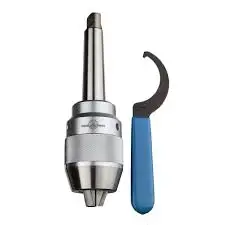
First Impressions & Build Quality
Right out of the gate, this thing feels solid. Not “light workshop tool” solid, more like “this is staying exactly where you put it” solid. The overall construction is heavy-duty, and that’s a good sign for stability, especially when you’re working on tighter tolerances.
The fit and finish are what you’d expect from Precision Matthews, clean, and everything feels properly assembled. It doesn’t give off that cheap, mass-produced vibe you sometimes get with lower-end machines.
Performance & Precision
This is where the KDCRS-13MT2 starts to justify itself. It’s built for precision work, and it shows when you actually start using it. The cuts feel controlled, movement is consistent, and you’re not constantly second-guessing your setup.
For more detailed or intricate work, that consistency matters a lot. You don’t want to fight the machine while trying to hit exact measurements, and with this one, you’re mostly focused on the work, not compensating for the tool.
That said, it’s not magic. You still need proper setup, calibration, and experience to get the most out of it. This isn’t going to fix bad technique, but it will reward good technique.
Versatility in Real Use
One thing I liked is how adaptable it feels. Whether you’re working on smaller, detailed pieces or stepping into heavier-duty tasks, it doesn’t feel out of its depth. It’s not limited to one type of job, which makes it more useful long-term.
If you’re the kind of person who takes on different projects rather than repeating the same job over and over, that flexibility actually matters more than people think.
Ease of Use
Let’s not sugarcoat it, this isn’t beginner-friendly. If you’re new to machining, there’s a learning curve, and it can feel a bit overwhelming at first.
But if you’ve got experience, it’s actually pretty straightforward. The controls make sense, the layout is logical, and once you dial it in, it becomes a reliable part of your workflow.
So it’s not difficult, it just expects you to know what you’re doing.
What Could Be Better
No machine is perfect, and this one has a few things worth mentioning. Setup can take some time, especially if you’re trying to get everything perfectly aligned. It’s not a quick out-of-the-box process.
Also, depending on your workspace, the size and weight might be something to plan around. This isn’t a “move it around when needed” kind of tool.
Is It Worth It?
If you’re serious about machining, whether professionally or as a dedicated hobby, then yeah, the Precision Matthews KDCRS-13MT2 makes sense. It’s reliable, precise, and built to handle real work without constant adjustments or frustration.
But if you’re just starting out or only doing occasional light projects, this might be more machine than you actually need.
Conclusion
The KDCRS-13MT2 isn’t trying to be flashy, it’s built to perform. And in that sense, it does exactly what it’s supposed to do. Solid construction, consistent precision, and enough versatility to handle a range of projects without feeling limited.
It’s the kind of tool that doesn’t get in your way, and in machining, that’s probably the biggest compliment you can give.
Check out the Frownies Patch I reviewed earlier.