
I can see why the SlimSoda advertisement would catch someone’s attention. The whole thing is built around a story that sounds much more believable than an ordinary supplement ad. There is Oprah Winfrey supposedly talking about a simple baking soda weight-loss trick, Dr. Ania Jastreboff appearing to explain the science behind it, and a promise that an inexpensive drink can somehow help people lose weight without the usual struggle. When I first came across the campaign, I wanted to know whether there was actually a legitimate product behind all of this or whether the “baking soda water shot” was simply another way of getting people onto a supplement sales page.
After looking into the claims and the videos being circulated, I would stay away from SlimSoda. The biggest problem isn’t simply that the product makes ambitious weight-loss claims. The advertising uses fake or AI-manipulated videos of people who never endorsed SlimSoda, including Oprah Winfrey and obesity medicine specialist Dr. Ania Jastreboff. The supposed baking soda recipe is then used to lead viewers toward a supplement purchase, which is where the story starts looking much less like a health discovery and much more like a carefully constructed sales funnel.
What Is SlimSoda?
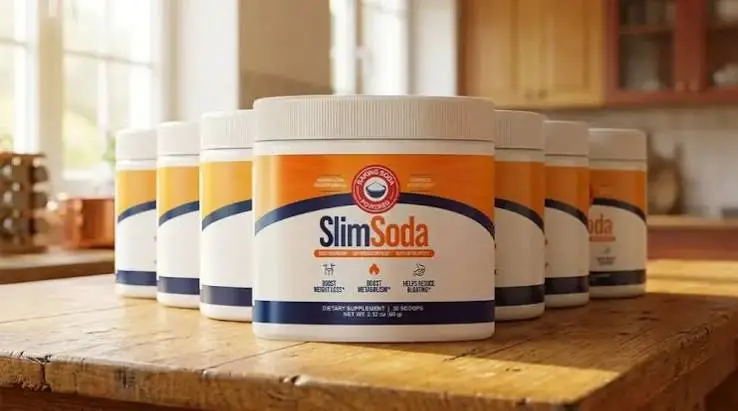
SlimSoda is being promoted online as a weight-loss supplement connected to the viral “baking soda water shot” trend. Depending on the advertisement, the offer may be presented as capsules, powder, packets or another form of supplement, with the marketing suggesting that the real secret to losing weight is a simple drink made with baking soda and other ingredients.
The interesting part is that the homemade drink is what gets people interested in the first place. The advertisement spends a great deal of time building suspense around the supposed recipe, often presenting it as a little-known discovery that doctors and celebrities have been keeping quiet about. Once the viewer is invested in the story, the presentation eventually moves toward a product that can supposedly provide the same benefits.
That is not how a genuine medical breakthrough would normally be presented. You would expect to find identifiable research, a real doctor standing behind the claim and independent evidence supporting the treatment. Instead, this campaign relies heavily on dramatic videos, celebrity imagery and promises of unusually easy weight loss.
The Baking Soda Water Shot Is Part of the Sales Pitch
The baking soda story is clever because it sounds so simple. You don’t need an expensive gym membership, a complicated diet or some mysterious prescription. According to the videos, you supposedly need a small amount of baking soda mixed into a drink and taken as a “shot.”
The presentation then starts bringing in scientific-sounding explanations about metabolism and weight-loss hormones, which can make the idea sound more credible to someone who isn’t familiar with how these systems actually work. In several versions of the campaign, the viewer is teased with the promise of a secret ingredient, only to discover that the video eventually leads to a supplement offer instead of giving them some revolutionary recipe.
Reports examining the campaign have identified this pattern as part of a broader baking soda weight-loss scam using fabricated celebrity and medical endorsements.
There is also no good evidence that drinking baking soda produces the dramatic fat-burning effect being promised in these advertisements. Baking soda is not a substitute for proven weight-management treatments, and the fact that an ingredient is inexpensive and familiar does not make it a scientifically established weight-loss method.
That is why I would be particularly skeptical of any SlimSoda advertisement that makes it sound as though you have discovered a hidden medical secret that the weight-loss industry doesn’t want you to know about.
Oprah Winfrey Did Not Endorse SlimSoda
The use of Oprah’s name is one of the most obvious reasons people may assume this product is legitimate.
Oprah has been associated with weight-loss discussions for years, so seeing a video that appears to show her discussing a new weight-loss method can immediately make the story seem familiar. The problem is that the videos circulating with this campaign are not genuine Oprah endorsements. The footage has been manipulated or generated with AI to make it appear that she is discussing the baking soda method and the product being sold.
That means someone watching the video may genuinely believe they have seen Oprah recommend SlimSoda when, in reality, she never made that recommendation.
This isn’t a small detail buried somewhere in the advertisement. Her apparent endorsement is being used to create trust before the viewer is presented with the supplement offer, which is exactly why these fake videos are so effective.
Dr. Ania Jastreboff Is Not Behind SlimSoda
The same problem applies to Dr. Ania Jastreboff.
Dr. Jastreboff is a real physician and researcher known for her work in obesity medicine, so putting her face and name into a weight-loss advertisement gives the product an appearance of medical credibility. The videos make it look as though she is explaining the baking soda trick and supporting the claims being made about weight loss.
She did not endorse SlimSoda or create a secret baking soda water shot for people trying to lose weight. The versions of these advertisements examined online use AI-generated or manipulated material to make it appear that she is participating in the promotion.
That is particularly troubling because a viewer may not realize they are watching fabricated content. The video can look polished enough that there is little reason for someone unfamiliar with AI-generated media to question it, especially when the person appearing on screen is a real doctor with genuine credentials.
Why the Video Looks So Real
This is one of the things that makes the SlimSoda campaign more concerning than the old-fashioned supplement advertisements that used obviously fake celebrity photographs.
AI has made it possible to take real footage of a public figure and manipulate the face, mouth movements or voice so that the person appears to say something they never actually said. The finished video can then be edited into a fake interview, television segment or news-style presentation.
The result is designed to make the viewer think they are watching evidence rather than advertising.
The baking soda campaigns have used this approach with both Oprah and Dr. Jastreboff, creating the impression that a celebrity and a medical expert are independently telling the same story. Once those two names appear together, the supplement at the end of the advertisement can seem far more credible than it would if an unknown person were simply telling you to buy some pills.
This is also why I wouldn’t judge an online health advertisement by how professional the video looks. A polished production doesn’t prove that the people in it actually participated.
Does SlimSoda Actually Help With Weight Loss?
I wouldn’t buy SlimSoda expecting it to produce the dramatic weight loss shown in the advertisements.
The entire marketing campaign depends heavily on the idea that baking soda can unlock some previously hidden fat-burning mechanism, but that claim isn’t supported by reliable evidence. There is no established baking soda recipe that suddenly causes substantial weight loss, and adding a supplement to the story doesn’t change that.
The use of words such as metabolism, hormones and fat burning can make the presentation sound scientific, but scientific terminology by itself isn’t evidence. The question is whether there are credible clinical studies showing that the actual SlimSoda product produces the results being advertised. The campaign doesn’t provide the kind of independent evidence that would justify the extraordinary promises being made.
For me, that’s enough reason to leave the product alone.
The Supplement Is Not the Same Thing as the Recipe
This is another part of the campaign that I think people should understand before clicking the order button.
The advertisement gets your attention with the idea that you can make a cheap drink at home. That sounds completely different from buying an expensive bottle of weight-loss capsules. Someone may watch the first several minutes thinking they are about to learn a recipe, only to find themselves at a checkout page for a supplement.
The transition is easy to miss because the entire presentation has been built around the same story. The viewer is led to believe that the supplement contains the secret behind the supposedly revolutionary baking soda method, even though the evidence for the underlying weight-loss claim isn’t there.
This type of bait-and-switch approach has appeared in other versions of the same baking soda weight-loss campaign, with different supplement names being placed at the end of essentially the same story.
Watch the Price After You Order
The fake celebrity endorsement is bad enough, but there can be another problem once someone decides to buy.
Weight-loss supplement sales funnels like this one can use discounted introductory offers to get the first order. Once the customer has entered their card information, they may encounter additional offers for more bottles or other products. Some consumers have also reported unexpected recurring charges with similar supplement schemes.
This is why I wouldn’t assume the price displayed at the beginning of the sales video is necessarily what you’ll end up paying. Before submitting an order, look carefully at the checkout page for subscription language, recurring billing, additional products and the company’s refund terms.
If the salesperson calls after you order and starts telling you that you need a larger package to get the promised results, I would be equally cautious about that conversation. You bought what you originally intended to buy; you don’t have to let someone talk you into spending more money because they suddenly claim your first order isn’t enough.
What About the Money-Back Guarantee?
A money-back guarantee can make a supplement offer feel safer than it really is.
The problem is that a guarantee is only useful if you can actually obtain the refund under the company’s terms. With questionable supplement funnels, customers can discover that the refund process involves specific deadlines, return requirements or other conditions that weren’t particularly obvious when they placed the order.
Some buyers also report being offered partial refunds instead of receiving the full amount they expected.
So I wouldn’t use the presence of a “money-back guarantee” as the reason to trust SlimSoda. If the product is being sold through misleading celebrity videos in the first place, the guarantee doesn’t fix the underlying problem.
I Already Bought SlimSoda. What Should I Do?
If you purchased SlimSoda because you genuinely believed Oprah or Dr. Jastreboff had recommended it, I wouldn’t feel embarrassed about falling for the advertisement. These videos are deliberately designed to look convincing, and the people behind them understand that a familiar face can make an unfamiliar product seem trustworthy.
Start by checking your bank or credit card statement to see exactly what you were charged. Look for additional transactions or recurring charges that you didn’t expect, particularly if you only intended to make a one-time purchase.
Save the order confirmation, emails, screenshots of the advertisement and any messages you received from the seller. If you believe the charge was misleading or unauthorized, contact your bank or credit card company and explain what happened. Having the original advertisement and transaction details available can make it much easier to explain why you’re disputing the purchase.
If you’re in the United States and believe you were defrauded through an online scam, you can also report the incident to the FBI’s Internet Crime Complaint Center.
Is SlimSoda Legit or a Scam?
After looking at the way SlimSoda is being promoted, I would not consider it a legitimate weight-loss solution.
The product is being sold through a campaign that uses fabricated AI videos of Oprah Winfrey and Dr. Ania Jastreboff, neither of whom endorsed SlimSoda or the supposed baking soda weight-loss method. The “baking soda water shot” is used to create curiosity and give the sales pitch a medical-sounding story, while the viewer is eventually directed toward a supplement purchase.
The weight-loss claims themselves aren’t supported by convincing evidence, and the potential for upselling, recurring charges and refund problems gives buyers even more reason to be careful.
That combination is enough for me to say stay away from SlimSoda rather than spending money to find out whether the promises are true.
My SlimSoda Review Verdict
The more I looked into SlimSoda, the less it looked like a genuine breakthrough and the more it looked like a modern supplement scam built around AI.
The formula isn’t really the star of the advertisement. The story is.
First you get the celebrity. Then you get the doctor. Then you hear about a supposedly forgotten baking soda recipe that can melt fat and change your metabolism. By the time the supplement appears, the viewer has already been given a complete reason to believe that something important has been discovered.
Except the people being used to tell that story never actually endorsed it.
Oprah Winfrey did not endorse SlimSoda. Dr. Ania Jastreboff did not endorse SlimSoda. There is no legitimate secret baking soda water shot that has been proven to deliver the dramatic weight loss promised in these videos. The apparent endorsements are being manufactured with AI and manipulated footage to make a supplement sales pitch look like genuine medical and celebrity advice.
Conclusion
So if you searched “SlimSoda reviews,” I would say save your money.
The biggest lesson here isn’t just about SlimSoda. It’s about how convincing online scams have become. A real celebrity face, a real doctor’s name and a professional-looking video can all be used to sell something those people have never touched, tested or endorsed. When a weight-loss product needs a fake Oprah video and a fabricated doctor’s recommendation to convince you to buy it, that’s a very good reason to close the page rather than reach for your credit card.
Check out the Beplain Cleansing Oil that I reviewed earlier.